What Happened on the Kharsawan Firing Anniversary?
Synopsis
January 1 marks a day of profound grief in Kharsawan, Jharkhand, recalling the tragic events of 1948 when police fired on tribal protesters. Chief Minister Hemant Soren announced a judicial panel to honor the martyrs of that day, a somber reminder of the sacrifices made for justice and autonomy in the region.
Key Takeaways
January 1 is both New Year’s Day and Martyrs’ Day in Jharkhand.
The Kharsawan firing occurred in 1948 during a protest for tribal rights.
Chief Minister Hemant Soren announced a judicial inquiry to honor the martyrs.
Tribal communities continue to seek recognition and justice.
The exact death toll from the incident remains unknown.
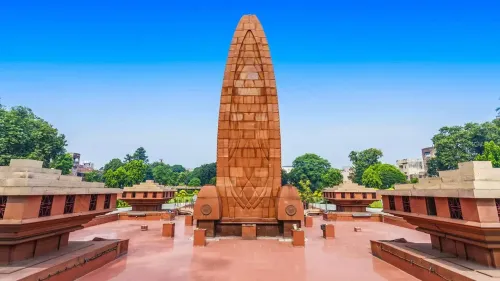
Ranchi, Jan 1 (NationPress) While January 1 is recognized globally as the start of a new year, for the people of Jharkhand's Kharsawan, this date signifies deep sorrow and valor. On this day, exactly seventy-seven years ago, in 1948, shortly after India gained independence, the ground of Kharsawan was stained with the blood of tribal demonstrators during a heinous police firing, an event frequently likened to the Jallianwala Bagh massacre.
On that tragic day, thousands of tribal individuals assembled to protest against the proposed merger of the princely states of Kharsawan and Seraikela with the then Orissa. This rally was ignited by the demand for a separate state and was met with ruthless police gunfire, resulting in numerous fatalities.
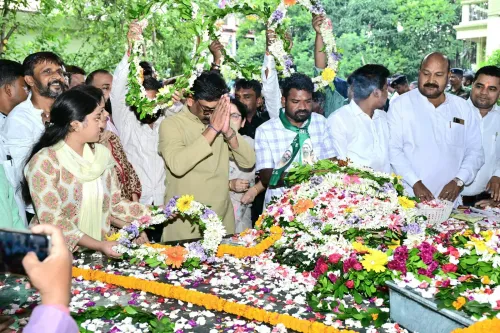
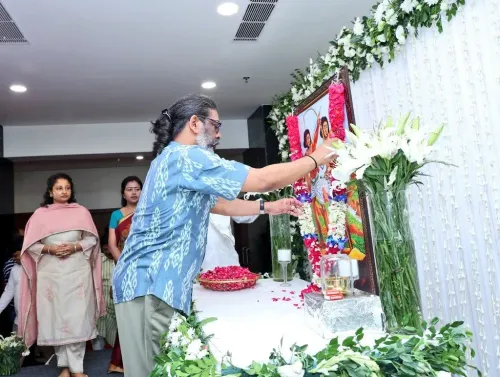
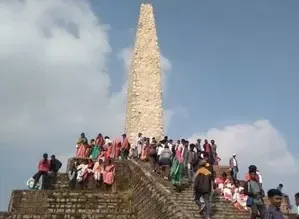
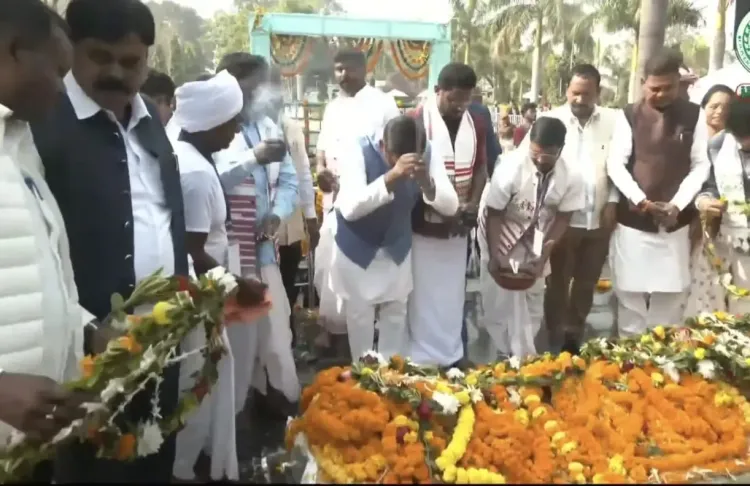
As is tradition, many individuals gathered at the Martyrs’ Memorial in Kharsawan on Thursday to pay their respects to those who sacrificed their lives.
Jharkhand's Chief Minister Hemant Soren, along with former Chief Minister Arjun Munda, Minister Deepak Birua, Singhbhum MP Joba Majhi, Chakradharpur MLA Sukhram Oraon, Kharsawan MLA Dashrath Gagrai, and Ichagarh MLA Sabita Mahato, were among the dignitaries who visited the memorial on Thursday morning to offer floral tributes.
The Chief Minister declared the establishment of a judicial panel to identify and honor those who lost their lives during the massacre.
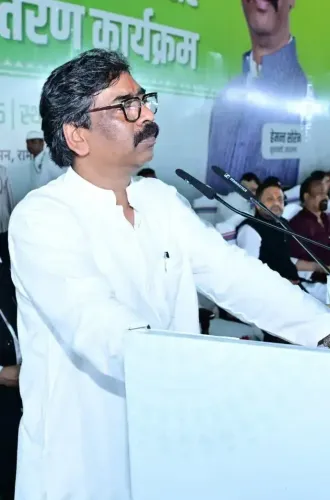
After paying his respects, Soren stated: "Today is both Martyrs’ Day and the first day of the year. For the world, it is New Year’s Day—a celebratory occasion. However, for the tribals, indigenous communities, farmers, and laborers of Jharkhand, January 1 serves as Martyrs’ Day. Jharkhand is rich in a history of sacrifice; perhaps no other state has witnessed so many martyrs."
He added, "A draft has been prepared for this purpose. A judicial inquiry commission will be established, comprising retired judges. The martyrs of this incident will be honored prior to the next Martyrs’ Day."
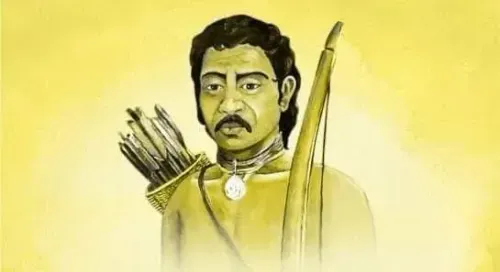
The firing incident was associated with the reorganization of princely states following independence. The proposal to merge Kharsawan and Seraikela with Orissa faced fierce resistance from local tribal populations, who instead called for the establishment of a separate state. A substantial public meeting was convened at the Kharsawan Haat ground on January 1, 1948, under the leadership of the esteemed tribal figure Marang Gomke Jaipal Singh Munda.
Tribal activists from various regions, including Jamshedpur, Ranchi, Chaibasa, Simdega, Khunti, and Tamar, gathered in Kharsawan to participate in the meeting. Unfortunately, Jaipal Singh Munda could not reach the venue for undisclosed reasons.
Ultimately, the assembly decided to advance towards the Kharsawan royal palace to present their demands to the king. In anticipation of potential unrest, the Orissa government had deployed an extensive police presence.
As the crowd approached the palace, police issued warnings for them to halt. When these warnings were disregarded, the police opened fire indiscriminately on the unarmed demonstrators.
The Kharsawan firing is remembered as one of the most brutal instances of oppression in the history of India’s tribal movements.
In a speech delivered on January 11, 1948, Jaipal Singh Munda recounted the horrifying scene, with bodies scattered across the Kharsawan market area, while the injured cried for assistance and water.
He claimed that the administration sealed off the area, preventing entry or exit, and by evening, bodies were loaded onto trucks and disposed of in nearby forests and rivers.
Even after over seventy years, the precise number of casualties from the firing remains unknown. The report from the tribunal formed to investigate the massacre has yet to be made public.
Point of View
The events of January 1, 1948, serve as a crucial reminder of the ongoing struggles faced by indigenous communities in India. It’s essential for government and society to acknowledge these sacrifices and ensure that the voices of marginalized populations are heard and respected. The establishment of a judicial panel is a positive step toward addressing historical injustices and honoring the legacy of the martyrs.
NationPress
20 Sept 2026
Frequently Asked Questions
What happened on January 1, 1948, in Kharsawan?
On January 1, 1948, police opened fire on tribal protesters in Kharsawan, resulting in numerous deaths. The incident is often compared to the Jallianwala Bagh massacre.
Who announced the judicial panel to honor the martyrs?
Jharkhand Chief Minister Hemant Soren announced the formation of a judicial panel to identify and honor the martyrs of the Kharsawan firing.
Why were the tribal protesters gathered in Kharsawan?
The tribal protesters gathered to oppose the proposal to merge Kharsawan and Seraikela with Orissa and demand a separate state.
What is the significance of January 1 for the people of Jharkhand?
For the people of Jharkhand, January 1 is observed as Martyrs’ Day, commemorating the sacrifices made by tribal communities in their fight for justice.
Is the exact number of casualties from the Kharsawan firing known?
No, even after more than seventy years, the exact number of casualties from the Kharsawan firing remains unknown.