Ashok Dham stampede: Prashant Kishor visits Lakhisarai, demands officer accountability
Synopsis
Seven people died and over a dozen were injured in the Ashok Dham temple stampede during Sawan in Lakhisarai — and Prashant Kishor's visit on Tuesday has turned the heat on Bihar's administration. His core charge: the government is trying to buy its way out with ₹4 lakh compensation while no senior official faces accountability for the crowd management failure.
Key Takeaways
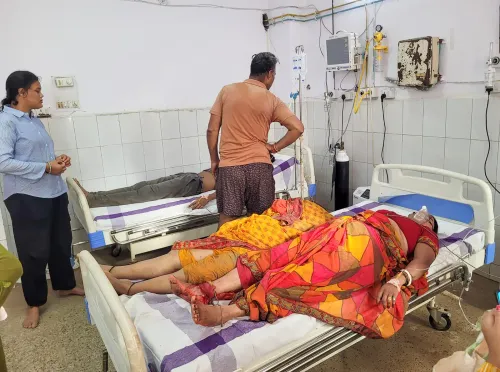
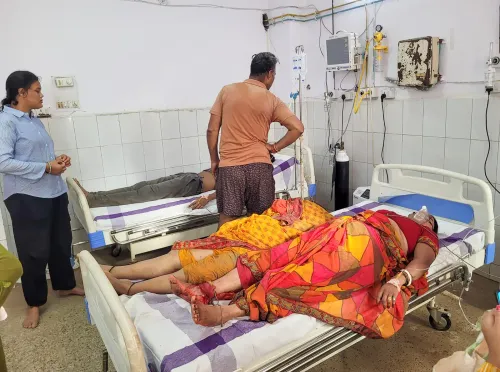
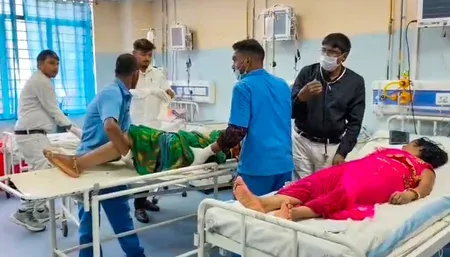
Seven people died and over a dozen were injured in the Ashok Dham temple stampede in Lakhisarai, Bihar on the third Monday of Sawan.
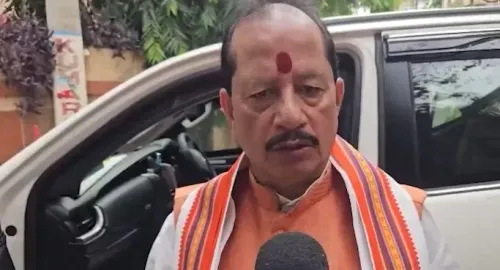
Prashant Kishor , Jan Suraaj convener and Bankipur MLA, visited Lakhisarai Sadar Hospital and Pratappur village on Tuesday to meet survivors and bereaved families.
Kishor criticised the Bihar government for prioritising ₹4 lakh ex-gratia payments over officer accountability.
He demanded clarity on the enquiry ordered by the Commissioner and DIG — including which officer is conducting it and what its scope covers.
No senior official had been held accountable as of Kishor's visit, according to his statement.
Jan Suraaj convener and Bankipur MLA Prashant Kishor travelled to Lakhisarai in Bihar on Tuesday, 19 August, to meet survivors and bereaved families following the deadly stampede at the Ashok Dham temple that killed seven people and injured over a dozen on the third Monday of Sawan. Kishor's visit has sharpened political pressure on the Bihar government and district administration to move beyond compensation and fix accountability.
Kishor Meets Injured, Bereaved Families
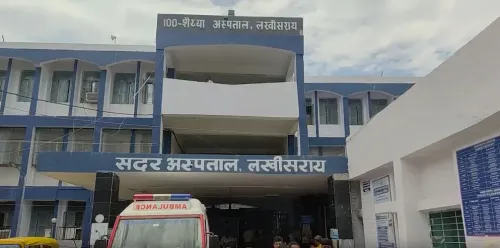
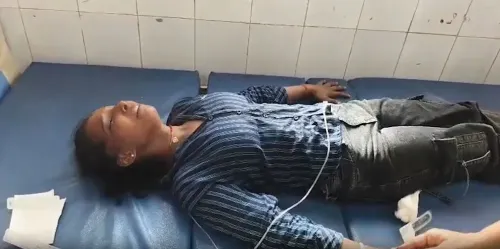
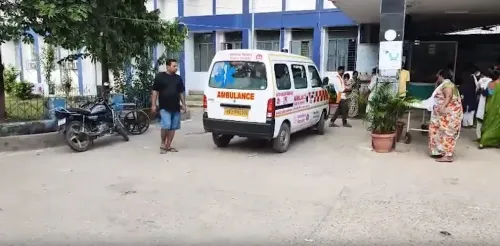
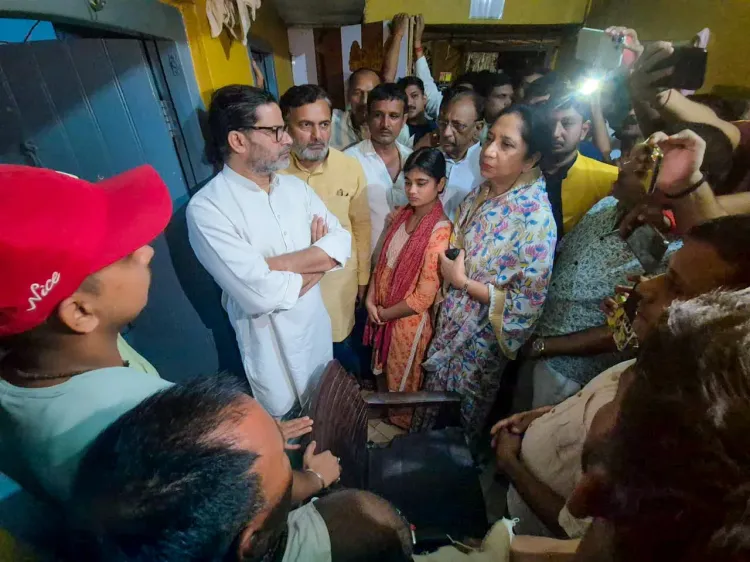
Kishor first stopped at Lakhisarai Sadar Hospital, where he spoke with patients injured in the tragedy, enquired about their health and the treatment being administered, and wished them a speedy recovery. He subsequently drove to Pratappur village in Halsi block, where he met the families of three women who died in the incident, offered his condolences, and assured them of all possible assistance.
Several Jan Suraaj leaders and party workers accompanied him, including Ravishankar Prasad Singh and Zila Parishad member Amit Sagar, along with local residents.
Sharp Criticism of Bihar Government
After the visits, Kishor levelled pointed criticism at the state government and the district administration. He alleged that despite the gravity of the tragedy, no senior official had yet been held accountable. He claimed the administration appeared focused on settling the matter through financial compensation rather than determining responsibility.
Kishor questioned the practice of disbursing ₹4 lakh in ex-gratia payments, arguing that monetary relief cannot substitute for accountability when lives have been lost. He also noted that visits by elected representatives and ministers to affected families, while symbolically important, were insufficient without concrete administrative follow-through.
Demands Clarity on Enquiry
Kishor also raised concerns about the scope and transparency of the investigation ordered after the stampede. He acknowledged that the Commissioner and DIG had visited Lakhisarai and directed an enquiry, but said there was insufficient clarity about which officer was conducting it and what specific aspects were under examination.
He demanded that the enquiry establish who was responsible for the incident — including whether there were administrative or security lapses, which officials bore responsibility for any negligence, and what action should follow against those found culpable.
Political Dimension to Accountability Demands
Kishor's intervention has added a political dimension to what was already a sensitive law-and-order failure. This is not an isolated pattern — crowding-related tragedies at religious gatherings in Bihar and elsewhere have repeatedly exposed gaps in crowd management and pre-event safety audits. Critics argue that the cycle of compensation followed by inconclusive enquiries has done little to prevent recurrence.
With the enquiry's scope still unclear, the families of the seven victims and the injured are waiting to see whether administrative action will follow the political noise.
Point of View
But the underlying demand is legitimate. Bihar has seen a recurring pattern of post-tragedy compensation announcements followed by enquiries that rarely name and punish negligent officials. The ₹4 lakh ex-gratia figure is now almost a template response — one that sidesteps the harder question of why crowd management failed at a major religious site during a predictably high-footfall Sawan Monday. Until enquiries produce named accountability rather than administrative reshuffles, the incentive structure for officials changes nothing.
NationPress
2 Oct 2026
Frequently Asked Questions
What happened at the Ashok Dham temple in Lakhisarai?
A stampede at the Ashok Dham temple in Lakhisarai, Bihar, on the third Monday of Sawan killed seven people and injured over a dozen. The incident occurred during a period of high religious footfall associated with the Sawan festival.
Why did Prashant Kishor visit Lakhisarai?
Prashant Kishor, Jan Suraaj convener and Bankipur MLA, visited Lakhisarai on Tuesday to meet stampede survivors at Lakhisarai Sadar Hospital and the families of three women who died in Pratappur village. He also used the visit to publicly demand accountability from the Bihar government and district administration.
What is Kishor's main demand regarding the stampede?
Kishor has demanded that the enquiry ordered after the stampede clearly establish which officials were responsible for administrative or security lapses, and that concrete action be taken against those found culpable. He argued that paying ₹4 lakh in compensation cannot replace accountability for the loss of lives.
What is the status of the enquiry into the stampede?
The Commissioner and DIG visited Lakhisarai and directed an enquiry after the incident. However, Kishor said there was insufficient clarity about which officer is conducting the investigation and what specific aspects are being examined.
Who accompanied Prashant Kishor during the visit?
Several Jan Suraaj leaders and party workers accompanied Kishor, including Ravishankar Prasad Singh and Zila Parishad member Amit Sagar, along with local residents.