Christine Lagarde resigns as ECB President, steps down 7 February 2027
Synopsis
Christine Lagarde is walking away from the ECB seven months early — and the timing is unmistakably political. With France heading to elections and three top ECB positions falling vacant simultaneously, Europe faces its most consequential central bank transition in years. The next president will inherit a delicate easing cycle and a continent under political stress.
Key Takeaways
Christine Lagarde will resign as ECB President on 7 February 2027 , seven months before her term's formal expiry.
She notified Governing Council and European Council President Antonio Costa on 29 October 2026 .
Her successor will be appointed under Article 283 of the Treaty on the Functioning of the European Union .
Former governors Klaas Knot (Netherlands) and Pablo Hernandez de Cos (Spain) are considered frontrunners.
The ECB simultaneously faces vacancies from Isabel Schnabel (January) and chief economist Philip Lane (May).
Lagarde, 70 , is a former French Finance Minister and IMF chief; her early exit is widely linked to plans for a role in French politics .
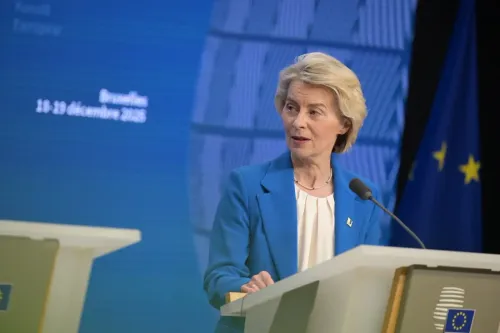
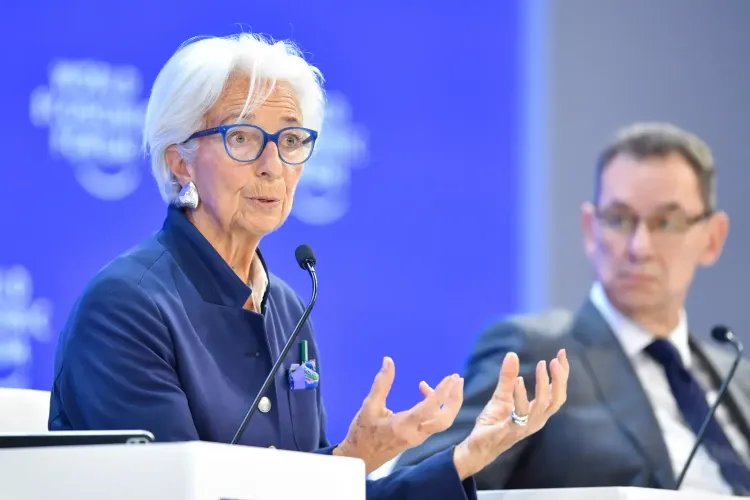
European Central Bank (ECB) President Christine Lagarde on Thursday, 29 October 2026 formally notified the Governing Council and European Council President Antonio Costa that she will resign from her post on 7 February 2027 — seven months before her term was formally due to expire. The announcement marks an abrupt, if widely speculated, end to one of the most turbulent chapters in ECB history.
The Resignation and What Lagarde Said
In a video statement posted on social media, Lagarde said: 'I leave this institution with a sense of good work done and an ECB that is fit for the future.' The Governing Council responded with a long-standing ovation and issued warm thanks, according to a press statement from the bank. European Council President Costa confirmed that the search for a successor would begin immediately.
The Succession Process
Lagarde's replacement will be appointed by the European Council through the nomination process set out in Article 283 of the Treaty on the Functioning of the European Union. The appointment is expected to be coordinated with other senior ECB vacancies: executive board member Isabel Schnabel departs in early January, and chief economist Philip Lane exits in May. The simultaneous turnover of three top positions represents an unusual leadership transition for the institution.
Who Could Replace Lagarde
Former central bank governors Klaas Knot of the Netherlands and Pablo Hernandez de Cos of Spain are widely regarded as frontrunners for the ECB's top post, according to reports. Both bring deep monetary policy credentials and are seen as credible candidates within the bloc's consensus-driven selection framework.
The French Politics Angle
Lagarde's early exit is widely seen by observers as linked to political developments in her home country, France, which is heading toward elections. Lagarde, 70, has explicitly ruled out a candidacy for the French presidency but said she intends to advocate for pro-European values in France 'in whichever capacity' she deems most efficient — a formulation that leaves her future role deliberately ambiguous. As ECB President, she was constitutionally barred from political activity in any member state, making her current post incompatible with any active domestic role. This comes amid heightened political uncertainty across Europe, with centrist pro-EU coalitions under pressure from nationalist and populist movements.
Lagarde's Record at the ECB
A former French Finance Minister and former head of the International Monetary Fund (IMF), Lagarde took the ECB's helm in November 2019. Her tenure encompassed the economic shock of the Covid-19 pandemic, a historic surge in euro-zone inflation, and an aggressive rate-hiking cycle — one of the sharpest in the ECB's history — followed by an easing pivot as price pressures receded. Her communications style, which prioritised narrative clarity over technical opacity, drew both praise and criticism from markets and peer central banks. Notably, she is the first woman to have led both the IMF and the ECB.
Point of View
And losing its president, a chief economist, and an executive board member within months of each other introduces communication and policy continuity risks the bloc can ill afford. The succession race will also double as a proxy battle between Europe's northern hawks and southern doves — a fault line that never fully closed.
NationPress
29 Oct 2026
Frequently Asked Questions
Why is Christine Lagarde resigning as ECB President?
Lagarde is stepping down seven months before her term ends, with observers widely linking her early exit to a desire to play a role in the politics of her home country, France, which is heading toward elections. As ECB President she was barred from political activity in any member state, making resignation a prerequisite for any domestic role. She has ruled out a run for the French presidency but said she would advocate for pro-European values 'in whichever capacity' she deemed most efficient.
When does Lagarde officially leave the ECB?
Lagarde's resignation takes effect on 7 February 2027. She informed the Governing Council and European Council President Antonio Costa of her decision on 29 October 2026.
Who is likely to replace Christine Lagarde at the ECB?
Former central bank governors Klaas Knot of the Netherlands and Pablo Hernandez de Cos of Spain are widely seen as frontrunners. The appointment will be made by the European Council following the process set out in Article 283 of the Treaty on the Functioning of the European Union, and the search began immediately after Lagarde's announcement.
What other ECB leadership changes are expected alongside Lagarde's departure?
The ECB faces a significant leadership transition, with executive board member Isabel Schnabel departing in early January and chief economist Philip Lane leaving in May. The simultaneous vacancy of three senior posts is unusual for the institution and is expected to shape the succession timeline.
What is Christine Lagarde's background and legacy at the ECB?
Lagarde, 70, is a former French Finance Minister and former head of the International Monetary Fund, making her the first woman to have led both institutions. Her ECB tenure from November 2019 spanned the Covid-19 economic shock, a historic euro-zone inflation surge, and one of the ECB's sharpest-ever rate-hiking cycles, followed by an easing pivot.