Lavrov Highlights Miscalculation by US and Israel on Iran Military Action
Synopsis
Russian Foreign Minister Sergei Lavrov asserts that the US and Israel may have greatly miscalculated the feasibility of a rapid military campaign against Iran, emphasizing the need for renewed negotiations and caution against civilian harm.
Key Takeaways
Misjudgments by the US and Israel: Lavrov argues they overestimated the speed of potential military operations against Iran.
Call for Diplomacy: Russia advocates for immediate cessation of hostilities and a return to negotiations.
Nuclear Non-Proliferation Concerns: Recent military actions have undermined the credibility of the Treaty on Non-Proliferation.
Strategic Stability Risks: Increasing militarization of space poses threats to global stability.
Potential US Military Actions: Consideration of deploying special operations forces in Iran to secure uranium supplies.
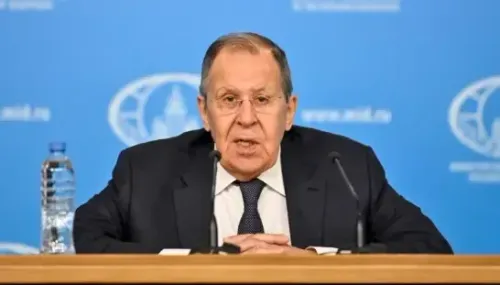
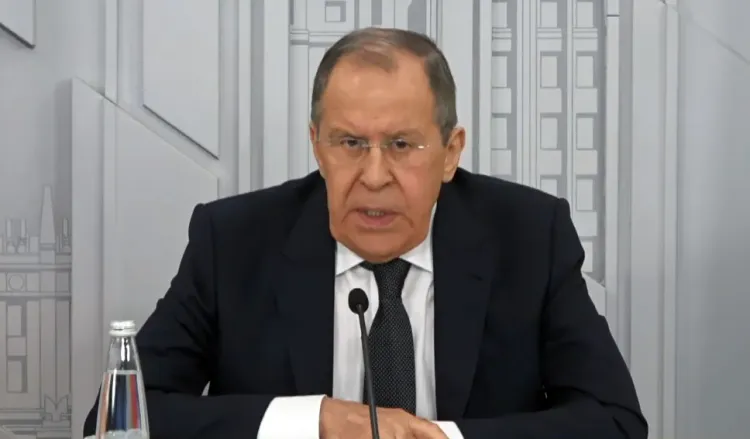
Moscow, March 16 (NationPress) Russian Foreign Minister Sergei Lavrov stated on Monday that both the United States and Israel might have overestimated the likelihood of a swift military operation against Iran.
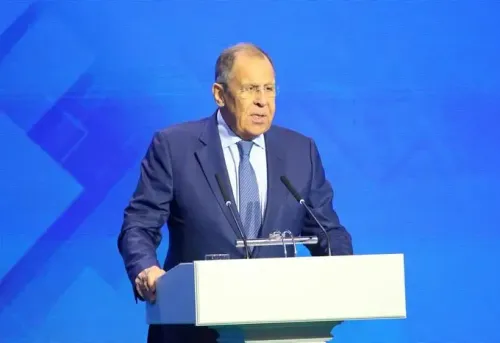
Lavrov explained that the conflict emerged during discussions concerning Iran's nuclear program. If the strategists anticipated they could "completely dominate" Iran within a day or even mere hours, they are likely to recognize the error in that belief, as he mentioned during a press conference.
Reiterating Russia's demand for an immediate halt to hostilities, Lavrov called on all involved parties to resume negotiations and refrain from actions that could harm civilian infrastructure and result in civilian casualties.
He also expressed Russia's willingness to serve as a mediator in the political dialogue if required.
Additionally, Lavrov highlighted concerns regarding the future of the nuclear non-proliferation framework amidst rising geopolitical tensions in the Middle East.
During his address at the Moscow Nonproliferation Conference, he noted that the recent military actions by the United States and Israel targeting Iranian facilities, which are under the supervision of the International Atomic Energy Agency, have significantly undermined the credibility of the Treaty on the Non-Proliferation of Nuclear Weapons.
Such military interventions have diminished the trust in diplomacy as a means of conflict resolution, Lavrov stated, suggesting that some nations may increasingly consider nuclear weapons as a security guarantee.
He emphasized the necessity of maintaining the treaty as a fundamental component of global strategic stability and urged all signatories, especially those with nuclear capabilities, to adhere to their commitments.
Furthermore, Lavrov pointed out that the militarization of outer space is becoming a greater risk due to "destructive actions by the United States and its allies," as reported by Xinhua news agency.
He remarked that the implementation of the US "Golden Dome" missile defense system, which plans to deploy space-based interceptor strike systems by 2028, poses a serious threat to strategic stability.
Last week, a US news outlet revealed that President Donald Trump has declined a proposal from Russian President Vladimir Putin to transfer Iran's enriched uranium to Russia as part of a deal aimed at resolving the US-Israeli conflict with Iran.
According to sources, Trump rejected Putin's suggestion during a phone conversation earlier this week, as reported by Axios, an American news site based in Arlington, Virginia.
During the discussion on March 9, Putin presented various ideas, including the uranium transfer proposal, to end the conflict, the report stated.
"This is not the first time it was proposed. It hasn't been accepted. The US stance is that we need to ensure the uranium is secured," a US official was quoted as saying.
It remains uncertain whether Iran would now agree to the proposal. In the final discussions before the outbreak of war, Iran rejected the transfer idea and suggested diluting the uranium within its own facilities under the oversight of the International Atomic Energy Agency, according to the report.
Additionally, some news outlets have reported that the Trump administration is contemplating dispatching special operations forces to Iran to secure or seize the country’s highly enriched uranium.
Point of View
It is crucial to recognize the potential misjudgments made by influential global powers regarding military strategies in the Middle East. The emphasis on diplomacy and negotiation is essential to mitigate the risks of escalation and ensure regional stability.
NationPress
5 Oct 2026
Frequently Asked Questions
What did Sergei Lavrov say about the US and Israel's military strategy against Iran?
Sergei Lavrov indicated that the US and Israel may have miscalculated the speed and effectiveness of a military operation against Iran, urging for diplomatic negotiations instead.
What concerns did Lavrov raise regarding the nuclear non-proliferation treaty?
Lavrov expressed serious concern about the future of the nuclear non-proliferation regime, emphasizing that recent military actions have weakened the treaty's authority.
What role is Russia willing to play amidst the conflict?
Russia has offered to mediate in the political dialogue between the involved parties to help restore peace and facilitate negotiations.
What is the US 'Golden Dome' missile defense system?
The 'Golden Dome' system is a US missile defense initiative that plans to deploy space-based interceptors, which Lavrov claims poses a significant threat to strategic stability.
Has the US considered military action in Iran regarding uranium?
Reports suggest that the Trump administration is contemplating sending special operations forces to Iran to secure or seize the country's highly enriched uranium.