Russia Raises Alarm Over Nuclear Non-Proliferation Risks Amid Middle East Turmoil
Synopsis
Russian Foreign Minister Sergei Lavrov warns about the precarious state of the nuclear non-proliferation regime as tensions in the Middle East escalate, particularly due to military actions involving Israel and the U.S. that threaten global stability.
Key Takeaways
Geopolitical tensions in the Middle East are rising.
Military actions by Israel and the U.S. against Iran are concerning.
The nuclear non-proliferation regime faces serious challenges.
Increased militarization of outer space is a growing threat.
Diplomatic solutions are becoming less credible.
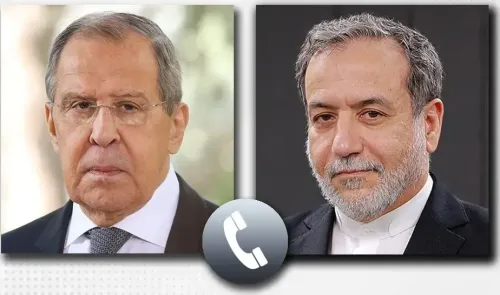
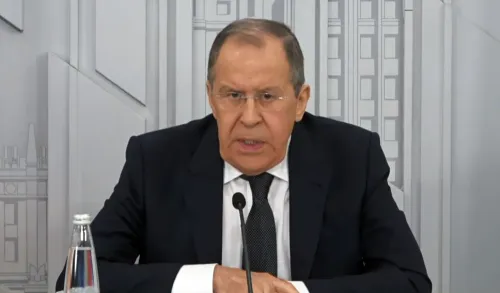
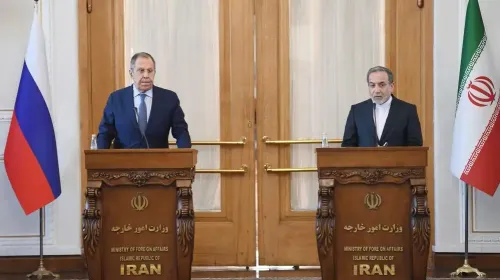
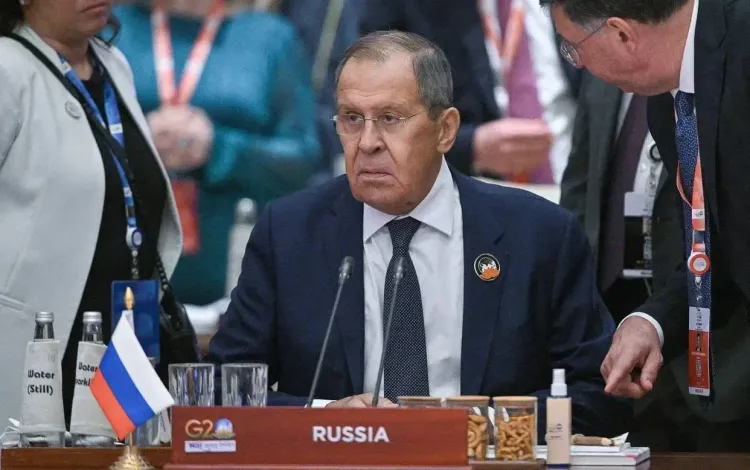
Moscow, March 16 (NationPress) Russian Foreign Minister Sergei Lavrov expressed deep concern on Monday regarding the future of the nuclear non-proliferation regime as geopolitical tensions rise in the Middle East.
Lavrov addressed participants at the Moscow Nonproliferation Conference, emphasizing that recent military interventions by Israel and the United States against Iran, including strikes on facilities safeguarded by the International Atomic Energy Agency, have significantly undermined the authority of the Treaty on the Non-Proliferation of Nuclear Weapons.
These actions have also diminished the credibility of diplomatic efforts to resolve conflicts, with Lavrov warning that some nations might increasingly perceive nuclear weapons as a form of security assurance.
He highlighted the necessity of maintaining the treaty as an essential component of global strategic stability, urging all parties, especially nuclear-armed states, to adhere to their responsibilities.
The foreign minister further pointed out that the risks associated with the militarization of outer space are escalating due to the destructive actions of the United States and its allies, as reported by Xinhua.
He stated that the implementation of the US Golden Dome missile defense system, which intends to deploy space-based interceptor systems by 2028, poses a significant threat to strategic stability.
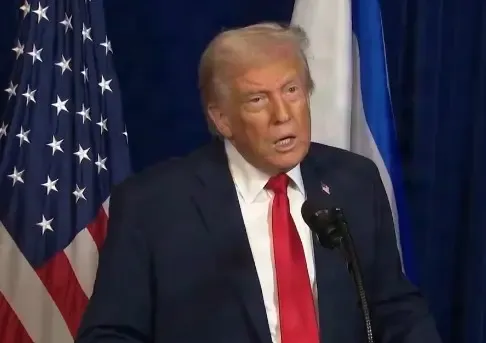
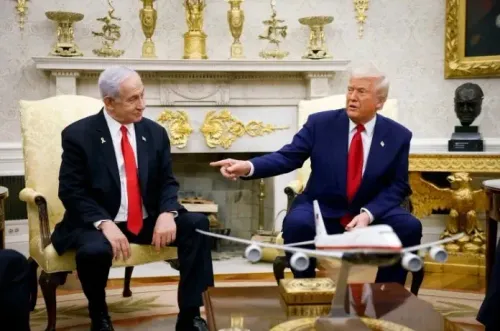
Last week, a US news outlet reported that President Donald Trump declined a proposal from Russian President Vladimir Putin to relocate Iran's enriched uranium to Russia as part of a deal to resolve the US-Israel conflict with Iran.
Trump reportedly rejected Putin's offer during a phone call earlier this week, as disclosed by sources to Axios, an American news platform.
During their conversation on Monday (March 9), Putin presented several ideas, including the uranium transfer, aimed at ending the conflict. A US official noted, "This is not the first time it was offered. It hasn't been accepted. The US position is we need to see the uranium secured."
It remains uncertain whether Iran would agree to the proposal at this time. Prior to the outbreak of hostilities, Iran had rejected the transfer idea and suggested diluting the uranium at its own facilities under the supervision of the International Atomic Energy Agency.
Reports have also suggested that the Trump administration is contemplating deploying special operations forces to Iran to secure or seize the country's highly enriched uranium.
Point of View
It is clear that the ongoing geopolitical situation in the Middle East poses serious challenges to international security frameworks. The interplay of military actions and diplomatic failures highlights the urgent need for renewed dialogue among nuclear powers.
NationPress
27 Sept 2026
Frequently Asked Questions
What is the nuclear non-proliferation regime?
The nuclear non-proliferation regime aims to prevent the spread of nuclear weapons and promote peaceful uses of nuclear energy, primarily through the Treaty on the Non-Proliferation of Nuclear Weapons.
Why is Lavrov concerned about the Middle East?
Lavrov is concerned due to military actions by Israel and the U.S. against Iran, which undermine the credibility of the nuclear non-proliferation treaty and increase tensions in the region.
What is the Golden Dome missile defense system?
The Golden Dome missile defense system is a U.S. initiative designed to deploy space-based interceptors, which poses potential risks to strategic stability.
Did Trump agree to Putin's uranium proposal?
No, President Trump rejected President Putin's proposal to transfer Iran's enriched uranium to Russia during a recent phone call.
What are the implications of militarizing outer space?
Militarizing outer space could lead to increased tensions and instability in international relations, as countries may perceive it as a threat to their security.