South Korea's Lee Jae Myung pushes reform, tax recovery with 4 years left
Synopsis
With over 100 trillion won in unpaid taxes and nearly four years of his term remaining, South Korean President Lee Jae Myung has launched a sweeping nine-session government review — and signalled that the harder work of his presidency is only beginning. The inclusion of civilian observers in what are normally internal briefings is an unusual accountability move worth watching.
Key Takeaways
President Lee Jae Myung launched the second round of comprehensive policy briefings on 15 July , covering 140 ministries and agencies across nine sessions through early August .
Lee stated the remaining three years and 11 months of his term are more critical than the year already completed.
Overdue national taxes and state revenues in arrears reportedly exceed 100 trillion won (USD 67.1 billion) .
The president called for temporary hiring of additional tax personnel to accelerate recovery of delinquent taxes.
Each session will include approximately 20 public observers empowered to ask questions and make policy proposals.
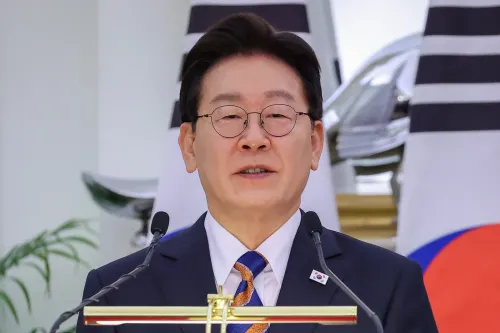
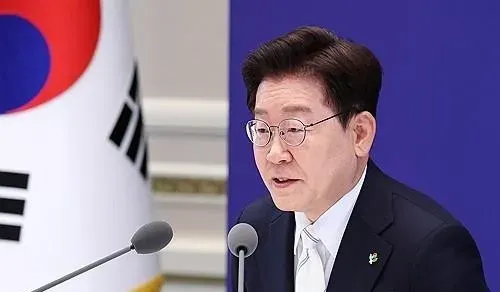
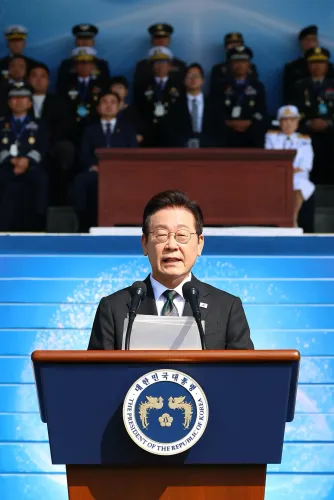
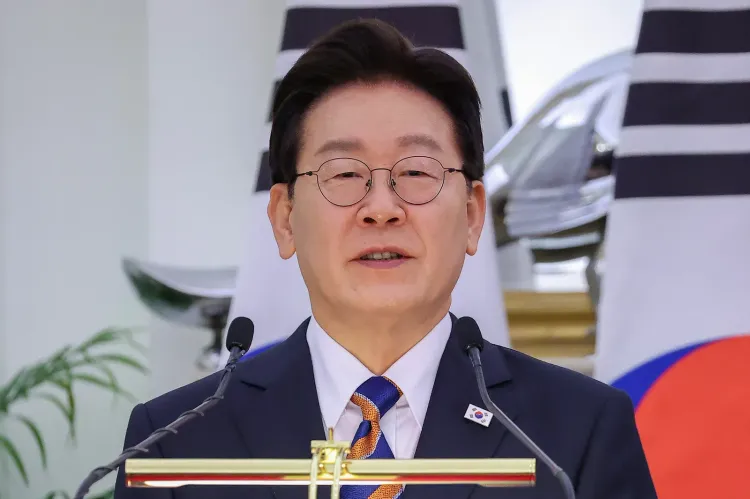
South Korean President Lee Jae Myung on Wednesday, 15 July called for sweeping reform and innovation across government ministries and agencies, asserting that the remaining three years and 11 months of his five-year term may prove more consequential than the year already completed. The remarks came as Lee launched the second round of comprehensive policy briefings since taking office in June 2024.
Key Developments
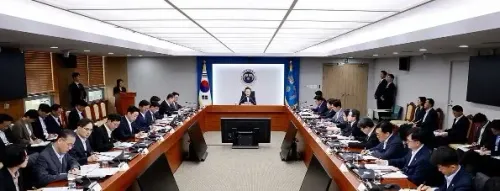
On the opening day of the briefing cycle, Lee received progress updates from the finance ministry, the National Tax Service, the Korea Customs Service, the state financial watchdog, and several other agencies. The sessions are themed 'An Irreversible Republic of Korea Felt in Everyday Life' — a signal of the administration's intent to embed policy changes into citizens' daily experience.
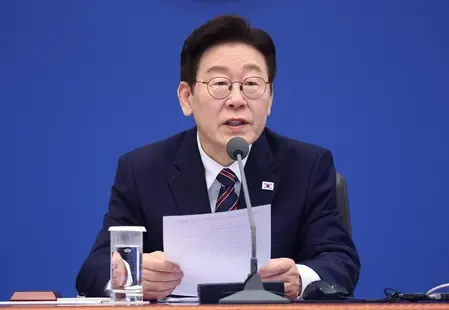
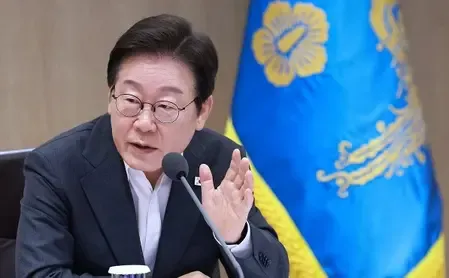
'Overall, many achievements have been made over the last year … (but) the remaining period is more important,' Lee said, adding that the government must 'thoroughly prepare for the long-term implementation of our policy goals, while also addressing problems within (the government).'
Tax Recovery in Focus
A central concern raised by Lee was the scale of uncollected public revenue. Overdue national taxes and other state revenues in arrears reportedly exceed 100 trillion won (approximately USD 67.1 billion), according to figures cited by the president. Lee called for bold measures to address the shortfall, including the temporary hiring of additional tax collection personnel — a move he argued would simultaneously accelerate recovery of delinquent taxes and ease a broader job shortage.
'Normalising what has been abnormal is a daunting task that requires bold measures,' Lee said.
Structure of the Briefing Round
Including Wednesday's session, a total of 140 government ministries and agencies will present to the president across nine sessions running through early August. This marks the second such comprehensive review since Lee assumed office, following the first round conducted in late 2025.
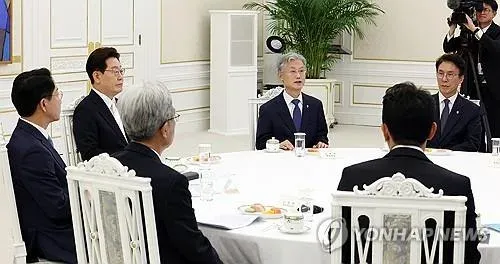
Notably, each session will be attended by approximately 20 'public observers' — members of the public who will be permitted to pose questions and submit policy proposals alongside the president. The inclusion of civilian participants reflects an effort to inject public accountability into what are typically closed-door government reviews.
What It Signals
The timing of the briefings is significant. Lee's administration is approaching the midpoint of its term, and the urgency in his language — stressing that the road ahead matters more than what has been achieved — suggests a recalibration of political energy ahead of the latter half of his presidency. This comes amid broader pressure on the South Korean government to demonstrate fiscal discipline and administrative efficiency.
With 140 agencies set to report by early August, the outcomes of these sessions are expected to shape the administration's legislative and budgetary priorities for the next fiscal cycle.
Point of View
Not a routine administrative exercise. The 100-trillion-won tax arrears figure is striking: at USD 67.1 billion, it represents a structural revenue gap that cannot be closed by personnel additions alone. The civilian observer model in government briefings is genuinely novel in South Korean administrative practice and could either become a meaningful accountability mechanism or a performative exercise, depending on whether proposals are tracked publicly. Mainstream coverage has focused on the reform rhetoric; the more consequential story is whether the administration builds a verifiable framework for the tax recovery target before the political window narrows further.
NationPress
13 Oct 2026
Frequently Asked Questions
Why did President Lee Jae Myung launch these policy briefings?
Lee launched the briefings to review progress on policy implementation across all government ministries and agencies, and to stress the urgency of reform with nearly four years remaining in his five-year term. It is the second such comprehensive review since he took office in June 2024.
How large is South Korea's tax arrears problem?
According to figures cited by President Lee, overdue national taxes and other state revenues in arrears exceed 100 trillion won, equivalent to approximately USD 67.1 billion. Lee called for bold measures including temporary hiring of additional collection staff to recover these funds.
How many agencies are involved and when will the briefings conclude?
A total of 140 government ministries and agencies will report to the president across nine sessions running from 15 July through early August 2025.
What is unusual about the format of these briefings?
Each session will include around 20 'public observers' — ordinary citizens who are permitted to ask questions and submit policy proposals alongside the president. This civilian participation element is a departure from standard closed-door government review practice.
What is the theme of the current briefing round?
The sessions are held under the theme 'An Irreversible Republic of Korea Felt in Everyday Life,' reflecting the administration's stated goal of embedding policy outcomes into citizens' daily experience rather than limiting impact to macroeconomic indicators.