South Korea's Lee vows to replace Korean armistice with peace regime
Synopsis
More than 70 years after the guns fell silent, South Korean President Lee Jae Myung is pushing to formally end the Korean War — not just manage it. His call to replace the armistice with a peace regime, timed to leverage Trump's renewed interest in Pyongyang, signals the most ambitious inter-Korean diplomatic push in years.
Key Takeaways
President Lee Jae Myung reaffirmed on 2 September his commitment to replacing the Korean armistice with a permanent peace regime.
The remarks were made at the Peaceful Unification Advisory Council gathering in Incheon .
Lee unveiled a three-point action plan — inclusive, stable, and responsible — for peaceful coexistence with North Korea in his 15 August Liberation Day speech.
He called on Seoul to lead the creation of conditions for renewed US–North Korea dialogue, citing President Trump's reengagement signals.
The two Koreas have technically remained at war since the 1950–1953 Korean War ended with an armistice, not a peace treaty.
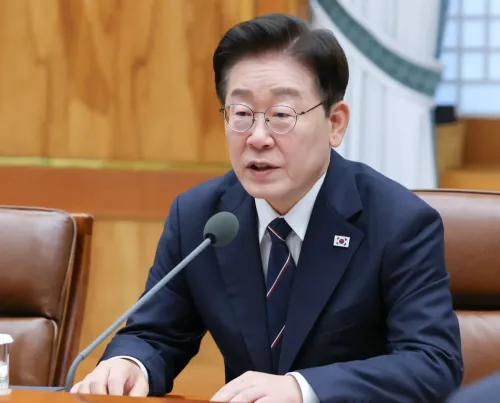
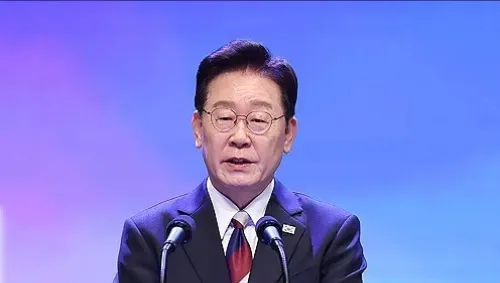
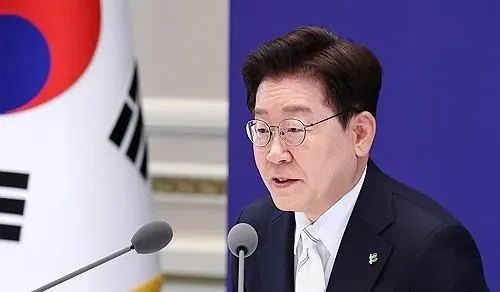
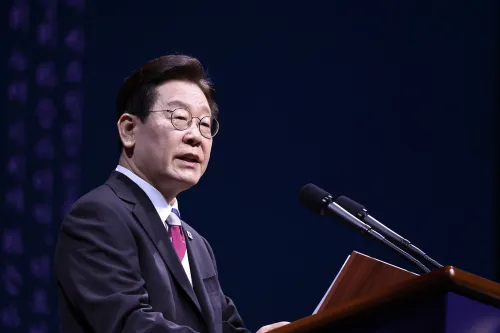
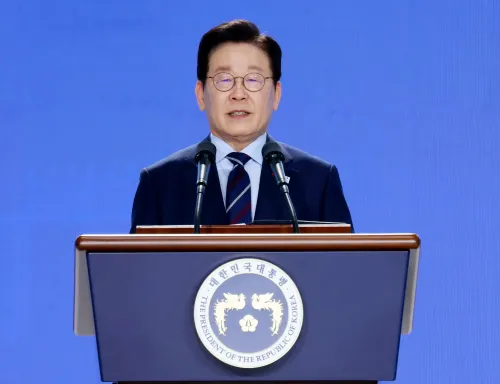
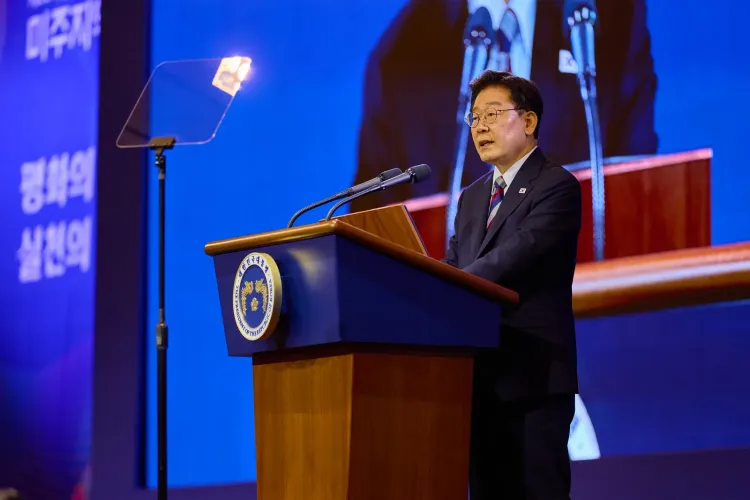
South Korean President Lee Jae Myung on Wednesday, 2 September reaffirmed his government's commitment to establishing a permanent peace regime on the Korean Peninsula, pledging to facilitate the resumption of dialogue between North Korea and the United States. Lee made the remarks at a gathering of the American unit of the Peaceful Unification Advisory Council, a presidential advisory body on unification, held in Incheon, west of Seoul.
The Core Commitment
The two Koreas have technically remained at war since the 1950–1953 Korean War concluded with an armistice — not a peace treaty — leaving the peninsula in a prolonged state of legal limbo. Lee's remarks underscored his administration's intent to move beyond that arrangement.
'To prevent tensions from rekindling due to shifts in domestic politics or changes in the international situation, (we) should replace the armistice based on conflict and confrontation with a peace regime anchored in cooperation and prosperity,' Lee told the gathering.
The Three-Point Action Plan
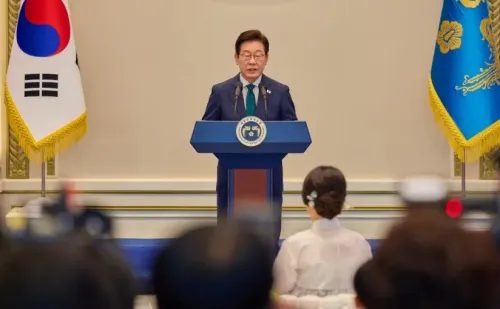
Lee reiterated a three-point action plan for peaceful coexistence with North Korea, first unveiled in his Liberation Day speech on 15 August, built around inclusive, stable, and responsible approaches. In that address, he had proposed that the two Koreas initiate talks on formally ending the war and explore practical measures to halt the advancement of Pyongyang's nuclear programme.
'For inclusive peaceful coexistence, (the South and the North) should respect each other. Peace begins when they respect their differences, rather than when all think alike,' Lee said.
Seoul's Role in US-North Korea Dialogue
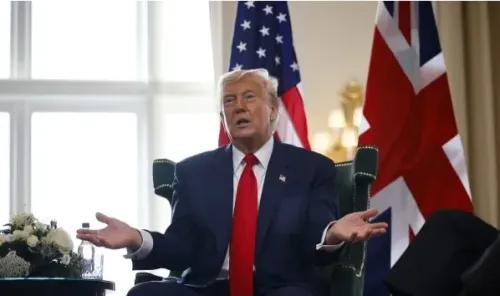
Lee stressed that Seoul must take the initiative in paving the way for renewed North Korea–US dialogue, seeking to leverage US President Donald Trump's stated willingness to reengage with Pyongyang to repair the prolonged rupture in inter-Korean relations.
'Since a possibility of a shift in the situation on the Korean Peninsula, no matter how small, has been created by President Trump's determination, we should be the one to create an environment for constructive discussions on building trust and resuming dialogue between the US and North Korea,' he said.
The Broader Stakes
Lee framed Korean Peninsula peace not as a bilateral concern alone but as a regional and global imperative. 'Ensuring peace on the Korean Peninsula is not an issue just for us. It is a key task in ensuring the security of Northeast Asia and peace in the world,' he added. The president also described the ongoing inter-Korean confrontation as an 'unfortunate' and 'tragic' reality, arguing that both sides were squandering energy in unnecessary rivalry. This comes amid a delicate diplomatic window opened by the Trump administration's signals of reengagement with Pyongyang — a window Seoul appears determined to widen.
Point of View
Largely because North Korea's nuclear calculus and US security commitments pull in opposite directions. What is different this time, if anything, is Lee's explicit framing of Seoul as the initiator rather than the facilitator — a subtle but significant shift in agency. Whether that posture survives contact with Pyongyang's terms and Washington's transactional diplomacy remains the central question mainstream coverage has yet to press.
NationPress
17 Oct 2026
Frequently Asked Questions
What did South Korean President Lee Jae Myung announce on 2 September?
President Lee reaffirmed his commitment to replacing the Korean armistice with a permanent peace regime and pledged to help resume dialogue between North Korea and the United States. He made the remarks at a Peaceful Unification Advisory Council gathering in Incheon.
Why are the two Koreas still technically at war?
The 1950–1953 Korean War ended with an armistice agreement, not a formal peace treaty, leaving both countries in a prolonged state of legal conflict. Replacing that armistice with a peace regime has been a long-standing goal of successive South Korean governments.
What is Lee Jae Myung's three-point action plan for North Korea?
Lee's plan, unveiled in his Liberation Day speech on 15 August, calls for inclusive, stable, and responsible approaches to peaceful coexistence with North Korea. It includes proposals for the two Koreas to begin talks on ending the war and to discuss halting Pyongyang's nuclear programme.
How does President Trump factor into South Korea's peace strategy?
President Lee has signalled his intent to leverage US President Donald Trump's stated willingness to reengage with Pyongyang as an opening to mend inter-Korean relations. Lee stated that Seoul should take the lead in building conditions for constructive US–North Korea dialogue.
Where did Lee make these remarks?
Lee spoke at a gathering of the American unit of the Peaceful Unification Advisory Council, held in Incheon, west of Seoul, on 2 September.