Libya Structured Dialogue concludes, sets path for national elections
Synopsis
Libya's UN-backed Structured Dialogue has formally closed after six months, with 120 participants and consultations spanning over 10,000 citizens producing non-binding recommendations on elections and state-building. The harder test — turning advisory consensus into political action in a country with rival governments and armed factions — now begins.
Key Takeaways
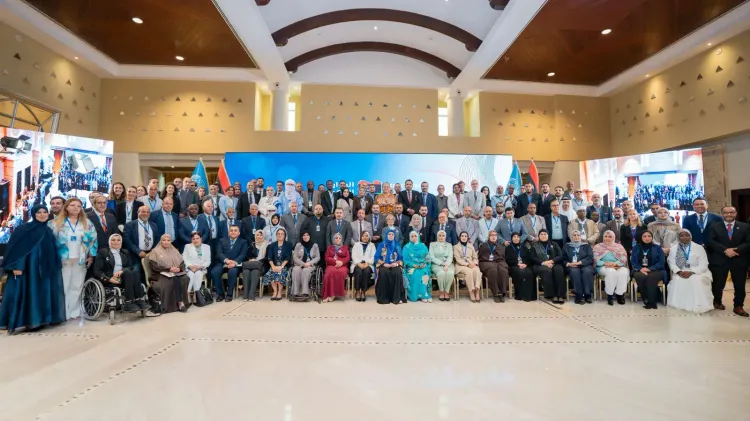
Libya's Structured Dialogue formally concluded on 8 June at its final plenary session in Tripoli .
Around 120 Libyan participants — including youth, women, and persons with disabilities — took part in the process.
Public consultations reached more than 10,000 people across Libya, according to UNSMIL .
Final recommendations cover national elections , unification of state institutions, and addressing root causes of conflict.
Recommendations are advisory and non-binding ; the next phase focuses on supporting their implementation.
The dialogue was launched in December 2025 as part of the broader UN-facilitated political roadmap .
Libya's Structured Dialogue, a central pillar of the UN-facilitated political roadmap, formally concluded on Sunday, 8 June following its final plenary session in Tripoli. The process, launched in December 2025, was designed as a consultative forum to build consensus among Libyan stakeholders on the country's political future.
Key Outcomes of the Final Plenary
Participants at the concluding session presented a set of final recommendations focused on three broad objectives: creating conditions for holding national elections, unifying and strengthening state institutions, and addressing the long-term structural causes of Libya's protracted conflict. The recommendations are advisory and non-binding in nature.
The dialogue brought together approximately 120 Libyan participants drawn from across the country, including representatives of youth, women, cultural communities, and persons with disabilities. Discussions were further informed by broad public consultations involving more than 10,000 people, according to the United Nations Support Mission in Libya (UNSMIL).
What the UN Envoy Said
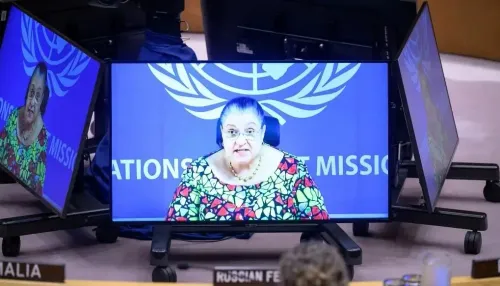
Hanna Tetteh, the UN Secretary-General's Special Representative for Libya, addressed participants in her opening remarks at the final session. 'What began as a shared commitment has grown into a dynamic and meaningful process driven by your dedication, your expertise, and your belief in your country's future,' she said.
Tetteh also highlighted a recurring theme throughout the dialogue — a strong desire for change among Libyans, paired with a firm insistence that any such change must be Libyan-led and Libyan-owned. 'We have witnessed serious attempts to reconcile the ambitious goals pursued by Libyans with the practical realities that must be addressed, seeking common ground that is realistic while continuing to push for progress,' she added.
Structure and Significance of the Process
Launched in December 2025, the Structured Dialogue was conceived as a departure from top-down political negotiations, instead emphasising grassroots and civil society participation. The inclusion of youth delegates, women's representatives, and persons with disabilities was notable, signalling an attempt to broaden the political conversation beyond traditional power blocs.
Notably, the dialogue's phased and gradual approach — acknowledged by Tetteh herself — reflects the complexity of achieving consensus in a country divided between rival administrations and armed factions for over a decade.
What Comes Next
UNSMIL has indicated that the next phase will focus on supporting the implementation of the dialogue's recommendations. The mission will simultaneously continue advancing other elements of the broader UN political roadmap for Libya. The practical translation of advisory recommendations into concrete political steps, however, remains the critical — and historically elusive — challenge ahead.
Point of View
Not a political breakthrough — and the distinction matters. Libya has no shortage of roadmaps, communiqués, and consultative frameworks; what it has lacked is the political will and institutional capacity to implement them. The non-binding nature of these recommendations means the hard bargaining between rival administrations and armed factions still lies ahead. UNSMIL's emphasis on 'Libyan-led and Libyan-owned' change is the right framing, but it also conveniently places accountability on Libyan actors if implementation stalls — as it has before. The real test will come when these recommendations meet the entrenched interests of those who benefit from Libya's division.
NationPress
23 Oct 2026
Frequently Asked Questions
What is Libya's Structured Dialogue?
Libya's Structured Dialogue is a UN-facilitated consultative forum launched in December 2025 as part of the broader political roadmap for the country. It brought together around 120 Libyan participants to build consensus on elections, state unification, and resolving the root causes of conflict.
What were the main recommendations of the Structured Dialogue?
Participants submitted final recommendations aimed at creating conditions for national elections, unifying and strengthening Libyan state institutions, and addressing the long-term structural causes of the country's conflict. The recommendations are advisory and non-binding.
How many people were involved in the Structured Dialogue process?
The dialogue directly involved approximately 120 Libyan participants from across the country. It was also informed by broader public consultations that reached more than 10,000 people, according to UNSMIL.
What happens after the Structured Dialogue concludes?
UNSMIL has said the next phase will focus on supporting the implementation of the dialogue's recommendations, while continuing to advance other elements of the UN political roadmap for Libya. No binding timeline for elections or institutional reforms has been announced.
Who is Hanna Tetteh and what role did she play?
Hanna Tetteh is the UN Secretary-General's Special Representative for Libya and head of UNSMIL. She addressed participants at the final plenary session, summarising the lessons of the process and outlining the mission's next steps.