What Led to the Life Sentence for Shinzo Abe's Assailant?
Synopsis
A Japanese court has sentenced Tetsuya Yamagami to life imprisonment for the assassination of Shinzo Abe. The crime, committed with a homemade weapon, has resulted in a significant investigation into the Unification Church. Discover the details surrounding this shocking event and its implications for Japanese society.
Key Takeaways
Tetsuya Yamagami sentenced to life for Abe's assassination.
Crime involved a homemade firearm , raising gun control issues.
Unification Church's role under scrutiny amid financial allegations.
National investigations initiated following the incident.
Abe's political legacy remains significant in Japan.
Tokyo, Jan 21 (NationPress) A Japanese court has sentenced Tetsuya Yamagami, the man responsible for the assassination of former Prime Minister Shinzo Abe, to life imprisonment. This shocking incident, which occurred in 2022, involved a shooting executed with a homemade firearm that was deemed "vile and extremely vicious" by the court, according to local media reports.
The Nara District Court imposed the life sentence as requested by the prosecution.
During the trial, Yamagami confessed to the murder while Abe was delivering a speech in Nara. His defense argued for a lesser sentence of 20 years, claiming he was a victim of a religious group's influence and that his "tragic" upbringing drove him to commit the act, as reported by Japan's Kyodo News.
Yamagami expressed resentment towards the Unification Church, which he claimed caused financial hardship for his family due to his mother's contributions amounting to 100 million yen (approximately USD 633,000). He believed that Abe was central to the church's political activities in Japan.
The court found Yamagami guilty of murder and violating the Firearms and Swords Control Law. His defense contended that his homemade weapon fell outside the law's jurisdiction at the time of the incident.
This case has drawn attention to the Unification Church's fundraising practices, prompting the Japanese government to launch an investigation. Consequently, the Tokyo District Court has ordered the church to dissolve and revoked its tax-exempt status. In response to the issues surrounding manipulative fundraising, a new law was enacted in 2022 to protect the children of Unification Church members, often referred to as "second-generation" followers.
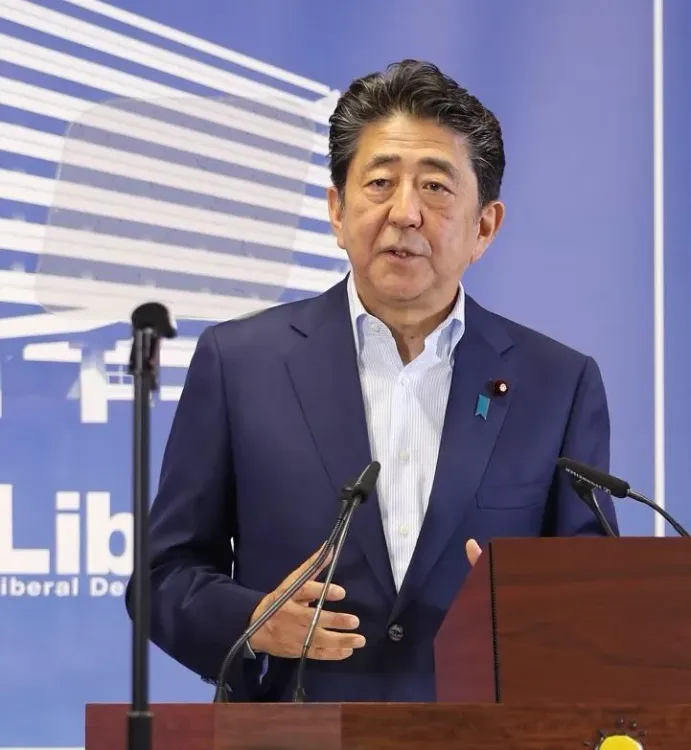
Shinzo Abe, who served as Japan's longest-serving leader, was tragically killed at the age of 67 while giving a speech in Nara in 2022.
Born into a notable political family, he began his political career as a secretary for his father, former Foreign Minister Shintaro Abe, before being elected to the House of Representatives in 1993. He held the position of Prime Minister twice, first from 2006 to 2007 and again from 2012 until his resignation due to health issues.
Point of View
It is essential to acknowledge the profound implications of this case for Japan. The assassination of a prominent political figure like Shinzo Abe not only shakes the nation but also raises important questions about the influence of religious organizations and gun control in Japan.
NationPress
30 Sept 2026
Frequently Asked Questions
What was the verdict in Shinzo Abe's assassination case?
Tetsuya Yamagami was sentenced to life in prison for the assassination of former Prime Minister Shinzo Abe.
What motivated Tetsuya Yamagami to commit the crime?
Yamagami claimed he held a grudge against the Unification Church, which he believed had financially harmed his family.
What are the legal implications of the homemade firearm used?
Yamagami was found guilty of murder and violating gun control laws, though his defense argued that his homemade weapon was not covered under existing laws at the time.
How has this case impacted the Unification Church in Japan?
The case has prompted investigations into the church's fundraising practices, leading to a court order for its dissolution and loss of tax benefits.
What was Shinzo Abe's political legacy?
Shinzo Abe was Japan's longest-serving Prime Minister, known for his significant influence in Japanese politics and economic policies.