Arshad Madani says Muslims, madrasas targeted for political gains
Synopsis
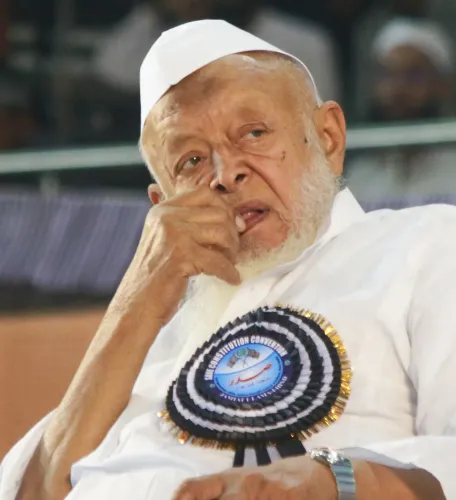
Jamiat Ulama-e-Hind chief Arshad Madani has hit back at UP Deputy CM Keshav Prasad Maurya's claim that madrasas 'unofficially breed terrorism', calling it the 'height of communalism'. The exchange lays bare a deepening fault line over minority educational institutions — one that critics say is being deliberately stoked ahead of electoral cycles.
Key Takeaways
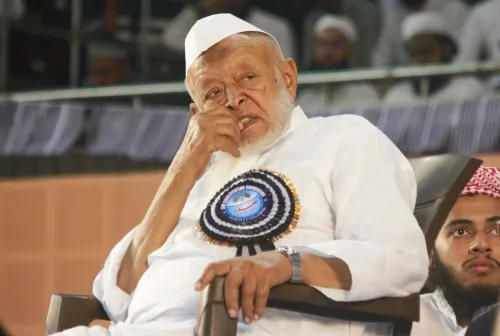
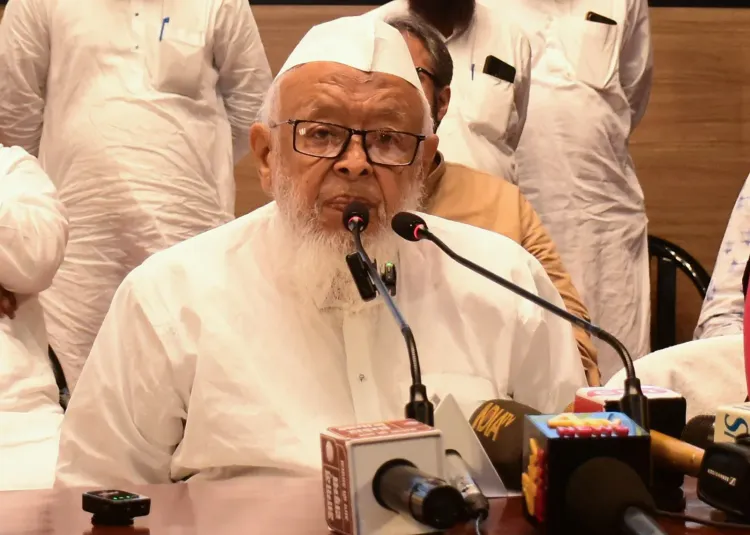
Arshad Madani , National President of Jamiat Ulama-e-Hind , on 6 August alleged Muslims and madrasas are repeatedly targeted for political and electoral gains.
UP Deputy CM Keshav Prasad Maurya had claimed madrasas in India, Pakistan, and Bangladesh 'unofficially breed terrorism' and that students develop a 'terrorist-like mindset'.
Maurya made the remarks while endorsing exiled Bangladeshi author Taslima Nasreen 's demand for a ban on madrasas, which she called 'jihadi factories'.
Madani responded via X , calling the allegations 'the height of communalism and prejudice' and asserting that critics lack the moral authority to question madrasa institutions.
Madani warned that such statements 'threaten communal harmony and undermine the unity and Constitutional values of India'.
Jamiat Ulama-e-Hind National President Arshad Madani on Thursday, 6 August alleged that Muslims and their educational institutions are being systematically targeted for political ends, warning that such narratives 'threaten communal harmony' and erode the Constitutional values of the country. His remarks were directed at a widening controversy over the role and character of madrasas in India.
What Triggered the Controversy
Uttar Pradesh Deputy Chief Minister Keshav Prasad Maurya had claimed that madrasas in India, Pakistan, and Bangladesh 'unofficially breed terrorism', further alleging that students from such institutions lack patriotism and develop a 'terrorist-like mindset'. Maurya made the remarks while endorsing exiled Bangladeshi author Taslima Nasreen's call for a ban on madrasas, after she described them as 'jihadi factories'.
Madani's Response on X
Responding to the controversy, Madani posted on social media platform X, strongly objecting to what he called communal allegations against madrasas. 'Declaring madrasas as hubs of terrorism is the height of communalism and prejudice,' he wrote. He further argued that those making such allegations lacked the moral standing to question institutions that, according to him, had contributed significantly to the country's history.
'It is deeply ironic that those whose political predecessors sought clemency from the British during India's freedom struggle are now attempting to portray madrasas as centres of terrorism,' Madani claimed.
Allegations of Electoral Targeting
The Jamiat chief alleged that Muslims and madrasas have repeatedly faced what he described as baseless accusations timed to electoral cycles. 'For electoral and divisive political gains, Muslims and their educational institutions have repeatedly been subjected to baseless allegations. From questioning the curriculum and patriotism of madrasas to falsely branding them as breeding grounds of terrorism, such narratives are aimed at spreading hatred and mistrust,' he said.
Notably, this dispute unfolds against a broader national conversation about madrasa regulation, with several states having moved in recent years to bring such institutions under government oversight or standardised curricula.
Constitutional Concerns Raised
Madani asserted that statements of this nature damage the country's social fabric and Constitutional ethos. 'These irresponsible statements reflect a dangerous mindset that threatens communal harmony and undermines the unity and Constitutional values of India,' he stated. The Jamiat Ulama-e-Hind, one of India's oldest Islamic clerical bodies, has historically positioned itself as a defender of minority educational rights within a constitutional framework.
What Comes Next
The exchange is likely to intensify ahead of upcoming state electoral cycles, where minority welfare and madrasa policy have historically served as polarising issues. Whether the controversy prompts any formal legislative response or regulatory review of madrasa governance remains to be seen.
Point of View
Multi-million-student ecosystem with fringe cases, and risks policy distortion. Equally, Madani's counter-narrative sidesteps legitimate debates about curriculum standardisation and transparency in madrasa funding. What is missing from both sides is a data-grounded conversation: independent assessments of madrasa outcomes, employment figures, and actual security incidents linked to specific institutions. The communal framing crowds out exactly that kind of accountability.
NationPress
20 Sept 2026
Frequently Asked Questions
What did Arshad Madani say about madrasas being targeted?
Arshad Madani, National President of Jamiat Ulama-e-Hind, alleged on 6 August that Muslims and their educational institutions are repeatedly subjected to baseless accusations for electoral and political purposes. He warned that such narratives threaten communal harmony and undermine India's Constitutional values.
What did UP Deputy CM Keshav Prasad Maurya say about madrasas?
Keshav Prasad Maurya claimed that madrasas in India, Pakistan, and Bangladesh 'unofficially breed terrorism' and alleged that students from such institutions lack patriotism and develop a 'terrorist-like mindset'. He made the remarks while endorsing Taslima Nasreen's call for a ban on madrasas.
Who is Taslima Nasreen and what did she say?
Taslima Nasreen is an exiled Bangladeshi author who described madrasas as 'jihadi factories' and demanded they be banned. UP Deputy CM Maurya endorsed her position, triggering the current controversy.
Where did Madani post his response?
Madani posted his response on social media platform X, where he strongly objected to the allegations against madrasas and accused critics of promoting a communal narrative.
Why does this controversy matter for India's communal landscape?
The dispute touches on minority educational rights, madrasa regulation, and the broader question of how Muslim institutions are framed in political discourse. With several states already moving to bring madrasas under standardised oversight, the controversy could influence both legislative action and electoral politics in the months ahead.