Jamiat Ulama-i-Hind flags 'politics of intimidation' and rising communalism in India
Synopsis
One of India's largest Islamic organisations has declared the current political climate 'extremely alarming', alleging a systematic 'politics of intimidation' against Muslims and Islam itself — and is calling opposition parties and civil society to unite against what it terms 'communal and fascist forces'. The declaration, adopted after a two-day Working Committee meeting, marks a significant escalation in Jamiat Ulama-i-Hind's political posture.
Key Takeaways
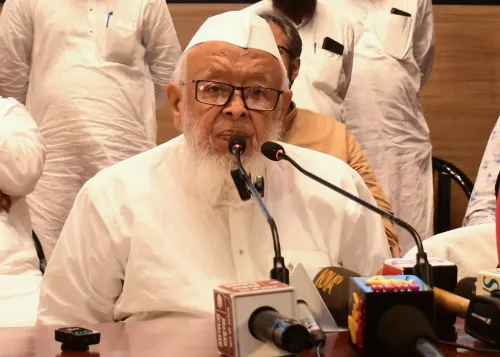
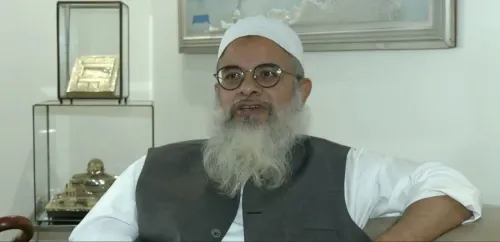
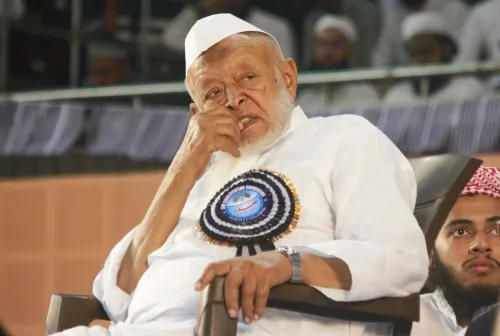
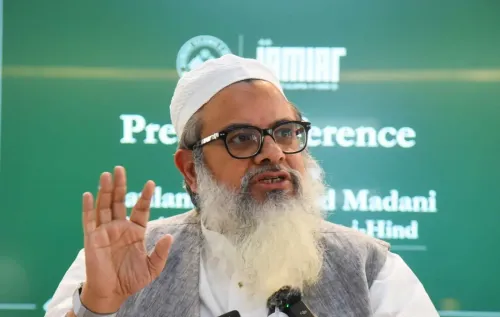
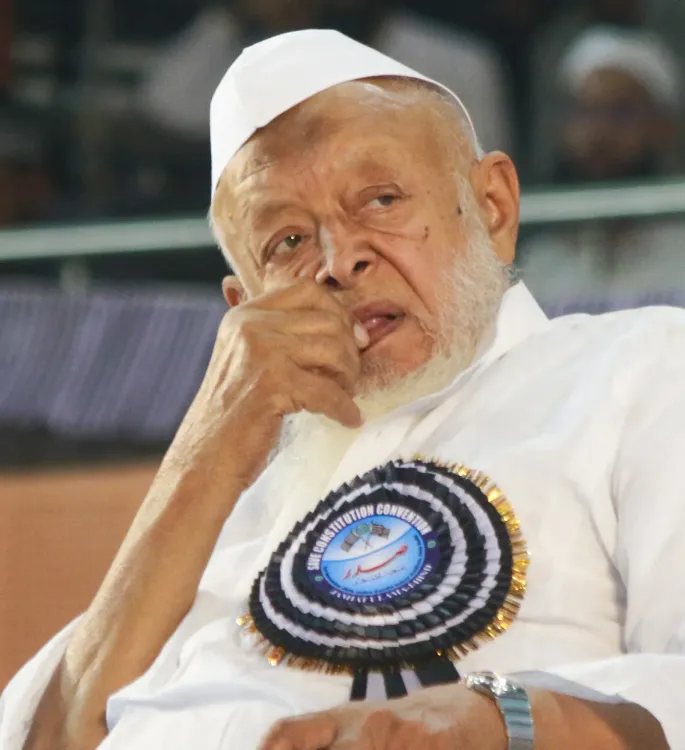
Jamiat Ulama-i-Hind chief Arshad Madani shared a Working Committee declaration on 17 May warning of 'rising communalism' and a 'politics of intimidation' against Muslims.
The declaration alleged that religious sentiments are being used to 'pit the majority against the minority', in violation of constitutional principles.
West Bengal CM Suvendu Adhikari's reported remark that he would 'work only for Hindus' was cited as a breach of constitutional and democratic values.
The organisation alleged that measures including the Uniform Civil Code , mandatory 'Vande Mataram', and actions against mosques and madrasas form part of a pattern to alter India's secular framework.
Madani appealed to opposition parties and civil society to unite against what he called 'communal and fascist forces'.
The Jamiat vowed to continue a legal and democratic struggle against the measures it opposes.
Jamiat Ulama-i-Hind chief Arshad Madani on 17 May raised sharp concerns over what the organisation described as a worsening climate of communalism, the alleged silence of constitutional institutions, and an escalating 'politics of intimidation' targeting Muslims and Islamic symbols in India. The remarks followed a two-day Working Committee meeting, after which Madani shared the adopted declaration through a post on X.
Key Concerns Raised
The declaration described the current political environment as 'extremely alarming', alleging that politics rooted in 'hatred' had evolved into a 'politics of intimidation' designed to create fear among Muslims and compel them to live under what the organisation termed 'imposed social and political conditions'. 'For the sake of power, a dangerous game is being played with peace and unity, resulting in a continuous rise in religious extremism and hatred, while the guardians of law remain silent spectators,' Madani said, quoting the declaration.
The organisation also alleged that religious sentiments were being weaponised to 'pit the majority against the minority', contrary to constitutional principles requiring governments to function through justice, fairness, and equality.
West Bengal Chief Minister Targeted in Declaration
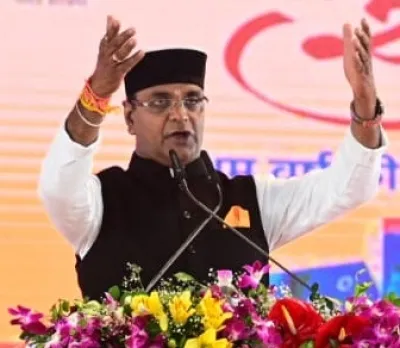
The Jamiat's declaration took direct aim at remarks allegedly made by West Bengal Chief Minister Suvendu Adhikari following his electoral victory, accusing him of promoting divisive political messaging. 'The statement of the newly elected Chief Minister of West Bengal that he would 'work only for Hindus' is completely against constitutional and democratic values, because every Chief Minister takes an oath to uphold justice for all citizens,' the declaration stated. The organisation argued that those in power are constitutionally obligated to protect the rights of every citizen, not promote communal politics.
Allegations of a Systematic Policy Shift
The Jamiat Ulama-i-Hind further alleged a 'planned attempt' to transform India into what it called an 'ideological state', claiming that recent policy initiatives and legal measures form part of a broader pattern aimed at altering the country's constitutional and secular framework. The declaration cited measures including the Uniform Civil Code, moves to make 'Vande Mataram' mandatory, actions against mosques and madrasas, and what it described as the disenfranchisement of genuine citizens under the guise of Special Intensive Revision (SIR) of electoral rolls, as 'links in the same chain'.
Comparing the present situation with earlier governments, the declaration alleged that while past administrations may have caused harm to Muslims socially and economically, the current environment was 'far more dangerous'. 'Earlier, only Muslims were targeted; now Islam itself has become a target,' the declaration alleged, attributing this to laws enacted after 2014.
Call for Democratic Unity
Madani appealed to opposition parties, civil society organisations, and citizens to jointly resist what he termed 'communal and fascist forces'. 'We appeal to all justice-loving parties, social organisations, and patriotic citizens to unite against communal and fascist forces at the democratic and social levels, and to jointly struggle for brotherhood, tolerance, justice, and the supremacy of the Constitution,' he said. The organisation affirmed it would continue to pursue what it described as a legal and democratic struggle against the measures it opposes.
The Jamiat Ulama-i-Hind also alleged that anti-Islam propaganda was being conducted at a global level in an organised manner, though it asserted such efforts would ultimately fail. With communal tensions a recurring flashpoint in Indian politics, the declaration signals that one of India's largest Muslim organisations intends to escalate its political and legal engagement in the months ahead.
Point of View
Which signals a more overtly political posture from an organisation that has historically preferred legal channels. The invocation of 'fascism' alongside 'communalism' is a calibrated escalation in language, designed to build cross-community coalitions. Yet the declaration's credibility will rest on whether its specific allegations — particularly around electoral roll revision and madrasa actions — can be substantiated with verifiable data. Broad assertions without granular evidence risk being dismissed as partisan positioning rather than constitutional advocacy. The reference to post-2014 laws as evidence of targeting Islam rather than Muslims is a significant analytical leap that the mainstream political and legal discourse will likely contest sharply.
NationPress
7 Oct 2026
Frequently Asked Questions
What did Jamiat Ulama-i-Hind say in its May 2025 declaration?
The Jamiat Ulama-i-Hind's Working Committee, meeting over two days, adopted a declaration on 17 May 2025 warning of 'rising communalism', the alleged silence of constitutional institutions, and a 'politics of intimidation' targeting Muslims and Islamic symbols in India. The organisation described the current situation as 'extremely alarming' and called for democratic and legal resistance.
Who is Arshad Madani and what role does he play in Jamiat Ulama-i-Hind?
Arshad Madani is the chief of Jamiat Ulama-i-Hind, one of India's largest Islamic organisations, founded in 1919. He shared the Working Committee's declaration on X, calling on opposition parties and civil society to unite against what he termed 'communal and fascist forces'.
Why did the Jamiat declaration mention West Bengal's Chief Minister?
The declaration cited remarks allegedly made by West Bengal Chief Minister Suvendu Adhikari following his electoral victory, in which he reportedly said he would 'work only for Hindus'. The Jamiat called this 'completely against constitutional and democratic values', noting that every Chief Minister is oath-bound to uphold justice for all citizens.
What specific measures did the Jamiat Ulama-i-Hind allege are targeting Muslims?
The declaration cited the Uniform Civil Code, moves to make 'Vande Mataram' mandatory, actions against mosques and madrasas, and what it described as the disenfranchisement of genuine citizens through Special Intensive Revision of electoral rolls, alleging these form part of a pattern to alter India's secular constitutional framework.
What action is the Jamiat Ulama-i-Hind planning next?
The organisation said it would continue a legal and democratic struggle against the measures it opposes. Madani also appealed to opposition parties, social organisations, and citizens to unite at the democratic and social levels for 'brotherhood, tolerance, justice, and the supremacy of the Constitution'.