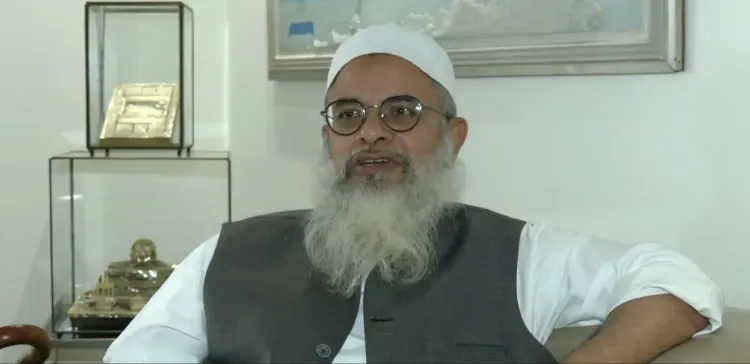
Jamiat Chief Madani Highlights Muslims' Growing Insecurity Due to Governance Bias
Synopsis
On March 26, Jamiat Ulama-e-Hind President Maulana Mahmood Asad Madani discussed the escalating feelings of insecurity among Muslims in India, attributing these sentiments to perceived governance biases. His statements shed light on broader trends impacting the community, urging for justice and fair treatment.
Key Takeaways
Muslims in India feel increasingly insecure and marginalized.
Perceived governance bias exacerbates feelings of injustice.
Issues of undocumented immigrants should be viewed neutrally, without religious bias.
Uniform application of laws is essential for all religious practices.
Concerns about the electoral roll revisions affect multiple communities.
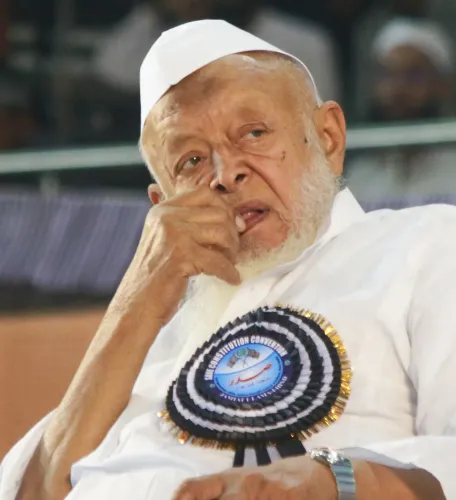
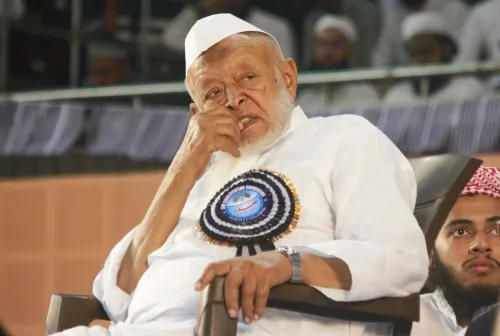
New Delhi, March 26 (NationPress) The President of Jamiat Ulama-e-Hind, Maulana Mahmood Asad Madani, expressed on Thursday a rising sense of insecurity among many Muslims in India. He described their feelings of being "cornered, unsafe, and humiliated" as stemming from what he perceives to be a consistent pattern of developments and a bias in governance and law enforcement, rather than isolated incidents.
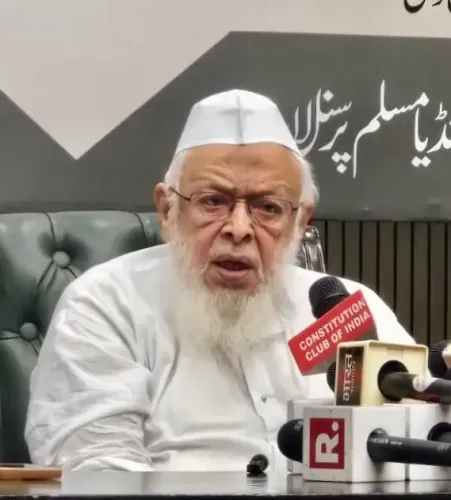
In a conversation with IANS, Madani emphasized that while individual incidents may be frequent in a nation as vast and diverse as India, the situation worsens when the reaction from authorities appears arbitrary. "Those tasked with halting injustice and delivering justice seem to have ignored their responsibilities," he remarked, implying that certain segments of the administration, police, and government contribute to this pervasive sense of anxiety.
Regarding whether Muslims are facing global targeting, Madani acknowledged that such sentiments are increasingly prevalent, though he chose not to reference specific events and instead highlighted a broader trend.
On the topic of the deportation of alleged undocumented immigrants in Assam, he firmly stated that this issue should not be examined through a religious lens. "We are even labeled as Bangladeshis. Our stance is clear: any individual—regardless of their faith—who lacks valid documentation should not remain in India. The NRC process has already been executed in Assam. The Chief Minister has even suggested deporting me to Bangladesh," he asserted.
Discussing the Special Intensive Revision (SIR) of electoral rolls, Madani indicated that dissatisfaction is not limited to Muslims alone. “Numerous complaints exist regarding this issue, and dissatisfaction is observable among other communities as well,” he observed.
On the Gujarat Uniform Civil Code (UCC) Bill, he stated that the organization will provide feedback only after conducting a thorough review. “Senior members of our organization are currently acquiring and analyzing the bill, after which we will issue our response,” he explained.
Referring to restrictions on conducting Eid prayers on roadways, particularly in Uttar Pradesh, Madani underscored the necessity for the uniform application of rules. "If the government has determined that no religious activities should occur on roads—since they are designated for transportation—then this rule should be enforced universally. It cannot be biased," he stated.
Regarding AIMIM leader Asaduddin Owaisi, he remarked: "Owaisi is a competent individual who actively engages in politics. He is performing his role effectively in his unique manner.”
Point of View
He articulates a sense of injustice perceived by many Muslims, emphasizing the need for equitable treatment across all religious groups. This highlights the importance of addressing governance issues that affect social cohesion and trust.
NationPress
26 Sept 2026
Frequently Asked Questions
What are the main concerns expressed by Maulana Madani?
Maulana Madani expressed concerns about a growing sense of insecurity among Muslims in India, citing feelings of being cornered and humiliated due to perceived governance biases.
How does Madani view the issue of undocumented immigrants in Assam?
He believes the issue should not be viewed through a religious lens, asserting that anyone without valid documentation, regardless of faith, should not remain in India.
What is the Jamiat's stance on the Gujarat Uniform Civil Code Bill?
The Jamiat will respond to the UCC Bill only after conducting a thorough examination of its contents.