UCC in 21 NDA states: Maulana Madani questions Constitution vs ideology
Synopsis
Jamiat Ulama-i-Hind’s Maulana Arshad Madani has thrown down a constitutional gauntlet over the UCC’s planned rollout across 21 NDA states by 2029, invoking Articles 25 and 26 and drawing a pointed parallel with Scheduled Tribe exemptions. With six Uttarakhand High Court hearings already on record and Kapil Sibal leading the legal challenge, this is no longer just a political debate — it is a full-blown constitutional contest.
Key Takeaways
Maulana Arshad Madani of Jamiat Ulama-i-Hind criticised the UCC rollout across 21 NDA-ruled states on 16 September 2026 .
Home Minister Amit Shah had on 13 September announced UCC implementation in all 21 NDA states before the 2029 Lok Sabha elections .
Jamiat has challenged the Uttarakhand UCC law in the Uttarakhand High Court ; six hearings have taken place, with senior advocate Kapil Sibal appearing for Jamiat.
Madani invoked Articles 25 and 26 of the Constitution and questioned why Scheduled Tribes receive UCC exemptions while Muslim religious freedoms are not similarly protected.
The UCC covers marriage, divorce, inheritance, and adoption under a common framework regardless of religion; Uttarakhand is the first state to fully enforce it.
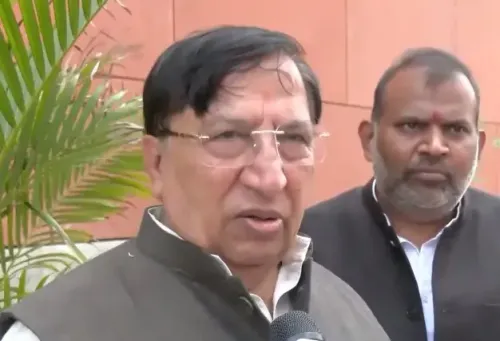
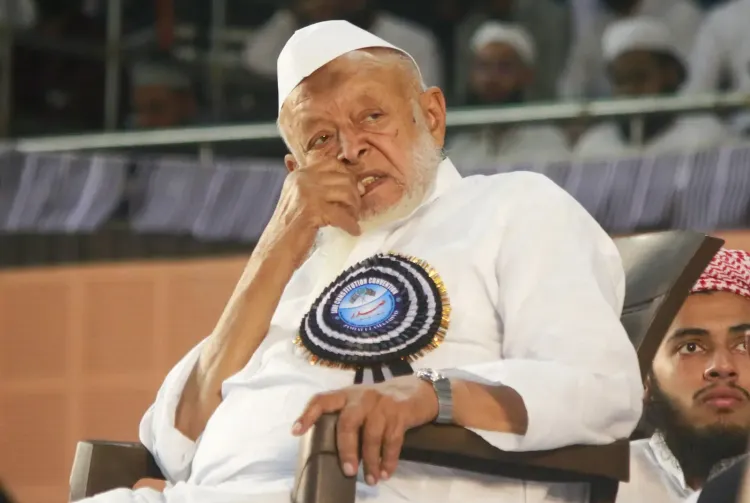
Jamiat Ulama-i-Hind president Maulana Arshad Madani on Wednesday, 16 September 2026, sharply criticised the proposed rollout of the Uniform Civil Code (UCC) across all 21 states governed by the Bharatiya Janata Party (BJP)-led National Democratic Alliance (NDA), raising a pointed constitutional challenge: whether India would be governed by its Constitution or by the “ideological agenda of a political party.”
The Trigger: Shah’s 2029 Deadline
The statement comes in direct response to an announcement by Union Home Minister Amit Shah on 13 September, who declared that the UCC would be implemented across all 21 NDA-ruled states before the 2029 Lok Sabha elections. Shah noted that the code had already been introduced in several states and expressed confidence about the timeline. The announcement drew support from NDA constituents while attracting sharp criticism from Opposition parties and several Muslim organisations.
Madani’s Constitutional Argument
Maulana Madani framed his opposition in constitutional terms, calling the UCC expansion a “deliberate attempt to undermine the supremacy” of the Constitution and the “religious freedoms” guaranteed to citizens. “The Home Minister’s announcement that the Uniform Civil Code will be implemented in all 21 NDA-ruled states before 2029 raises a fundamental question: Will the country be governed by the Constitution or by the ideological agenda of a political party?” he said.
He specifically invoked Articles 25 and 26 of the Constitution, which protect the right to freely profess, practise, and propagate religion. Drawing a comparison with Scheduled Tribes, who are exempted from UCC provisions under constitutional provisions, Madani questioned why similar protections could not be extended to religious minorities. “Why this discrimination in the name of a Uniform Civil Code?” he asked.
On Islamic Personal Law and the Sharia Question
Maulana Madani argued that Muslim personal laws are not human-made statutes but derive their authority from the Quran and Hadith, making them non-negotiable in his view. “We cannot accept any law that is against Sharia. Muslims can compromise on everything, but they can never compromise on their religion and faith,” he said. He further contended that those who do not wish to be governed by religious personal law already have access to civil law alternatives, questioning the need for a mandatory common code.
Jamiat’s Legal Battle in Uttarakhand
Uttarakhand became the first state to pass and fully enforce UCC-related legislation, and Jamiat Ulama-i-Hind has challenged this law in the Uttarakhand High Court. Madani confirmed that six hearings have taken place so far, with senior advocate Kapil Sibal and other lawyers appearing on the organisation’s behalf. “Jamiat Ulama-e-Hind wants to uphold the country’s secular Constitution, democracy, and the rule of law,” he said, adding that the organisation “hopes to receive justice.”
The Broader Debate on ‘One Country, One Law’
Madani also challenged the government’s “one country, one law” framing by pointing to existing legal variations across states — including state-level differences in criminal law enforcement and the non-uniformity of cow slaughter laws. Notably, he also reiterated Jamiat’s longstanding demand for the cow to be granted national animal status as a separate measure for its protection. Critics argue this exposes a tension in the “one nation, one law” principle, since legal uniformity is already selectively applied across India’s federal structure.
The UCC, which seeks to establish a common framework governing marriage, divorce, inheritance, and adoption regardless of religion, remains one of the most contested policy debates in contemporary Indian politics. With the 2029 election deadline now publicly stated, the legal and political battle over its nationwide rollout is set to intensify.
Point of View
Now six hearings deep with Kapil Sibal in the frame, signal that this will be decided as much in courtrooms as in election campaigns. With Shah publicly tying the UCC to a 2029 deadline, the BJP has made it a centrepiece of its electoral identity — raising the political cost of any judicial setback.
NationPress
16 Sept 2026
Frequently Asked Questions
What did Maulana Arshad Madani say about the UCC?
Maulana Arshad Madani, president of Jamiat Ulama-i-Hind, criticised the proposed UCC rollout across 21 NDA-ruled states, arguing it raises a fundamental question about whether India will be governed by its Constitution or by a political party’s ideological agenda. He called the expansion a deliberate attempt to undermine constitutional religious freedoms and said Muslims cannot accept any law that conflicts with Sharia.
What did Home Minister Amit Shah announce about the UCC?
On 13 September, Union Home Minister Amit Shah announced that the UCC would be implemented in all 21 NDA-governed states before the 2029 Lok Sabha elections. He noted the code had already been introduced in several states and expressed confidence about meeting the timeline.
What is the Jamiat Ulama-i-Hind’s legal challenge to the UCC?
Jamiat Ulama-i-Hind has approached the Uttarakhand High Court against the UCC law enacted in Uttarakhand, the first state to fully enforce such legislation. Six hearings have taken place so far, with senior advocate Kapil Sibal and other lawyers representing Jamiat.
Which constitutional articles does Madani cite in his objection?
Madani specifically invoked Articles 25 and 26 of the Indian Constitution, which guarantee citizens the right to freely profess, practise, and propagate religion. He questioned why Scheduled Tribes receive exemptions from the UCC under constitutional provisions while similar protections are not extended to Muslim religious practices.
What does the Uniform Civil Code seek to do?
The UCC aims to establish a common legal framework governing personal matters such as marriage, divorce, inheritance, and adoption for all citizens regardless of religion. Uttarakhand is currently the first and only state to have passed and fully enforced UCC-related legislation.