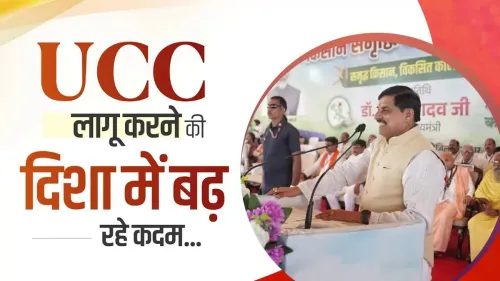
MP UCC Bill: CM Mohan Yadav cites 3.5 crore consultations, hits back at Congress
Synopsis
Madhya Pradesh became only the second Indian state to pass a Uniform Civil Code law, and CM Mohan Yadav is going on the offensive — citing outreach to 3.5 crore citizens as proof of public mandate. With Congress calling it an ideological project and legal challenges expected, the real battle for the UCC may be just beginning.
Key Takeaways
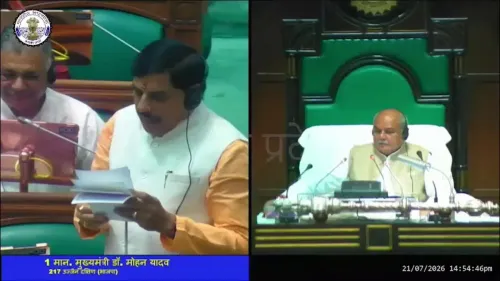
The Madhya Pradesh Assembly passed the Uniform Civil Code (UCC) Bill on Wednesday, 23 July after a marathon debate.
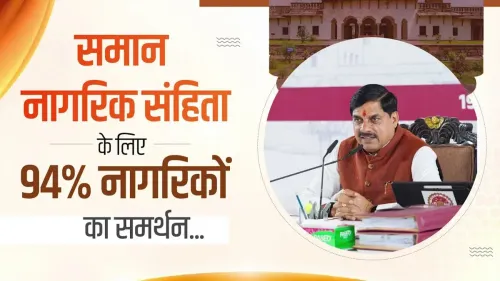
CM Mohan Yadav claimed the government consulted 3.5 crore people and received 10 lakh suggestions before drafting the Bill.
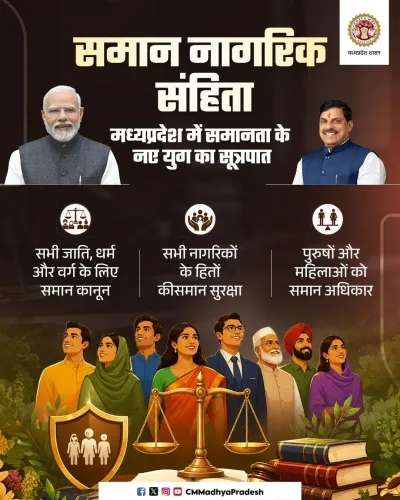
The UCC would bring marriage, divorce, maintenance, succession, and inheritance under a single legal framework for all communities.
The Congress opposed the Bill, alleging it reflects BJP's ideological agenda rather than genuine legal reform.
Madhya Pradesh is the second state after Uttarakhand to legislate on the UCC; the Bill now awaits the Governor's assent.
Legal challenges are widely anticipated once the law comes into force.
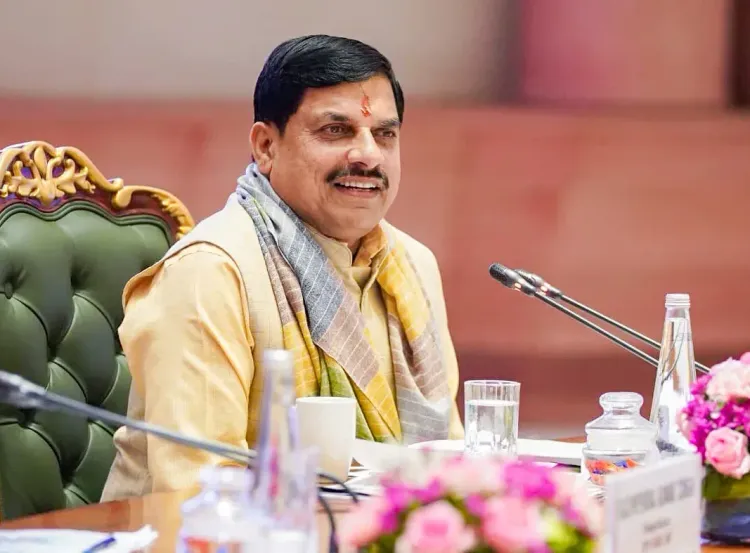
Madhya Pradesh Chief Minister Mohan Yadav on Thursday, 24 July mounted a robust defence of the state's newly passed Uniform Civil Code (UCC) Bill, asserting that the legislation carried a clear public mandate and would guarantee equal rights for every citizen regardless of religious affiliation. His remarks came a day after the Madhya Pradesh Assembly passed the Bill following a marathon debate.
The Public Consultation Claim
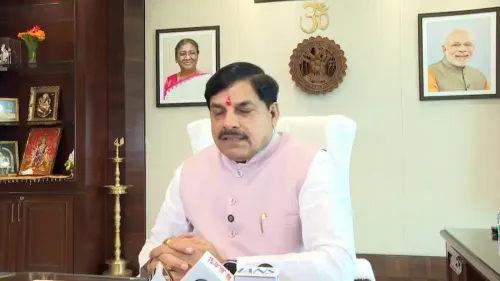
Addressing reporters during his visit to Indore, CM Yadav said the state government had conducted extensive outreach before tabling the legislation. 'We reached out to more than 3.5 crore people across the state and received around 10 lakh suggestions. The legislation has been drafted after taking public opinion into account and is aimed at ensuring equal rights for every citizen,' he said.
The scale of the claimed consultation — 3.5 crore citizens contacted — is among the largest cited for any state-level legislative exercise in recent years, though independent verification of the figure has not been reported.
What the UCC Would Change
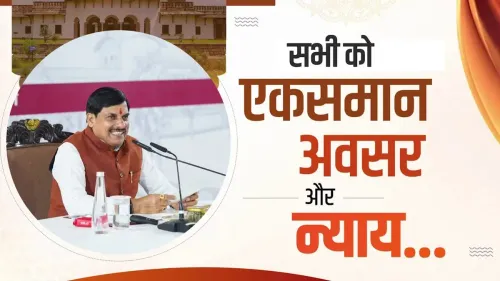
Under the proposed framework, matters including marriage, divorce, maintenance, succession, and inheritance would be governed by a single legal code applicable to all communities. 'The law will apply equally to Hindus, Muslims, Christians, Parsis and all other communities. It is a step towards ensuring equality before law and protecting the rights of every citizen,' CM Yadav said.
The ruling Bharatiya Janata Party (BJP) has described the Bill as a landmark reform advancing uniform civil laws and gender justice. Critics, however, argue that the measure's practical implications for minority personal law remain unclear pending detailed rules.
Congress Opposition and the Political Fault Line
The Indian National Congress opposed the Bill in the Assembly, alleging it was driven by the BJP's ideological agenda rather than genuine legal reform, and that it failed to reflect India's pluralistic traditions. The party has accused the BJP of deploying the UCC as a political instrument ahead of electoral cycles — a charge the ruling party rejects.
This is the latest flashpoint in a long-running national debate over the UCC, which has been a plank of the BJP's manifesto since the 1990s. Uttarakhand became the first state to pass a UCC law in 2024, making Madhya Pradesh the second state to legislate on the subject.
Freedom Fighters and the Modi Connection
CM Yadav invoked the legacy of independence-era revolutionaries to frame the legislation in nationalist terms. 'Revolutionaries such as Chandrashekhar Azad and Bhagat Singh dreamt of an India where every citizen would enjoy equal opportunities and live under one common law. Under the leadership of Prime Minister Narendra Modi, that vision is becoming a reality,' he said.
The chief minister also inaugurated a lane of the Lav Kush Level-2 Bridge in Indore during his visit, describing the double-decker structure as a marker of the city's infrastructure progress.
What Comes Next
The Bill now awaits the Governor's assent before it can become law. Implementation rules and the administrative machinery for enforcing a common civil code across Madhya Pradesh's diverse population are yet to be detailed publicly. Legal challenges before the courts are widely anticipated, given the constitutional questions the UCC raises around personal law and religious freedom.
Point of View
Framed, and narrated for maximum ideological effect ahead of the electoral calendar. The 3.5-crore consultation claim is striking, but without independent audit, it functions more as political legitimacy than verifiable process. More substantively, the gap between passing a UCC and operationalising one is enormous: Uttarakhand passed its law in 2024 and is still working through implementation. The real test for Madhya Pradesh will not be the Assembly vote but the rule-making that follows — and whether it can withstand constitutional scrutiny on personal law and Article 25 grounds.
NationPress
21 Oct 2026
Frequently Asked Questions
What is the Madhya Pradesh UCC Bill?
The Madhya Pradesh Uniform Civil Code Bill is a legislation passed by the state Assembly on 23 July that seeks to bring matters such as marriage, divorce, maintenance, succession, and inheritance under a single legal framework applicable to all citizens regardless of religion. It now awaits the Governor's assent before becoming law.
Why is the Congress opposing the UCC Bill in Madhya Pradesh?
The Indian National Congress has opposed the Bill, arguing it is driven by the BJP's ideological agenda and does not reflect India's pluralistic traditions. The party alleges the legislation is being used as a political tool rather than a genuine effort at legal reform.
How many people were consulted before the MP UCC Bill was drafted?
Chief Minister Mohan Yadav claimed the state government reached out to more than 3.5 crore people and received around 10 lakh suggestions. Independent verification of these figures has not been reported.
Which other state has passed a UCC law?
Uttarakhand became the first Indian state to pass a Uniform Civil Code law in 2024, making Madhya Pradesh the second state to legislate on the subject.
What happens next after the MP Assembly passed the UCC Bill?
The Bill requires the Governor's assent to become law. Detailed implementation rules are yet to be made public, and legal challenges before the courts are widely expected given the constitutional questions the UCC raises around personal law and religious freedom.