MP CM Mohan Yadav: 94% Back UCC in State Consultation
Synopsis
Madhya Pradesh CM Dr. Mohan Yadav announced on 19 July 2026 that a statewide public consultation on the Uniform Civil Code recorded approximately 94 percent citizen support. The BJP-led state government is expected to use this outcome to advance UCC legislation, following Uttarakhand's landmark 2024 enactment.
Key Takeaways
The Chief Minister's Office of Madhya Pradesh announced on 19 July 2026 that a broad public consultation on the Uniform Civil Code has concluded.
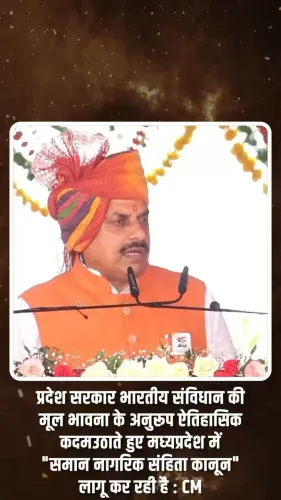
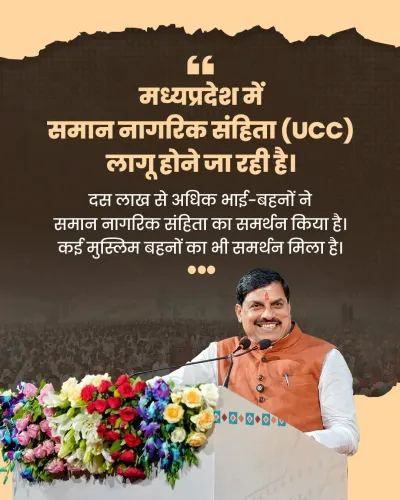
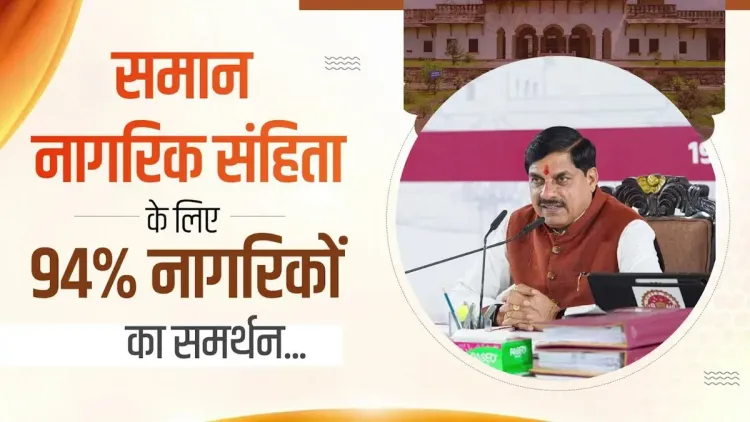
Mohan Yadav stated that approximately 94 percent of participating citizens expressed support for the UCC.
The consultation was conducted statewide, inviting suggestions from citizens across Madhya Pradesh .
Uttarakhand enacted India's first state-level UCC in February 2024 , setting the precedent that Madhya Pradesh appears to be following.
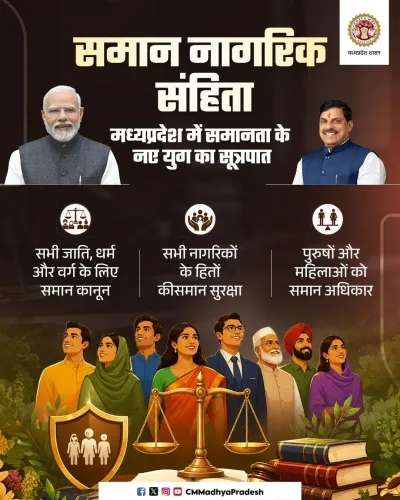
The UCC seeks to replace religion-specific personal laws on marriage, divorce, inheritance, and adoption with a single uniform framework under Article 44 of the Constitution.
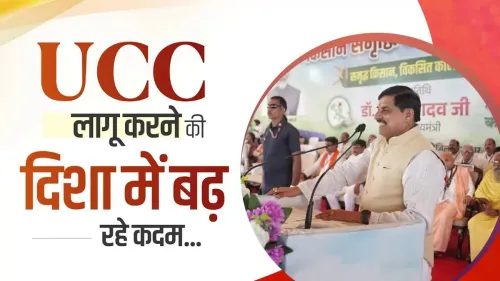
The next key milestone is a potential UCC bill introduction in the Madhya Pradesh state assembly.
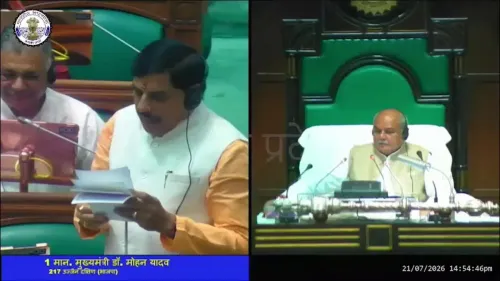
The Chief Minister's Office of Madhya Pradesh announced on Sunday, 19 July 2026, that a statewide public consultation on the Uniform Civil Code (UCC) has concluded, with Chief Minister Dr. Mohan Yadav stating that approximately 94 percent of participating citizens expressed support for the proposed law.
Context
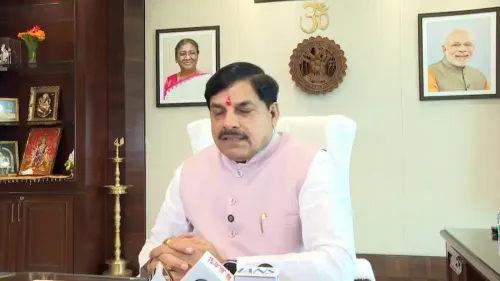
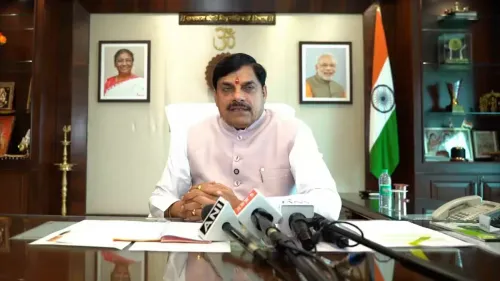
Speaking on the outcome of the consultation, CM Dr. Mohan Yadav said: 'Samaan Nagarik Sanhita' (Uniform Civil Code) ke sambandh mein vyapak jan-paramarsh ke madhyam se suggestions were invited from citizens across the state, and in this process, nearly 94 percent of citizens expressed their support in favour of this law. The consultation was conducted across Madhya Pradesh and was framed as a broad public outreach exercise to gauge citizen sentiment before any legislative move.
Policy Backdrop
Article 44 of the Indian Constitution lists a Uniform Civil Code among the Directive Principles of State Policy, directing the State to endeavour to secure uniform personal laws on matters such as marriage, divorce, inheritance, and adoption for all citizens regardless of religion. The provision has remained aspirational since 1950, with personal laws continuing to vary across religious communities.
Uttarakhand became the first Indian state to enact a UCC law in February 2024, following its own drafting committee process and public consultation. That legislation brought Uttarakhand's personal laws on marriage, divorce, and inheritance under a single uniform framework. Madhya Pradesh's consultation process appears to follow a similar pre-legislative outreach model, with the BJP-led state government signalling intent to pursue comparable reform.
Stakeholders and Impact
The UCC debate touches a wide range of stakeholders across Madhya Pradesh, including residents from diverse religious communities, women's rights organisations, and legal practitioners. Proponents argue that a uniform code would standardise protections — particularly for women — on matters of marriage, divorce, and inheritance that currently differ under Hindu, Muslim, Christian, and other personal laws. Critics and minority community groups have historically raised concerns about the impact on religious and cultural practices, making the public consultation process a politically and socially significant step.
Women's groups have been among the most engaged voices in UCC discussions nationally, citing unequal divorce and inheritance provisions under existing personal laws as a key motivation for reform. The reported 94 percent support figure, as stated by CM Dr. Mohan Yadav, will be scrutinised by all sides as the state determines its next legislative steps.
What's Next
The announcement of the consultation outcome positions the Madhya Pradesh government to move toward drafting or introducing a UCC bill in the state assembly. Observers will watch whether the state constitutes a dedicated drafting committee — as Uttarakhand did — or pursues a faster legislative track. Any state-level UCC legislation would also intersect with ongoing national discussions, including deliberations at the central government level on whether a nationwide UCC framework is feasible. The Madhya Pradesh assembly's next session and any formal bill introduction will be the immediate markers to watch.
Point of View
Positioning the state as the next BJP-ruled government to move from consultation to legislation on an issue that sits at the heart of the party's ideological agenda. By framing the outcome in terms of citizen mandate, CM Dr. Mohan Yadav is building a democratic legitimacy argument for what is, in practice, a deeply contested legal reform. The move mirrors Uttarakhand's 2024 playbook almost precisely, suggesting a coordinated state-by-state legislative strategy rather than an isolated initiative. How the Madhya Pradesh assembly and civil society respond to the consultation's claimed numbers will shape the political temperature around UCC nationally ahead of any central government move.
NationPress
18 Oct 2026
Frequently Asked Questions
What is the Uniform Civil Code and why is Madhya Pradesh consulting on it?
The Uniform Civil Code (UCC) is a proposed set of uniform personal laws covering marriage, divorce, inheritance, and adoption that would apply equally to all citizens regardless of religion. Madhya Pradesh conducted a statewide public consultation to gauge citizen support before any legislative action, following the model set by Uttarakhand, which enacted India's first state-level UCC in February 2024.
What did CM Mohan Yadav say about the UCC consultation results?
CM Dr. Mohan Yadav stated on 19 July 2026 that approximately 94 percent of citizens who participated in the statewide public consultation expressed support for the Uniform Civil Code.
Has any Indian state already implemented the Uniform Civil Code?
Yes. Uttarakhand became the first Indian state to enact a UCC law in February 2024, bringing personal laws on marriage, divorce, and inheritance under a single uniform framework for all residents.
What happens next after Madhya Pradesh's UCC consultation?
The government is expected to use the consultation outcome to advance a UCC bill in the Madhya Pradesh state assembly. Observers are watching for the formation of a drafting committee or a direct bill introduction in the assembly's next session.
Does the Indian Constitution mandate a Uniform Civil Code?
Article 44 of the Indian Constitution lists the UCC as a Directive Principle of State Policy, directing the State to endeavour to secure uniform civil laws for all citizens. It is aspirational in nature and has not been made a fundamental right, which is why implementation has remained a subject of political and legislative debate since 1950.