CM Mohan Yadav Signals UCC Push in Madhya Pradesh
Synopsis
The Chief Minister's Office of Madhya Pradesh signalled a major step toward implementing the Uniform Civil Code on 24 July 2026, tagging CM Dr. Mohan Yadav. The move follows Uttarakhand's 2024 UCC law and reflects the BJP's long-standing push to replace religion-based personal laws with a common civil framework for all citizens.
Key Takeaways
The Chief Minister's Office of Madhya Pradesh announced on 24 July 2026 a significant step toward implementing the Uniform Civil Code (UCC) in the state.
Mohan Yadav was directly tagged in the official announcement, indicating his personal ownership of the initiative.
The UCC is enshrined in Article 44 of the Indian Constitution as a Directive Principle of State Policy.
Uttarakhand became India's first state to pass a UCC law in February 2024 , providing a legislative template for other BJP-ruled states.
The BJP has included UCC implementation in its national election manifestos since the 1990s .
Key stakeholders include women , religious communities, and legal bodies; a formal bill in the Madhya Pradesh assembly and potential court challenges are the next milestones to watch.
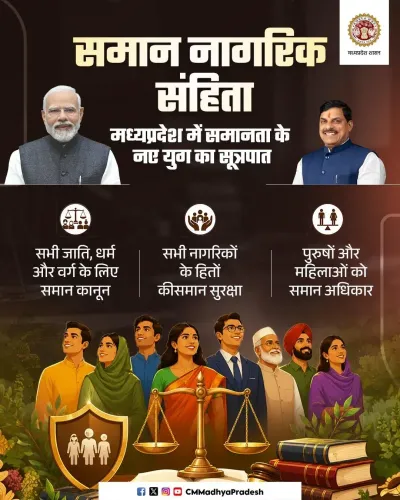
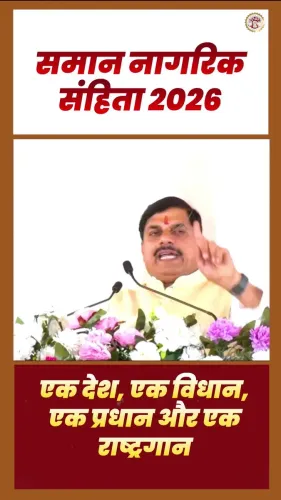
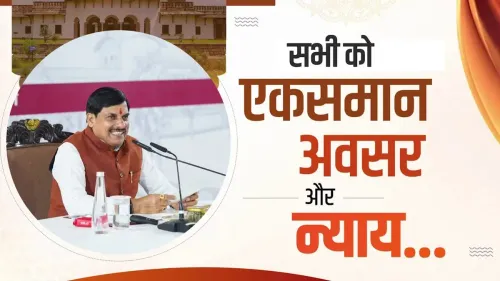
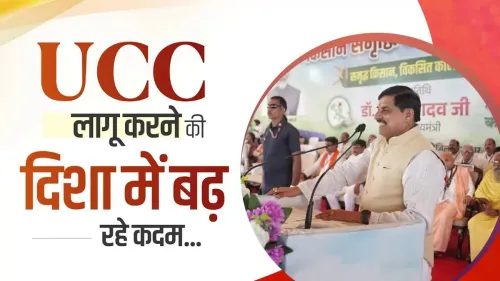
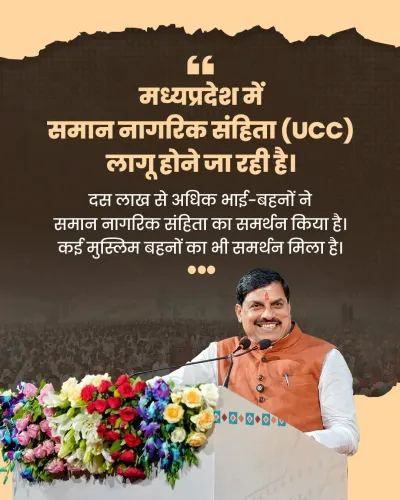
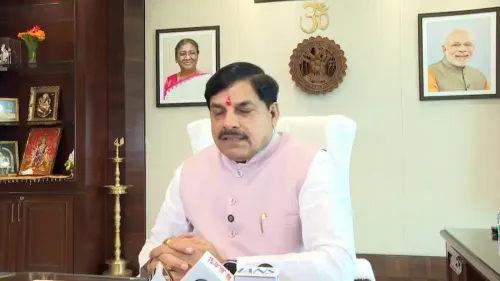
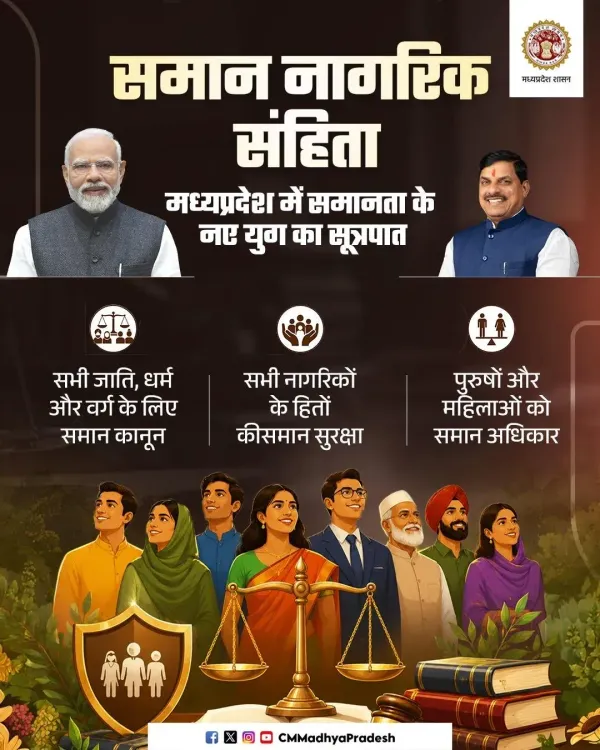
The Chief Minister's Office of Madhya Pradesh announced on Friday, 24 July 2026, that the state is taking a significant step toward equal rights and uniform law for all citizens — signalling a formal move to implement the Uniform Civil Code (UCC) in the state under Chief Minister Dr. Mohan Yadav.
The post, shared from the official CMO handle, read: 'समान नागरिक संहिता — मध्यप्रदेश में समान अधिकार और समान कानून की दिशा में एक महत्वपूर्ण कदम' ('Uniform Civil Code — an important step toward equal rights and equal law in Madhya Pradesh'), tagging Dr. Mohan Yadav directly.
Context
The Uniform Civil Code refers to a common set of personal laws — governing marriage, divorce, inheritance, and adoption — that would apply to all citizens regardless of their religion. The concept is rooted in Article 44 of the Indian Constitution, which lists it as a Directive Principle of State Policy, directing the state to endeavour to secure such a code for all citizens. Madhya Pradesh, a central Indian state governed by the Bharatiya Janata Party (BJP), has been among the states signalling alignment with this constitutional aspiration. Dr. Mohan Yadav has served as Chief Minister since December 2023, heading an administration focused on legal and social reform.Policy Backdrop
The BJP has included UCC implementation in its national election manifestos since the 1990s, making it one of the party's long-standing ideological commitments. The push gained concrete legislative shape when Uttarakhand became the first Indian state to pass a UCC law in February 2024, setting a precedent for other BJP-ruled states. Following Uttarakhand's legislation, several BJP-governed states signalled their intent to pursue similar frameworks. The Madhya Pradesh CMO's announcement on 24 July 2026 positions the state as the next major player in this evolving legislative landscape. The framing of the move as one toward 'equal rights and equal law' reflects the BJP's consistent argument that a UCC would advance gender equality and national integration by replacing religion-specific personal laws.Stakeholders and Impact
Women are widely regarded as primary beneficiaries of UCC provisions, particularly those related to equal inheritance rights, standardised grounds for divorce, and uniform protections in marriage. Religious communities — including Muslim, Christian, and Hindu personal law adherents — are key stakeholders, as a UCC would replace existing community-specific codes that govern personal matters. Civil society groups and legal experts have historically held divergent views on the UCC: proponents argue it fulfils a constitutional mandate and ensures equal treatment before the law, while critics raise concerns about cultural autonomy and the rights of religious minorities. Any formal legislative process in Madhya Pradesh is likely to draw significant public and judicial scrutiny.What's Next
The immediate question is whether this announcement precedes the introduction of a formal UCC bill in the Madhya Pradesh Legislative Assembly. Observers will watch for the state government to initiate public consultations, constitute a drafting committee, or table legislation in an upcoming assembly session. Any bill passed at the state level could also face constitutional challenges in the courts, as the legislative competence of states to enact a UCC has been a subject of legal debate. The Madhya Pradesh move, if it advances to legislation, would mark a significant escalation in the state-by-state momentum building around one of India's most consequential legal reform debates.Point of View
State-by-state BJP strategy to build legislative momentum around a decades-old manifesto commitment. By invoking the language of 'equal rights and equal law,' the Yadav government is framing a contentious legal reform as a gender-justice and constitutional-duty argument — a framing that has proved effective in neutralising some opposition. The timing, coming over two years after Uttarakhand's landmark 2024 law, suggests the BJP is now confident enough in the legal and political groundwork to push a second major state toward formal legislation. Whether Madhya Pradesh moves swiftly to a bill or proceeds cautiously through consultations will signal how much political capital the party is willing to spend ahead of the next electoral cycle.
NationPress
23 Oct 2026
Frequently Asked Questions
What is the Uniform Civil Code and why is it significant for Madhya Pradesh?
The Uniform Civil Code (UCC) is a proposed common set of personal laws — covering marriage, divorce, inheritance, and adoption — that would apply to all Indian citizens regardless of religion. It is significant for Madhya Pradesh because the state government announced on 24 July 2026 that it is taking a major step toward implementing it, making MP one of the first BJP-ruled states to formally signal such a move after Uttarakhand.
Has any Indian state already implemented the Uniform Civil Code?
Yes. Uttarakhand became the first Indian state to pass a UCC law in February 2024, setting a legislative precedent. Madhya Pradesh's July 2026 announcement suggests it may become the next state to pursue similar legislation.
What does Article 44 of the Indian Constitution say about the UCC?
Article 44 is a Directive Principle of State Policy that directs the state to endeavour to secure a Uniform Civil Code for all citizens. While not enforceable in court, it has served as the constitutional basis for UCC advocacy since 1950.
Who is Dr. Mohan Yadav and what is his role in the UCC push?
Dr. Mohan Yadav is the Chief Minister of Madhya Pradesh, serving since December 2023. He was directly tagged in the official CMO announcement on 24 July 2026, indicating he is personally leading the state's Uniform Civil Code initiative.
What happens next after Madhya Pradesh's UCC announcement?
The key next steps include the possible introduction of a formal UCC bill in the Madhya Pradesh Legislative Assembly, public consultations, and the formation of a drafting committee. Any legislation passed could also face legal challenges in the courts regarding states' competence to enact a UCC.