Madhya Pradesh's Chief Minister Unveils Agri-Tech Vision at Krishi Manthan in Jabalpur
Synopsis
On April 8, Madhya Pradesh Chief Minister Mohan Yadav launched a transformative vision for agriculture during the Krishi Manthan workshop, emphasizing technology integration and market linkages, alongside significant project announcements.
Key Takeaways
Integration of technology in agriculture is a priority for the Madhya Pradesh government.
The Krishi Manthan workshop aims to connect farmers with scientific and policy support.
Madhya Pradesh is a leading state in pulses and wheat production.
Wheat procurement price is set to start at Rs 2,625 per quintal.
The government is committed to doubling farmers' income and increasing milk production rates.
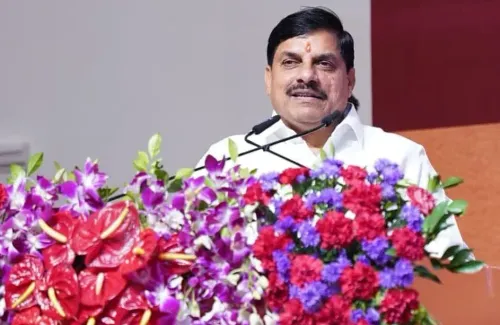
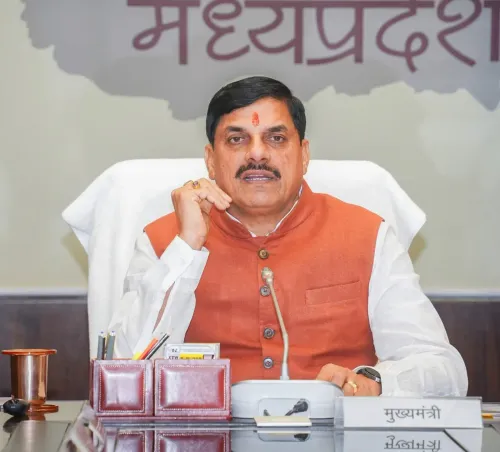
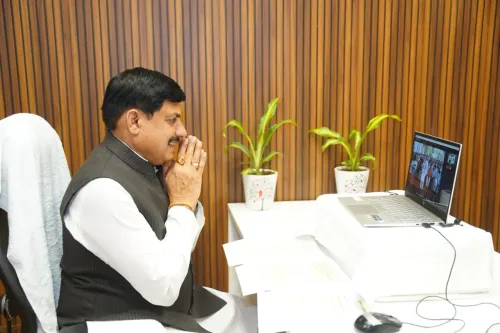
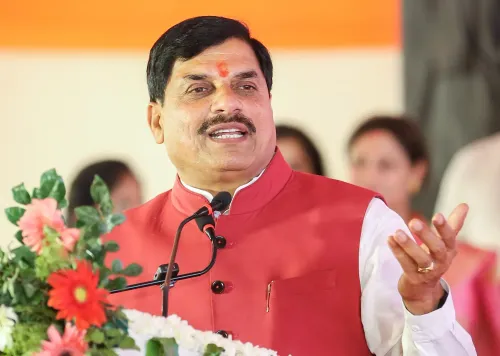
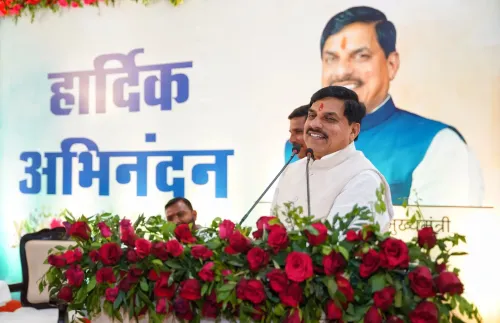
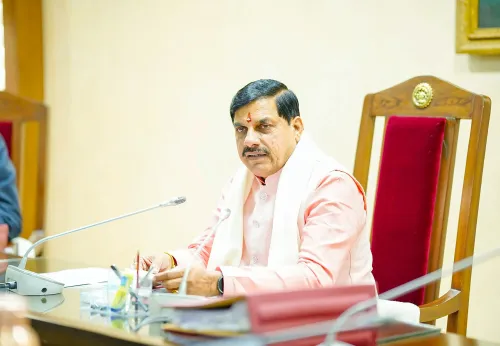
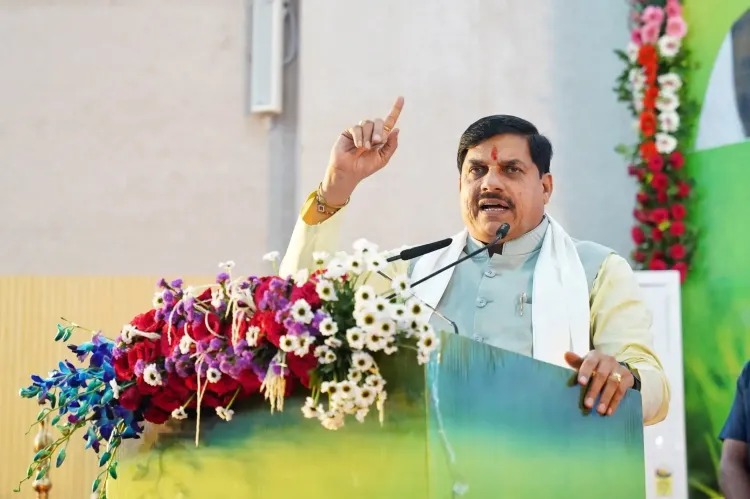
Jabalpur, April 8 (NationPress) The Chief Minister of Madhya Pradesh, Mohan Yadav, presented an ambitious strategy aimed at transforming agriculture into a more profitable and technology-centric sector during the inauguration of the ‘Krishi Manthan’ workshop at Jawaharlal Nehru Agricultural University in Jabalpur.
Speaking to farmers, researchers, and various stakeholders, Yadav highlighted the state government's commitment to merging modern technology, innovative farming practices, and improved market connections to enhance the agricultural economy.
He tied the state’s advancement to the national growth narrative under PM Modi, asserting that agriculture remains a pivotal element in India's progress across different sectors.
Yadav underscored that agriculture in Madhya Pradesh is not merely a means of livelihood but a tradition deeply entwined with nature, referencing India’s extensive agricultural history and its cultural importance.
The workshop is designed to unite farmers’ experiences, scientific breakthroughs, and policy assistance on a unified platform.
During the event, the Chief Minister inaugurated development projects worth Rs 23.21 crore, including a Rs 13 crore administrative building at the university, an administrative facility at the Bohani Sugarcane Research Centre, a skill development center in Balaghat, and an automated liquid bio-fertiliser production unit in Jabalpur.
In a bid to foster agri-startups, Yadav distributed approval letters valued at over Rs 10 crore to 10 startups backed by the Government of India. He also introduced the ‘Krishi Sakhi’ training program and provided benefits to farmers through various government initiatives.
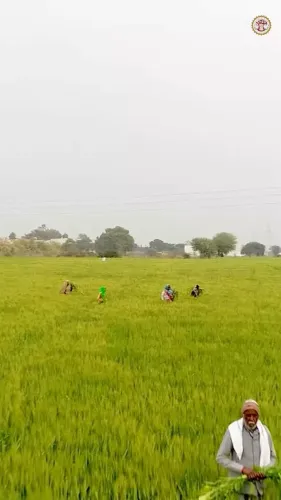
Highlighting the state’s production milestones, the Chief Minister stated that Madhya Pradesh has established itself as a leading state in pulses and has achieved impressive wheat production figures.
He announced that wheat procurement will commence on April 9, with farmers set to receive Rs 2,625 per quintal, while there are ongoing efforts to increase the rate to Rs 2,700.
Yadav reiterated the government’s dedication to doubling farmers’ income by expanding into allied sectors such as dairy, horticulture, and food processing.
The state aims to boost its share of national milk production from the current 9 percent to 20 percent.
Point of View
This initiative holds potential for significant economic impact, aligning with national growth objectives.
NationPress
16 Oct 2026
Frequently Asked Questions
What is the purpose of the Krishi Manthan workshop?
The Krishi Manthan workshop aims to integrate farmers' experiences with scientific advancements and policy support to enhance agricultural practices.
What projects were inaugurated during the event?
Projects worth Rs 23.21 crore were inaugurated, including an administrative building at the university and a skill development center in Balaghat.
How much will farmers receive for wheat procurement?
Farmers will receive Rs 2,625 per quintal, with efforts to raise the price to Rs 2,700.
What is the goal for milk production in Madhya Pradesh?
The state aims to increase its contribution to national milk production from 9 percent to 20 percent.
What support is being provided to agri-startups?
Approval letters worth over Rs 10 crore were distributed to 10 agri-startups funded by the Government of India.