Madhya Pradesh Government Promotes Eco-Friendly Holi with Cow Dung Materials
Synopsis
In a bid to promote sustainable festivities, the Madhya Pradesh government has mandated registration for Holika Dahan events and encourages the use of cow dung in place of traditional wood. This initiative aims to foster environmental awareness while celebrating Holi.
Key Takeaways
The Madhya Pradesh government mandates registration for Holika Dahan events.
Organizations are encouraged to use cow dung materials instead of traditional wood.
There will be state-level honor ceremonies for eco-friendly efforts.
Public participation in clean Holi practices is promoted.
Compliance verification will occur post-event to ensure adherence to directives.
Bhopal, Feb 27 (NationPress) The government of Madhya Pradesh has issued a notable directive mandating all divisional commissioners to oversee the registration of “Holika Dahan” events.
This directive requires responsible officials to gather contact numbers, a brief description of the organizing bodies, and a list of their office bearers.
Furthermore, the order encourages these officials to motivate organizations to substitute traditional firewood with cow dung sticks (goukasht) and cow dung patties (uplas) to mitigate deforestation and promote sustainability.
The Madhya Pradesh government has released guidelines aimed at fostering eco-friendly celebrations for the upcoming Holi festival, underscoring the use of cow dung-based materials for Holika Dahan, as articulated in the order issued in Hindi.
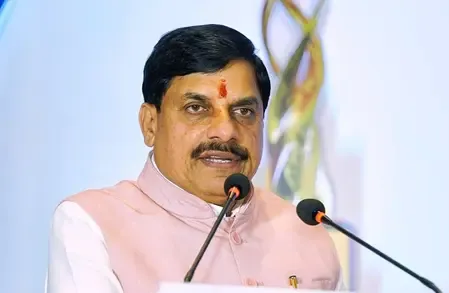
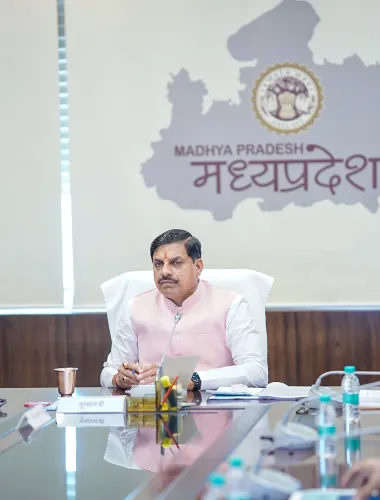
In recognition of these efforts, state-level honor ceremonies will take place at district headquarters, where participating organizations and their leaders will be awarded commendation certificates from Chief Minister Mohan Yadav for their contributions to environmental conservation.
All divisional commissioners and district collectors have been instructed to promote public involvement in practices supporting a “clean and healthy Holi.” Collectors will compile lists of such eco-friendly initiatives. The government has also promised future incentives or support for these organizations on a priority basis. This highlights the significance of brotherhood, social unity, and joy while minimizing environmental damage.
Key recommendations include the use of natural and herbal colors to conserve water, refraining from using colors on animals and birds, and avoiding unruly behavior to maintain a spirit of harmony during the festivities.
To advocate for goukasht-based Holika Dahan, the government has developed a structured action plan. Districts are required to facilitate free registration for public Holika Dahan events at tehsil, panchayat, and urban body levels, with comprehensive publicity through media and local organizations.
Details about the organizers, including office bearers and contact information, will be collected during the registration process.
On the day of Holika Dahan, field staff will visit these events to encourage the utilization of “goukasht” instead of timber.
Within two to three days after the event, local officials in both urban and rural settings must verify compliance and submit reports to district collectors. This initiative aligns with the “Abhyuday Madhya Pradesh” campaign, which strives to enhance local awareness and implementation.
Divisional commissioners are responsible for ensuring compliance, while collectors are to guarantee the success of the “Swachh aur Swasth Holi” initiative throughout the state.
The directive also reaches relevant departments, such as Environment, Urban Development, and Panchayat and Rural Development, to ensure coordinated action.
Point of View
The recent directive from the Madhya Pradesh government reflects a growing trend towards environmental consciousness within cultural celebrations. By encouraging the use of cow dung for Holika Dahan, the government aims to merge tradition with sustainability, promoting community engagement and environmental protection.
NationPress
3 Oct 2026
Frequently Asked Questions
What is Holika Dahan?
Holika Dahan is a traditional Hindu ritual celebrated on the eve of Holi, symbolizing the victory of good over evil.
Why is cow dung being promoted for Holika Dahan?
Cow dung is being promoted to minimize deforestation and promote sustainability during Holi celebrations.
How can organizations register for Holika Dahan events?
Organizations can register their Holika Dahan events through divisional commissioners and district collectors as per the government's directive.
What incentives are being offered for eco-friendly initiatives?
The government promises future incentives or support for organizations that promote eco-friendly practices during Holi.
What are the recommendations for a healthy Holi celebration?
Recommendations include using natural colors, avoiding colors on animals, and maintaining a peaceful atmosphere during celebrations.