Madras HC rejects Senthil Balaji's anticipatory bail in TASMAC graft case
Synopsis
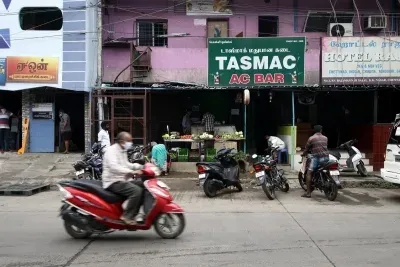
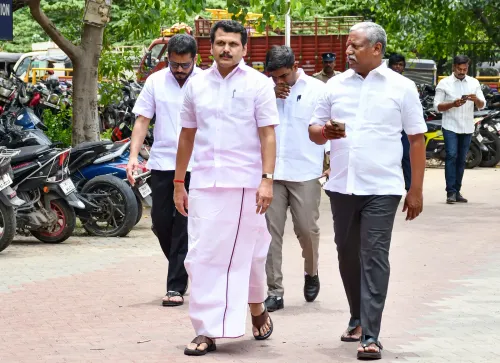
The Madras High Court has shut the door on pre-arrest protection for DMK MLA Senthil Balaji in the TASMAC corruption case, ruling that the seriousness of the allegations demands custodial interrogation. With a DVAC FIR covering four years of alleged financial misconduct and six co-accused, Balaji now faces imminent arrest — a significant political flashpoint for the DMK government.
Key Takeaways
The Madras High Court on 30 July rejected V.
Senthil Balaji's anticipatory bail plea in the TASMAC corruption case.
Ilanthiraiyan ruled that custodial interrogation was necessary given the gravity of the allegations.
The DVAC FIR, registered on 28 July , covers alleged irregularities in TASMAC between 2021 and 2025 .
Charges include criminal conspiracy, breach of trust, cheating, falsification of records, and corruption under the Prevention of Corruption Act .
Balaji allegedly conspired with six others , including distillery companies, transport contractors, and TASMAC officials.
Balaji denied all charges, calling the case politically motivated; his legal team is expected to appeal the ruling.
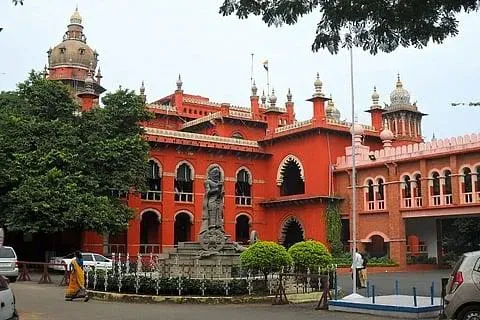
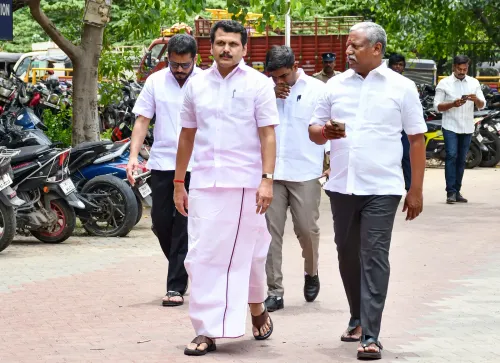
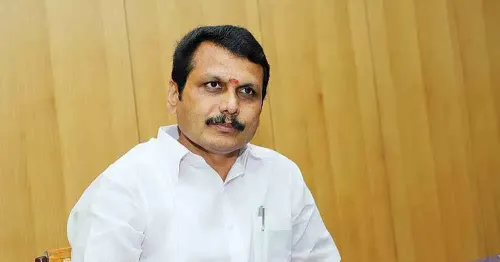
The Madras High Court on Thursday, 30 July rejected the anticipatory bail plea of former Tamil Nadu Minister and Dravida Munnetra Kazhagam (DMK) MLA V. Senthil Balaji in a Directorate of Vigilance and Anti-Corruption (DVAC) case alleging large-scale corruption in the Tamil Nadu State Marketing Corporation (TASMAC). Justice G.K. Ilanthiraiyan held that the gravity of the allegations necessitated custodial interrogation, clearing the way for a potential arrest.
Court's Reasoning
Dismissing the plea, the court observed that the case involved serious charges of large-scale corruption and that the prosecution's claims — that the accused had allegedly abused official positions, entered into criminal conspiracy, and caused substantial financial loss to the state exchequer — warranted a thorough custodial investigation. The bench concluded that the grounds raised by the defence did not outweigh the need for a rigorous probe.
What the FIR Alleges
The DVAC registered the FIR on 28 July against Balaji and several others over alleged irregularities in TASMAC between 2021 and 2025, the period during which he served as Minister for Electricity, Prohibition and Excise. The FIR invokes provisions of the Indian Penal Code, the Bharatiya Nyaya Sanhita, and the Prevention of Corruption Act, covering charges of criminal conspiracy, criminal breach of trust, cheating, falsification of records, and corruption.
According to the prosecution, Balaji allegedly conspired with six others — including private individuals, distillery and brewery companies, transport contractors, bottling firms, and unidentified TASMAC officials — to manipulate official processes and misappropriate public funds. Investigators further alleged that the scheme enabled the laundering of illicit money while inflicting significant losses on the state.
Balaji's Defence
Seeking pre-arrest bail, Balaji denied all allegations, contending that the FIR rested on vague and omnibus accusations that failed to identify any specific tender, contract, or transaction linking him to the alleged offences. He also claimed the case was politically motivated, reportedly registered due to hostility from the ruling establishment following the Karur stampede controversy.
Senior Advocate N.R. Elango, appearing for Balaji, argued that TASMAC functioned as an independent corporation and that the Minister had no role in awarding tenders or overseeing its day-to-day operations. He also submitted that earlier Enforcement Directorate (ED) searches at TASMAC offices were already under challenge before the Supreme Court, where related proceedings remain pending.
Background and What Comes Next
This is not the first time Balaji has faced legal scrutiny. He was previously arrested by the ED in a separate cash-for-jobs case in 2023 and spent months in custody before being granted bail. The fresh DVAC case, covering a longer alleged conspiracy window of 2021–2025, adds a new layer of legal jeopardy. With anticipatory bail now denied, Balaji faces the prospect of arrest and custodial questioning. His legal team is expected to challenge the ruling before a higher bench or the Supreme Court.
Point of View
And the involvement of private distilleries and transport contractors points to a systemic, not merely individual, allegation. Balaji's 'politically motivated' defence echoes his 2023 ED arrest narrative, which courts did not accept then either. The Supreme Court angle — pending ED-related proceedings — adds a jurisdictional subplot that his team will likely exploit. The harder question is whether the DMK government, which has positioned itself on anti-corruption credentials, can contain the political damage if a second arrest of Balaji proceeds.
NationPress
13 Sept 2026
Frequently Asked Questions
Why did the Madras High Court reject Senthil Balaji's anticipatory bail?
The court held that the seriousness of the corruption allegations and the need for a thorough investigation outweighed the grounds raised by the defence. Justice G.K. Ilanthiraiyan specifically noted that custodial interrogation was necessary to unravel the alleged conspiracy and financial irregularities in TASMAC.
What is the TASMAC corruption case against Senthil Balaji?
The DVAC registered an FIR on 28 July against Balaji and six others over alleged irregularities in the Tamil Nadu State Marketing Corporation between 2021 and 2025, when he served as Minister for Electricity, Prohibition and Excise. The charges include criminal conspiracy, breach of trust, cheating, falsification of records, and corruption under the Prevention of Corruption Act.
Who are the other accused in the TASMAC case?
Besides Balaji, six others are named, including private individuals, distillery and brewery companies, transport contractors, bottling firms, and unidentified TASMAC officials, who allegedly conspired to manipulate official processes and misappropriate public funds.
What happens now that anticipatory bail has been denied?
With pre-arrest protection denied, Balaji faces the possibility of arrest by the DVAC. His legal team is widely expected to challenge the Madras High Court ruling before a higher bench or approach the Supreme Court for relief.
Has Senthil Balaji faced legal trouble before?
Yes. Balaji was arrested by the Enforcement Directorate in 2023 in a separate cash-for-jobs case and spent several months in custody before being granted bail. The new DVAC case is distinct but adds to his ongoing legal challenges.