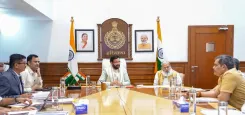
Maharashtra scraps loan waiver curbs on ₹36,585 crore scheme, claims Rohit Pawar
Synopsis
What began as a ₹36,585 crore relief package for 56 lakh Maharashtra farmers was quietly being hollowed out by conditions that would have excluded over 35 lakh of them. It took a hunger strike in Pandharpur, a mass march in Chhatrapati Sambhajinagar, a legislative ultimatum, and a government no-show at its own scheduled meeting to force Chief Minister Fadnavis to announce the rollback on the floor of the House.
Key Takeaways
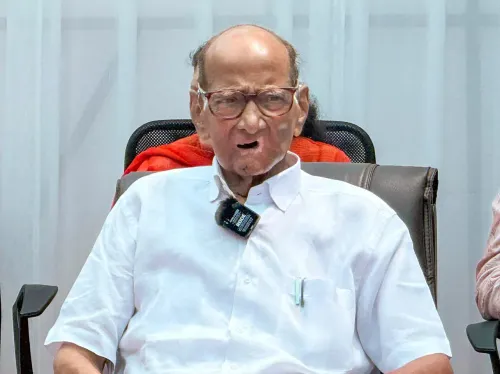
The Maharashtra government has scrapped restrictive conditions tied to the Punyashlok Ahilyadevi Holkar Loan Waiver Scheme , according to NCP-SP legislator Rohit Pawar .
The scheme, announced on 2 June , covers a ₹36,585 crore outlay intended for nearly 56 lakh farmers .
Original conditions risked excluding more than 35 lakh farmers , including a ₹50,000 cap on those who had availed the 2019 waiver.
Farmer agitation included a hunger strike in Pandharpur (12–14 June) and the Elgar Morcha in Chhatrapati Sambhajinagar on 29 June .
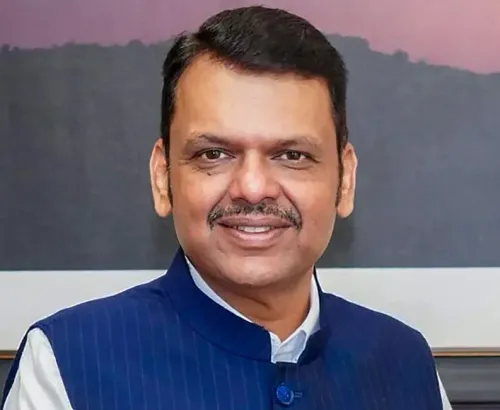
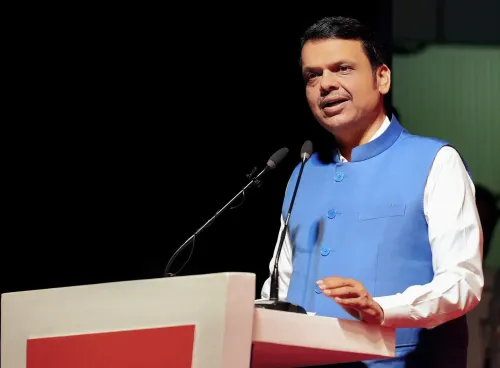
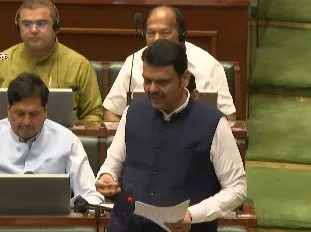
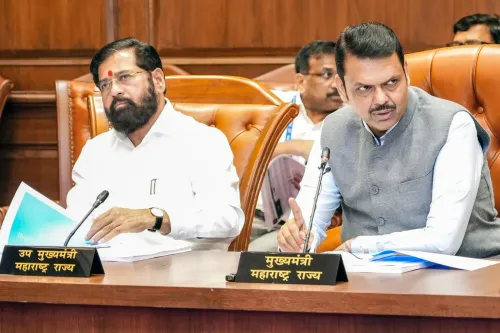
Chief Minister Devendra Fadnavis announced the repeal of the contested conditions on the floor of the Legislative Assembly .
A formal revised notification detailing the amended eligibility criteria is yet to be issued by the state government.
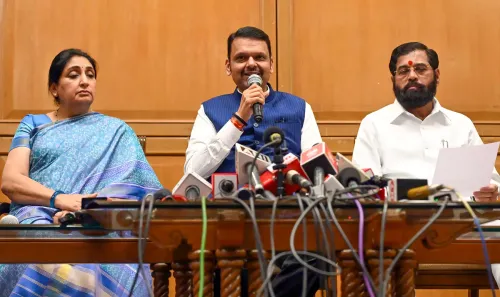
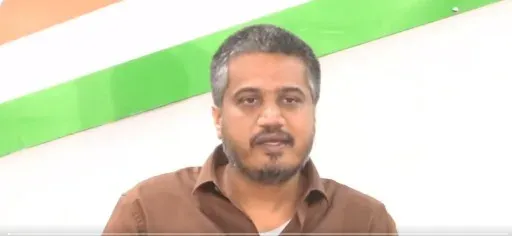
Nationalist Congress Party-Sharadchandra Pawar (NCP-SP) legislator Rohit Pawar on Saturday, 11 July declared that the Maharashtra government's move to withdraw the restrictive conditions attached to the Punyashlok Ahilyadevi Holkar Loan Waiver Scheme represents a decisive victory for farmers across the state. The development, he said, was won through sustained agitation by farming communities, political leaders, and civil society organisations.
The Scheme and Its Original Conditions
The Maharashtra government had on 2 June announced a ₹36,585 crore loan waiver aimed at benefiting nearly 56 lakh farmers. However, according to Pawar, the scheme as originally framed carried conditions so restrictive that more than 35 lakh farmers risked being entirely excluded from its benefits.
Two conditions drew particular criticism. First, farmers who had previously availed relief under the 2019 loan waiver were capped at a maximum benefit of just ₹50,000 — a ceiling Pawar described as 'inherently unjust' given the sharp rise in input costs for fertilisers, seeds, labour, and transport since 2019, compounded by the recurring damage from climate events.
Second, the incentive subsidy clause required farmers to have repaid crop loans on time for any two years out of 2022–23, 2023–24, and 2024–25. A further condition then required clearance of loans for 2025–26 and 2026–27 as well. 'This meant farmers effectively had to clear four years of debt just to access the incentive, threatening to leave millions empty-handed,' Pawar said.
Weeks of Farmer Agitation
The rollback followed weeks of escalating pressure. From 12 to 14 June, activists and farmers staged a hunger strike in Pandharpur. The protest was temporarily suspended after Minister Girish Mahajan promised a review meeting — a commitment the government subsequently failed to honour.
On 29 June, thousands of farmers converged on Chhatrapati Sambhajinagar for the Elgar Morcha, a large-scale demonstration that signalled the movement's growing scale. This came after the government's continued silence on the Pandharpur demands.
Legislative Assembly Ultimatum
On 1 July, Pawar and farmer representatives met Chief Minister Devendra Fadnavis, presenting data on how the existing conditions were actively excluding farmers from relief. Meetings were then scheduled for 3 July and 8 July with Pravin Singh Pardeshi, the head of the committee whose recommendations had shaped the waiver framework.
However, when farmer leaders and multi-party representatives arrived on 8 July to push for an unconditional, blanket waiver, government officials did not attend. The administrative no-show prompted repeated interventions on the floor of the Legislative Assembly, culminating in a firm ultimatum to the administration. 'The pressure ultimately paid off when Chief Minister Devendra Fadnavis announced on the floor of the House that the controversial conditions had been officially repealed,' Pawar said.
Reaction and What Comes Next
Pawar closed his press conference by thanking farmers, supporting organisations, political representatives, the media, and police forces who cooperated during the protests. 'Today, the demands of thousands of farmers in the state have succeeded. This is a triumph of absolute farmer unity,' he said.
With the conditions now reportedly lifted, attention shifts to implementation — specifically, whether the ₹36,585 crore outlay will reach the full 56 lakh intended beneficiaries without fresh procedural barriers. The Maharashtra government is yet to issue a formal revised notification detailing the amended eligibility criteria.
Point of View
585 crore scheme announced with fanfare on 2 June required weeks of hunger strikes, a mass march, and a legislative ultimatum to become functional reveals a troubling gap between policy optics and policy design. The rollback is a win for farmer mobilisation, but the absence of a revised formal notification means implementation risk remains. Maharashtra has a history of loan waivers that generate headlines but deliver at a fraction of their stated scale — the real test of this one begins now.
NationPress
10 Oct 2026
Frequently Asked Questions
What is the Punyashlok Ahilyadevi Holkar Loan Waiver Scheme?
It is a Maharashtra government scheme announced on 2 June with a ₹36,585 crore outlay, intended to provide crop loan relief to nearly 56 lakh farmers across the state. The scheme was named after the historical figure Punyashlok Ahilyadevi Holkar.
Why were farmers protesting against the loan waiver scheme?
Despite the scheme's large stated outlay, its original conditions risked excluding more than 35 lakh farmers. Key grievances included a ₹50,000 cap for those who had availed the 2019 waiver and a requirement to have cleared four years of crop loans to access the incentive subsidy.
What protests led to the Maharashtra government backing down?
Farmers and activists held a hunger strike in Pandharpur from 12 to 14 June, followed by the large-scale Elgar Morcha in Chhatrapati Sambhajinagar on 29 June. The issue was then raised repeatedly in the Legislative Assembly, where an ultimatum was delivered to the administration.
What did Chief Minister Devendra Fadnavis announce?
According to NCP-SP legislator Rohit Pawar, Chief Minister Devendra Fadnavis announced on the floor of the Legislative Assembly that the controversial conditions attached to the loan waiver scheme had been officially repealed.
What happens next for Maharashtra farmers?
With the conditions reportedly lifted, the focus shifts to whether the full ₹36,585 crore reaches the intended 56 lakh beneficiaries. The Maharashtra government is yet to issue a formal revised notification detailing the amended eligibility criteria, which will be critical to implementation.