Maharashtra farm loan waiver: 56.24 lakh farmers to get ₹36,585 crore relief
Synopsis
Maharashtra's Mahayuti government is rolling out what it calls the state's largest-ever farm loan waiver — ₹36,585 crore for 56.24 lakh farmers — while simultaneously bracing for an El Niño-hit Kharif season, deploying AI advisory tools, and preparing a landmark Women Farmers Empowerment Bill. The scale is unprecedented; whether delivery matches the announcement is the question.
Key Takeaways
Agriculture Minister Dattatray Bharane announced the Punyashlok Ahilyadevi Holkar Shetkari Karjmukti Yojana — Maharashtra's largest-ever farm loan waiver — worth ₹36,585 crore for 56.24 lakh farmers .
Farmers with dues up to ₹2 lakh receive a full waiver; regular repayers get an additional ₹50,000 incentive bonus.
Relief for 12.71 lakh pending beneficiaries under the MVA-era 2019 loan waiver will be formalised by the Chief Minister shortly.
The government is preparing for a potential drought in Kharif 2026 due to El Niño , promoting BBF sowing, drought-tolerant seeds, and micro-irrigation.
The Krishi Samriddhi Yojana has been launched with a ₹5,000 crore outlay, including ₹2,000 crore for 2026–27 .
The Maharashtra Women Farmers Empowerment Bill is set to be tabled in the current legislative session, coinciding with the UN's International Year of Women Farmers 2026 .
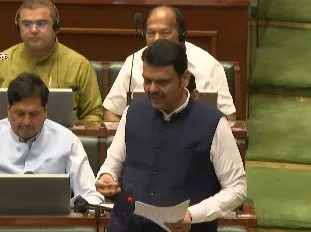
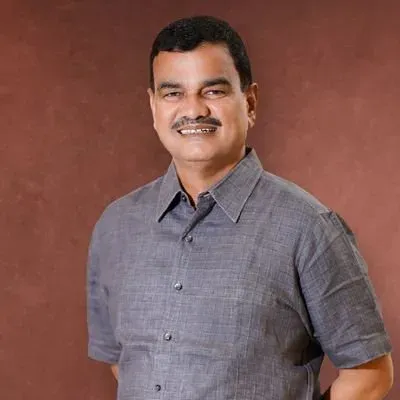
Maharashtra Agriculture Minister Dattatray Bharane on Wednesday, 24 June 2026, told the state Assembly that the Mahayuti government's agricultural agenda is anchored in financial relief, technology adoption, and legal protections for farmers — with the Punyashlok Ahilyadevi Holkar Shetkari Karjmukti Yojana standing out as the largest farm loan waiver in Maharashtra's history, covering 56.24 lakh farmers and disbursing ₹36,585 crore. The minister was responding to a debate under Rule 293 in the Maharashtra Legislative Assembly.
Historic Loan Waiver Scheme
Under the Punyashlok Ahilyadevi Holkar Shetkari Karjmukti Yojana, farmers with total outstanding debt — including interest — of up to ₹2 lakh will receive a full waiver. Those with dues exceeding ₹2 lakh will receive a ₹2 lakh waiver after clearing the remaining balance. Additionally, a ₹50,000 incentive bonus will be extended to farmers who regularly repaid their crop loans in any two of the last three years.
Minister Bharane placed the scheme in historical context, noting it far exceeds earlier waivers: the 2009 scheme (₹4,008 crore), the 2017 Chhatrapati Shivaji Maharaj scheme (₹24,737 crore), and the 2019 Mahatma Jyotirao Phule scheme (₹25,749 crore). He also disclosed that the government has decided to extend relief to 12.71 lakh farmers left pending under the Maha Vikas Aghadi-era Mahatma Jotirao Phule Loan Waiver Scheme of 2019, with the Chief Minister expected to formally announce the decision shortly.
Kharif 2026 Drought Preparedness
Acknowledging the India Meteorological Department (IMD) forecast of below-average rainfall for the Kharif 2026 season due to El Niño, the minister outlined a multi-pronged mitigation strategy. Union Agriculture Minister Shivraj Singh Chouhan reviewed the state's preparedness on 23 June. Farmers have been urged not to rush into sowing until adequate and sustained rainfall is received.
State workshops have been organised with ICAR and CRIDA to promote Broad Bed Furrow (BBF) sowing methods, with government subsidies earmarked for BBF equipment. Short-duration, drought-tolerant seed varieties are being distributed, and over 2,000 farm ponds have been dug over the past two years. Micro-irrigation and mulching are receiving increased emphasis.
Krishi Samriddhi Yojana and Farmer Insurance
To boost capital investment, the government has launched the Krishi Samriddhi Yojana with a total outlay of ₹5,000 crore. For 2026–27, ₹2,000 crore has been earmarked, with the remaining ₹3,000 crore to be raised through supplementary demands. The scheme will fund agricultural drones for fertiliser and pesticide application, village-level Farmer Service Centres, and the organic farming campaign 'Aaple Shet, Aaple Khat'.
The Gopinath Munde Shetkari Apghat Sanugraha Anudan Yojana — which provides ₹2 lakh for accidental death and ₹1 lakh for permanent disability — has been expanded to include farm labourers, responding to a long-standing legislative demand. The government is also reportedly considering adding heatwave-related deaths to the list of eligible compensations. The application process has been shifted entirely online via the MahaDBT portal.
Under the CM Baliraja Free Electricity Scheme, 44.06 lakh farmers are receiving free power for agricultural pumps up to 7.5 HP, backed by a state subsidy of ₹28,357 crore over the last two years.
Technology and Quality Control
The minister said 40 lakh farmers are currently using the Mahavistar AI app, which features an AI-powered chatbot providing real-time advice on weather and crop management, and an automated push-telephony system that has delivered 1.56 crore successful advisory calls to date.
Under Phase 2 of the World Bank-assisted Nanaji Deshmukh Krishi Sanjivani Project — covering 7,201 villages with a ₹6,000 crore investment — Maharashtra has become the first state in India to deploy the Reserve Bank of India (RBI)'s Central Bank Digital Currency (CBDC), enabling resource-poor farmers to purchase equipment by paying only their personal share upfront.
On quality enforcement, the government has banned the practice of 'linking' — forcing farmers to purchase unapproved micro-nutrients or bio-fertilisers alongside subsidised fertilisers. Since 1 April 2026, 874 inspectors and 44 flying squads have inspected 69,652 input sellers, seized 970 metric tonnes of agricultural inputs, suspended 1,088 licences, cancelled 220 licences, and registered 94 police cases. Farmers can report grievances via toll-free number 1800-233-4000 or WhatsApp at 9822446655.
Women Farmers Bill and Opposition Walkout
Aligning with the United Nations declaration of 2026 as the 'International Year of Women Farmers,' the government announced its intention to table the Maharashtra Women Farmers Empowerment Bill in the current legislative session to secure the legal and economic rights of women engaged in agriculture — a group the government acknowledges contributes the highest share of physical farm labour.
The Opposition, however, staged a walkout during the minister's reply, alleging that concerns raised during the debate were not addressed seriously. The government is expected to table the women farmers bill and formalise the pending MVA-era loan waiver relief in the coming days.
Point of View
585 crore figure is politically significant, but Maharashtra has announced large farm loan waivers before — in 2017 and 2019 — and implementation gaps left thousands of eligible farmers still waiting years later. The decision to finally extend relief to 12.71 lakh pending MVA-era beneficiaries is an implicit admission that past waivers were incompletely executed. The real test of this government's agricultural credibility lies not in the headline number but in disbursement timelines, grievance redressal, and whether the Krishi Samriddhi Yojana's ₹5,000 crore actually reaches the field rather than remaining a budget line. The Opposition walkout, while theatrical, points to a persistent trust deficit that no scheme announcement alone can resolve.
NationPress
23 Sept 2026
Frequently Asked Questions
What is the Punyashlok Ahilyadevi Holkar Shetkari Karjmukti Yojana?
It is Maharashtra's largest-ever farm loan waiver scheme, announced by the Mahayuti government, providing ₹36,585 crore in relief to 56.24 lakh farmers. Farmers with outstanding debt up to ₹2 lakh receive a full waiver, while those with higher dues get a ₹2 lakh waiver after clearing the remainder, plus a ₹50,000 bonus for regular repayers.
How does the 2026 Maharashtra loan waiver compare to previous ones?
The current scheme at ₹36,585 crore is significantly larger than all previous Maharashtra farm loan waivers: the 2009 scheme (₹4,008 crore), the 2017 Chhatrapati Shivaji Maharaj scheme (₹24,737 crore), and the 2019 Mahatma Jyotirao Phule scheme (₹25,749 crore). The government describes it as the largest in the state's history.
What is the Maharashtra government doing to prepare for the Kharif 2026 drought risk?
The government is promoting Broad Bed Furrow sowing methods with subsidised equipment, distributing drought-tolerant seed varieties, and has dug over 2,000 farm ponds in the past two years. Farmers have been advised not to sow until adequate rainfall arrives, and workshops have been held with ICAR and CRIDA.
What is the Krishi Samriddhi Yojana?
It is a newly launched agricultural infrastructure scheme with a total outlay of ₹5,000 crore, of which ₹2,000 crore has been earmarked for 2026–27. It will fund agricultural drones, village-level Farmer Service Centres, and the organic farming campaign 'Aaple Shet, Aaple Khat'.
What is the Maharashtra Women Farmers Empowerment Bill?
It is a proposed legislation the Mahayuti government intends to table in the current Assembly session to secure the legal and economic rights of women farmers. The move aligns with the United Nations designating 2026 as the 'International Year of Women Farmers,' and recognises women's outsized contribution to physical agricultural labour.