Bihar CMO: Dairy and Fisheries Growth to Boost Rural Income
Synopsis
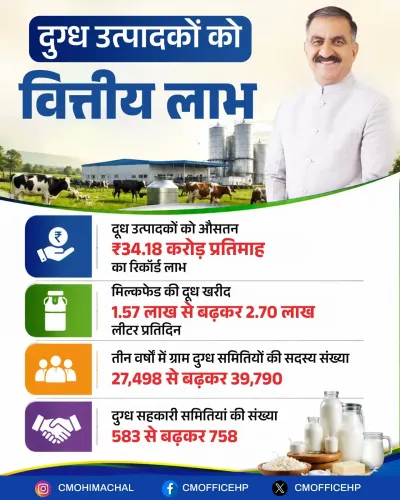
The Chief Minister's Office of Bihar says expanding the dairy and fisheries sectors will raise incomes for farmers and livestock herders, strengthen the rural economy, and generate new employment — positioning allied agriculture as a key growth lever for the state.
Key Takeaways
The Chief Minister's Office of Bihar shared remarks on 8 August 2026 calling for dairy and fisheries sector development.
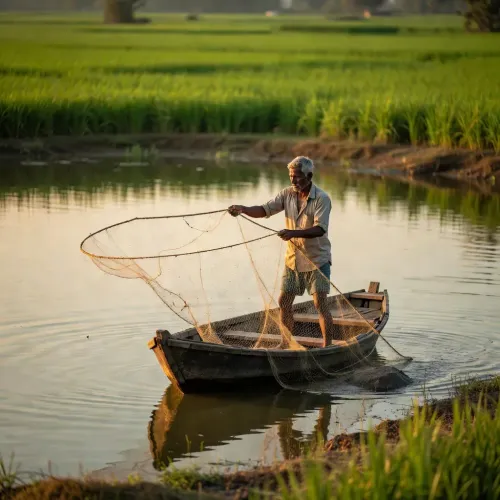
The statement says growth in these sectors will directly increase incomes of farmers, livestock herders, and fish farmers .
A stronger rural economy and new employment opportunities are cited as parallel outcomes.
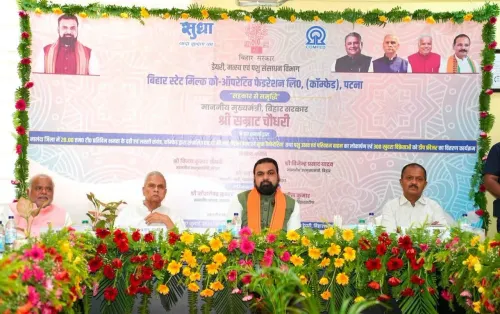
COMFED , Bihar's state milk co-operative federation, is the institutional anchor for dairy-sector linkages in the state.
Bihar has consistently identified allied agricultural sectors as a route to reduce dependence on single-crop income and curb outward labour migration.
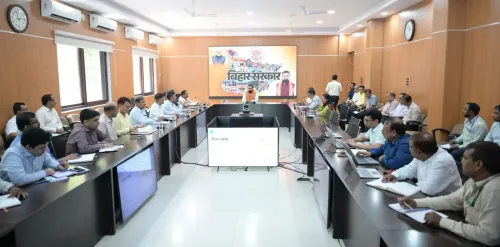
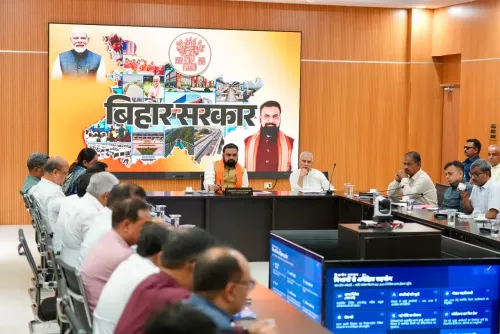
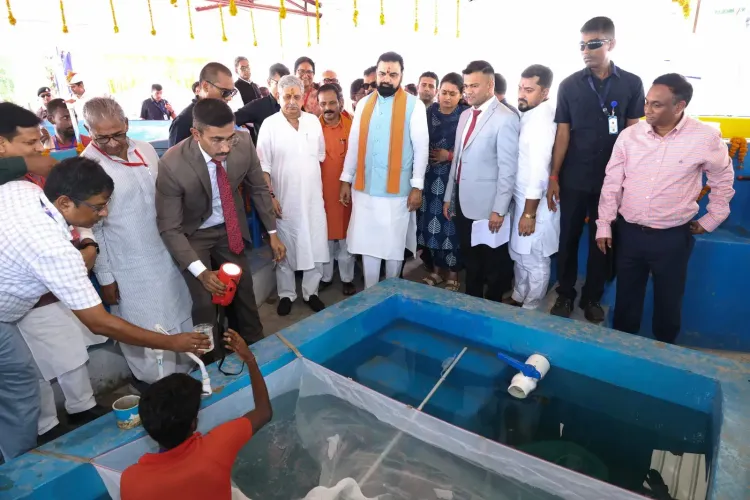
Dairy farming and fisheries — two sectors long treated as footnotes to Bihar's agricultural story — are now being positioned as engines of rural income and employment, according to a statement shared by the Chief Minister's Office of Bihar on Saturday, 8 August 2026.
The CMO quoted a speaker — whose identity the post does not specify — as saying that growth in the dairy and fisheries sectors would directly raise the incomes of farmers, livestock herders, and fish farmers. The remark also linked sectoral expansion to a stronger rural economy and the creation of new employment opportunities.
Why Dairy and Fisheries, and Why Now
Bihar has long flagged allied agricultural sectors — those sitting alongside traditional crop cultivation — as underdeveloped levers for rural prosperity. Dairy and fisheries fit that frame precisely: they generate income between crop cycles, draw in women's self-help groups, and do not require large landholdings to be viable. The Bihar State Milk Co-operative Federation (COMFED), the state's primary dairy body, has historically been the institutional backbone for linking small producers to markets.
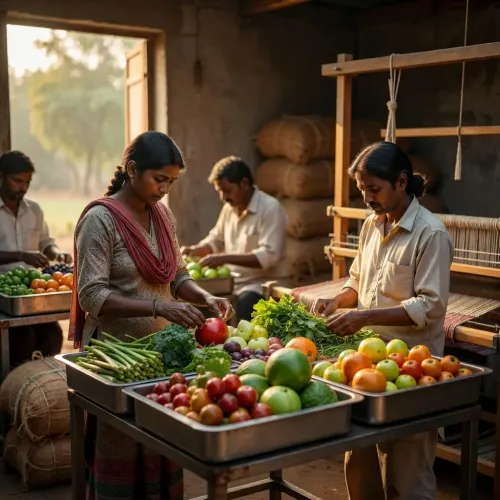
The logic is straightforward. A smallholder who also keeps two buffaloes or maintains a pond earns through the lean season. Multiply that across Bihar's vast rural base — one of the largest in eastern India — and the aggregate income effect becomes significant. State-level policy documents have repeatedly returned to this diversification argument as a hedge against the volatility of single-crop dependence.
Employment Creation as the Second Headline
Beyond income, the statement flags job creation as a parallel dividend. Processing units, cold-chain logistics, feed supply, veterinary services, and fish-seed production all generate downstream employment that does not require migration to cities. For Bihar, where outward labour migration remains structurally high, that is not a small claim — it is a direct response to one of the state's most persistent economic pressures.
Whether this statement signals a fresh budget push or a reaffirmation of existing policy will become clearer in the coming fiscal cycle, when allocation figures for dairy and fisheries infrastructure will tell the real story. The words are pointed; the numbers will be the proof.
Point of View
Whose political identity is built on rural development, this framing also serves as a pre-budget signal that smallholder welfare remains the electoral anchor. Watch the next state fiscal allocation for concrete numbers.
NationPress
23 Sept 2026
Frequently Asked Questions
What did the Bihar CMO say about dairy and fisheries on 8 August 2026?
The Chief Minister's Office of Bihar shared remarks stating that development of the dairy and fisheries sectors will raise incomes for farmers, livestock herders, and fish farmers, while also strengthening the rural economy and creating new employment opportunities.
How does dairy farming help Bihar's rural economy?
Dairy farming provides income between crop cycles and does not require large landholdings, making it accessible to smallholders. Institutions like COMFED link small producers to markets, helping stabilise household earnings in rural Bihar.
What is COMFED and what role does it play in Bihar?
COMFED, the Bihar State Milk Co-operative Federation, is the state's primary body for supporting dairy production and connecting farmers to milk markets, forming the institutional backbone of Bihar's dairy sector.
Why does Bihar focus on fisheries as an employment sector?
Fisheries generate downstream jobs in processing, logistics, and fish-seed production without requiring city migration. For Bihar, where outward labour migration is high, local fisheries employment addresses a structural economic pressure.
What should we watch for after Bihar's dairy and fisheries announcement?
The key indicator will be budget allocations in the next state fiscal cycle — whether funds are committed for dairy and fisheries infrastructure, cold-chain logistics, and district-level targets will reveal whether this is policy intent or political signalling.