Bihar CMO Pushes MSME, Food Processing Drive for Village Enterprise
Synopsis
The Chief Minister's Office of Bihar has called for industrial processes to be made transparent and investor-friendly, flagging food processing, textiles, pharma and MSMEs as priority sectors. The directive also pushes village-level entrepreneurship, aligning Bihar's growth pitch with rural enterprise and agro-based manufacturing.
Key Takeaways
Bihar CMO directs that industrial promotion be made 'transparent and investor-friendly'.
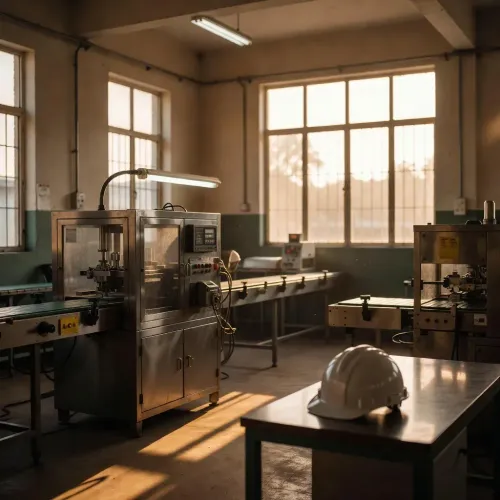
Food processing, textiles, pharmaceuticals and MSMEs flagged as priority sectors.
Village-level entrepreneurship pushed as a core plank, not a welfare add-on.
Focus areas align with the Bihar Industrial Investment Promotion Policy, 2016 and state MSME Policy.
Move dovetails with national Make in India and MSME Champions frameworks.
Implementation to be tracked via single-window portals, pilots and budget allocations.
The Chief Minister's Office of Bihar on 3 June 2026 amplified directives calling for industrial promotion processes to be made 'transparent and investor-friendly', with a sharp focus on rural entrepreneurship and high-potential sectors. The post, issued from Patna, identified food processing, textiles, pharmaceuticals and the Micro, Small and Medium Enterprises (MSME) segment as priority areas where work must be accelerated.
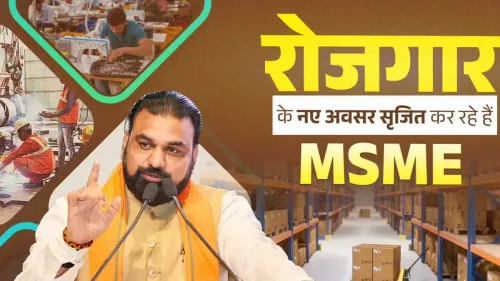
In the Hindi-language post, the CMO stated that the ecosystem should be made 'paardarshi evam niveshak-anukool' (transparent and investor-friendly), adding that 'entrepreneurship at the village level should be promoted'. It further noted that 'there are immense possibilities in food processing, textiles, pharma and the MSME sectors' and that 'work should be done rapidly for the development of these sectors'.
Context
The message lands at a moment when Bihar is actively recalibrating its industrial pitch, seeking to convert demographic heft and agrarian raw-material strength into manufacturing output. The directive to make processes 'investor-friendly' signals continued executive pressure on departments handling clearances, land allotment and incentive disbursal.
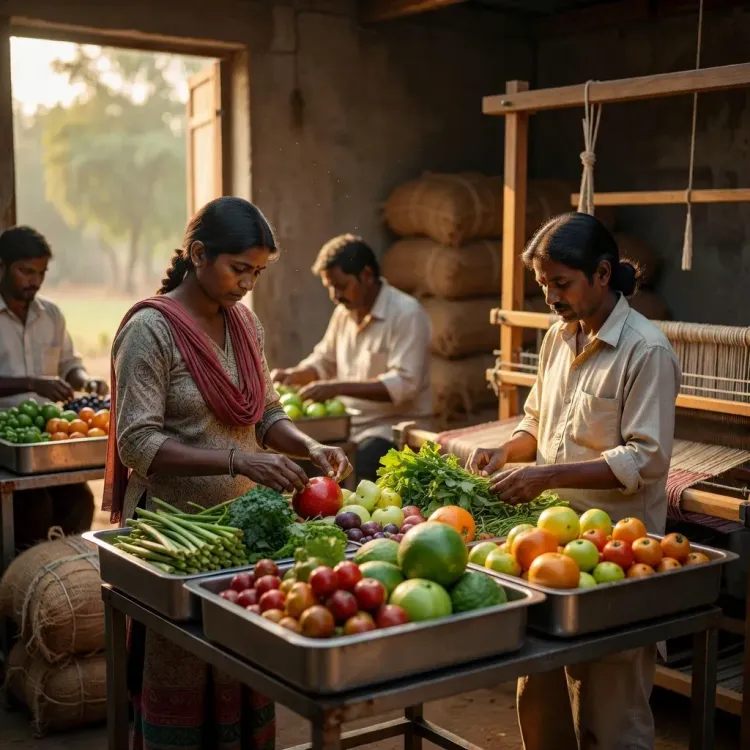
By naming village-level entrepreneurship in the same breath as large sectoral verticals, the CMO is framing rural enterprise as integral to the state's industrial story rather than a welfare add-on.
Policy backdrop
The four highlighted sectors map closely to the architecture of the Bihar Industrial Investment Promotion Policy, 2016, which introduced a single-window clearance mechanism and a menu of capital and interest subsidies aimed at manufacturing units. Subsequent updates to the state's MSME Policy extended skill-development support and capital incentives, with explicit focus on food processing and textiles, sectors anchored to Bihar's agricultural produce such as maize, makhana, litchi and jute.
The emphasis also dovetails with national programmes such as Make in India and the MSME Champions scheme, which encourage states to build sector-specific clusters and tap into central credit-guarantee and technology-upgradation windows.
Stakeholders and impact
The most direct beneficiaries of any acceleration would be MSME entrepreneurs, rural youth seeking non-farm livelihoods, and investors scouting low-cost manufacturing bases in eastern India. Food processing is particularly significant: Bihar is among the country's largest producers of several horticultural crops, but value addition has historically lagged, with much of the raw produce moving out of the state.
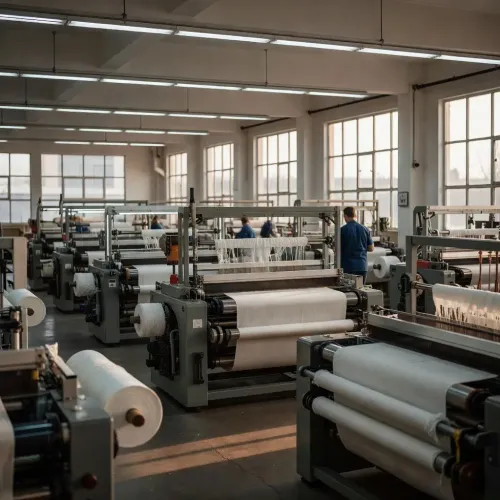
A push on textiles could revive legacy handloom and powerloom pockets, while pharmaceuticals remain a smaller but strategically targeted vertical, given proximity to large consumer markets and ongoing efforts to build bulk-drug and formulation capacity outside traditional clusters.
For rural workers, village-level entrepreneurship is also being positioned as a counter to out-migration, a recurring political and economic challenge for Bihar. Decentralised micro-units in agro-processing and textiles can, in principle, absorb local labour without requiring relocation to industrial corridors.
What's next
Implementation will be tested on three fronts: the rollout of revised single-window portals, the launch or expansion of village entrepreneurship pilots, and state budget allocations or investor outreach events targeting the four named sectors. The pace at which department-level standard operating procedures are simplified, and how quickly land-and-incentive disputes are resolved, will determine whether the 'investor-friendly' framing translates into committed capital on the ground.
For Bihar, the broader implication is clear: the state is staking its next phase of growth on the ability to move beyond raw-commodity exports and anchor value-added manufacturing within its borders, with the village economy positioned as a structural pillar rather than a peripheral concern.
Point of View
Particularly in agro-processing. Pairing 'investor-friendly' rhetoric with village entrepreneurship is politically astute: it signals openness to capital while addressing the state's chronic out-migration concern. The real test, however, lies in clearance timelines, land availability and credit flow to micro-units, not in sectoral wishlists. Until single-window reforms and cluster pilots show measurable traction, such messaging will read as continuity with the 2016 industrial policy rather than a decisive break from it.
NationPress
18 Oct 2026
Frequently Asked Questions
What did the Bihar CMO say about industrial policy?
The Chief Minister's Office of Bihar directed that industrial promotion processes be made transparent and investor-friendly, and that work be accelerated in food processing, textiles, pharma and MSME sectors, alongside village-level entrepreneurship.
Which sectors has Bihar prioritised for industrial growth?
Bihar has highlighted food processing, textiles, pharmaceuticals and Micro, Small and Medium Enterprises (MSME) as priority sectors with significant growth potential.
What is the Bihar Industrial Investment Promotion Policy?
It is a 2016 framework that introduced single-window clearance and offered capital and interest subsidies to attract manufacturing and MSME investments to Bihar.
How does Bihar plan to promote village-level entrepreneurship?
The state is positioning rural enterprise within mainstream industrial planning, with decentralised micro-units in agro-processing and textiles expected to absorb local labour and curb out-migration.
How does Bihar's MSME push link with national schemes?
It aligns with national programmes such as Make in India and the MSME Champions scheme, which support cluster-based manufacturing, credit guarantees and technology upgradation for small units.