Bihar CMO targets 50,200 MT fish output under new projects
Synopsis
The Chief Minister's Office of Bihar has announced targets to develop over 11,000 hectares of fisheries area and achieve 50,200 metric tonnes of fish production under ongoing projects, signalling a major inland aquaculture push aligned with the national PMMSY framework.
Key Takeaways
The Chief Minister's Office of Bihar posted fisheries project targets on August 13, 2026 .
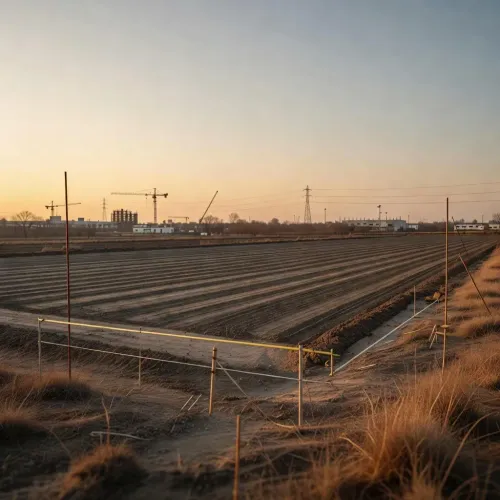
A direct intervention area of 1,848.75 hectares is proposed for development under the referenced projects.
The project influence area covers 9,357 hectares of water bodies and wetlands.
A fish production target of 50,200 metric tonnes has been set under these projects.
The push aligns with the Pradhan Mantri Matsya Sampada Yojana , the Central fisheries modernisation scheme launched in 2020 .
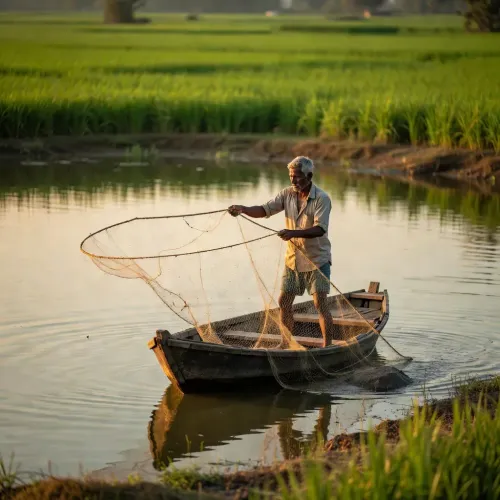
Key beneficiaries include inland fish farmers and fishermen dependent on Bihar's riverine and wetland resources.
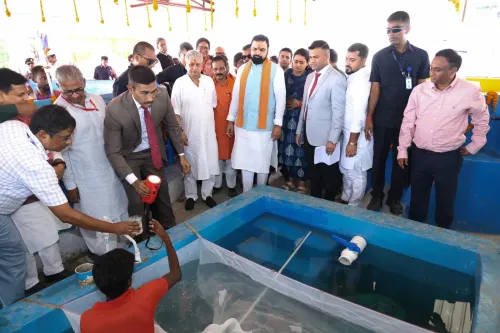
Bihar is setting its sights on a significant aquaculture push. The Chief Minister's Office of Bihar posted on X on August 13, 2026, outlining ambitious fisheries targets under a set of ongoing projects — covering thousands of hectares of water bodies and a production goal that signals the state's intent to become a serious inland fisheries force.
The post, in Hindi, states that under these projects, a direct intervention area of 1,848.75 hectares and a project influence area of 9,357 hectares are proposed for development, alongside a fish production target of 50,200 metric tonnes.
Bihar's riverine wealth, and the gap it wants to close
Bihar is not short of water. The state's vast riverine network — fed by the Ganga, Gandak, Kosi, and dozens of tributaries — along with its oxbow lakes and seasonal wetlands, gives it a natural foundation for inland fisheries that few states can match. The challenge has always been converting that geography into organised, productive aquaculture.
The targets announced align with a pattern of state-level drives to expand aquaculture coverage and boost rural incomes for fish farmers and inland fishermen — two communities that have historically lacked the infrastructure and institutional support available to their counterparts in coastal states.
The national scheme behind the push
The broader policy architecture here is the Pradhan Mantri Matsya Sampada Yojana (PMMSY), the Central sector scheme launched in 2020 to modernise India's fisheries sector, strengthen inland and marine infrastructure, and lift fish production sustainably across states. Bihar has been among the states channelling PMMSY funds into area development and productivity improvement.
A target of 50,200 metric tonnes of fish production — if met — would represent a meaningful addition to Bihar's annual output and reduce the state's dependence on fish supplies from outside its borders, a long-standing pressure point for consumers in the region.
The real test will come in the progress reports: whether the 1,848.75 hectares of direct intervention area actually get developed, and whether the production numbers follow. Targets are a start. Delivery is the story.
Point of View
Project-linked accountability — a framing that suits the PMMSY's output-oriented design. For a landlocked state with abundant inland water resources but historically underdeveloped aquaculture infrastructure, hitting the 50,200 MT mark would strengthen the case for deeper Central funding in future cycles. The political calculus is equally clear: rural fishermen and fish farmers form a significant constituency in Bihar, and visible delivery on production targets carries weight ahead of any electoral cycle. Whether implementation keeps pace with announcement is the question that will define this push.
NationPress
28 Sept 2026
Frequently Asked Questions
What is the fish production target announced by the Bihar Chief Minister's Office?
The Bihar Chief Minister's Office has set a target of 50,200 metric tonnes of fish production under the referenced projects, alongside development of over 11,000 hectares of fisheries area.
What is the Pradhan Mantri Matsya Sampada Yojana and how does it relate to Bihar?
The Pradhan Mantri Matsya Sampada Yojana (PMMSY) is a Central sector scheme launched in 2020 to modernise India's fisheries sector and boost production. Bihar has been channelling funds under this scheme to develop its inland fisheries infrastructure.
How many hectares are covered under Bihar's fisheries projects?
The projects cover a direct intervention area of 1,848.75 hectares and a wider project influence area of 9,357 hectares .
Who benefits from Bihar's fisheries development projects?
The primary beneficiaries are inland fish farmers and fishermen who depend on Bihar's rivers, oxbow lakes, and seasonal wetlands for their livelihoods.
Why is Bihar focusing on fisheries development?
Bihar has extensive riverine and wetland resources but historically underdeveloped aquaculture infrastructure. Expanding fish production aims to boost rural incomes and reduce the state's dependence on fish supplies from outside its borders.