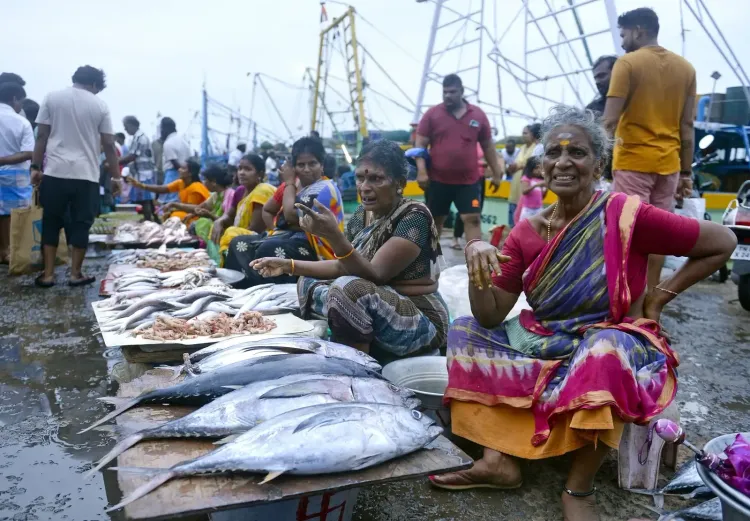
India eyes 30 million tonne fish output in 5 years, seafood exports target ₹1.25 lakh crore
Synopsis
India has set a bold target to raise annual fish production from 19.7 million to 30 million tonnes in five years, while pushing seafood exports past ₹1.25 lakh crore. The launch of the National Plan of Action for small-scale inland fisheries in Bhopal signals a policy shift that pairs production ambition with livelihood protection — and squarely places climate change at the centre of fisheries governance.
Key Takeaways
India targets 30 million tonnes of annual fish production within five years , up from 19.7 million tonnes currently.
Seafood export target raised from ₹70,000 crore to ₹1.25 lakh crore .
Inland fisheries contribute roughly three-fourths of total national fish production.
The National Plan of Action for small-scale inland fisheries was launched at a national workshop in Bhopal on 23 October 2026 .
The plan, developed with BOBP-IGO under the UN FAO framework, covers rivers, canals, reservoirs, lakes, wetlands, tanks, and cold-water systems.
The final plan is expected to be publicly launched next month , ahead of implementation.
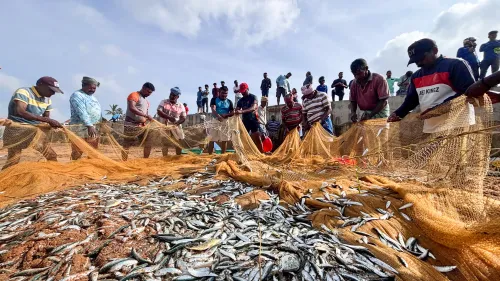
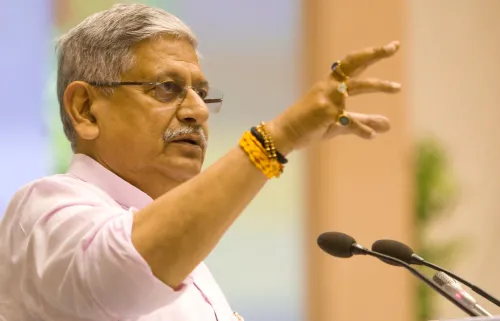
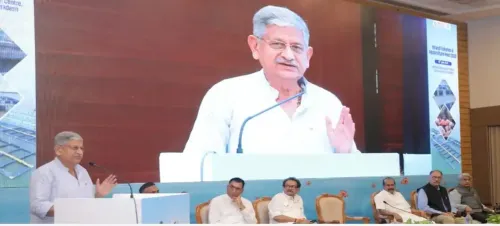
India aims to scale its annual fish production from 19.7 million tonnes to 30 million tonnes within the next five years, Union Fisheries Secretary Abhilaksh Likhi said on Friday, 23 October 2026, at a national workshop in Bhopal. The ambitious target comes alongside a parallel goal to more than double seafood exports from ₹70,000 crore to ₹1.25 lakh crore, while simultaneously protecting the livelihoods of small-scale inland fishers.
Key Announcements at the Bhopal Workshop
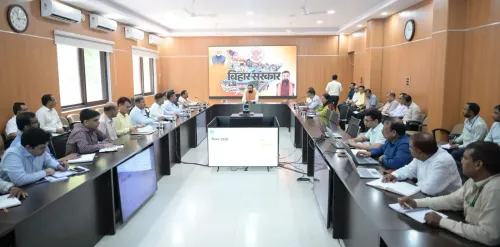
The occasion marked the launch of the development phase of India's National Plan of Action for small-scale inland fisheries, developed by the Union Department of Fisheries in partnership with the Bay of Bengal Programme Inter-Governmental Organisation (BOBP-IGO), under the framework of the UN Food and Agriculture Organisation (FAO). A two-day national workshop brought together experts and stakeholders to identify priorities for the plan, with community consultations set to follow.
Likhi stressed that the plan must go beyond paperwork. 'The document must translate into practical improvements in livelihoods rather than remain confined to government offices,' he said. He called for a nationwide outreach programme to take the proposed action plan directly to fishing communities.
Inland Fisheries: The Backbone of India's Fish Economy
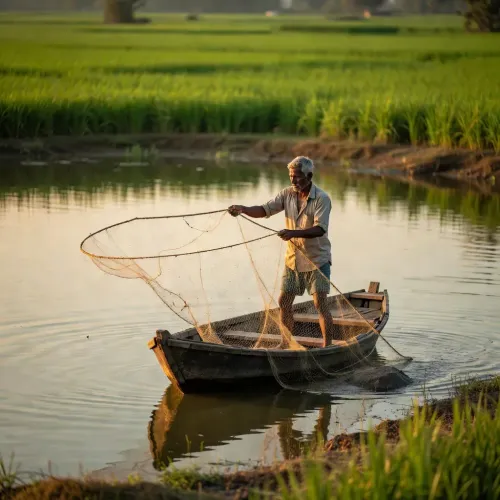
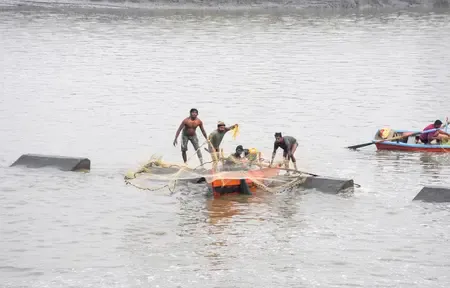
Inland fisheries currently account for roughly three-fourths of India's total annual fish production. The action plan is designed to cover fisheries across rivers, canals, reservoirs, lakes, floodplain wetlands, tanks, and cold-water systems — reflecting the vast geographic diversity of India's freshwater fishing sector. BOBP-IGO Director P. Krishnan said the plan would address fishing rights, resource management, employment, gender equality, post-harvest trade, and climate change.
Climate Change and Water Quality: The Defining Challenges
Likhi identified climate change and declining water quality — including falling oxygen levels in water bodies — as the most pressing threats to inland fisheries. He said region-specific solutions would be essential to sustainable fisheries management, and that the action plan must help communities cope with climate-related disruptions while strengthening value chains and improving fishers' incomes. Notably, India's diverse inland fisheries landscape could offer replicable lessons to other countries, he added.
What Comes Next
The National Plan of Action is expected to be finalised and publicly launched next month, after which implementation will begin. Further consultations with fishing communities and other stakeholders will shape the final document. The plan's sector-wide scope — spanning livelihoods, sustainability, trade and climate resilience — marks it as one of the more comprehensive fisheries policy frameworks India has attempted at the national level.
Point of View
But the history of fisheries policy is littered with goals that outpaced implementation. The more consequential signal here is the explicit linkage of production growth with small-scale fisher livelihoods — a recognition that past export-led strategies left the majority of the fishing workforce behind. Climate change and water-quality degradation are existential threats to inland fisheries that no export target can paper over. Whether the National Plan of Action becomes a living instrument or another shelf document will depend almost entirely on the community consultation process and how rigorously region-specific solutions are built into the final text.
NationPress
23 Oct 2026
Frequently Asked Questions
What is India's fish production target for the next five years?
India aims to raise its annual fish production to 30 million tonnes within five years, up from the current level of 19.7 million tonnes, according to Union Fisheries Secretary Abhilaksh Likhi.
What is the National Plan of Action for inland fisheries?
It is a comprehensive fisheries policy framework being developed by the Union Department of Fisheries in collaboration with BOBP-IGO under the UN FAO framework. The plan covers small-scale inland fisheries across rivers, canals, reservoirs, lakes, floodplain wetlands, tanks, and cold-water systems, and addresses livelihoods, fishing rights, gender equality, post-harvest trade, and climate resilience.
What is India's seafood export target?
India aims to more than double its seafood exports from ₹70,000 crore to ₹1.25 lakh crore. The government has said higher exports must go hand in hand with protecting the livelihoods of small-scale fishers.
When will the National Plan of Action be finalised?
The plan is expected to be finalised and publicly launched next month, after further consultations with fishing communities and stakeholders. Implementation is set to begin once the final document is launched.
What are the key challenges facing India's inland fisheries?
Union Fisheries Secretary Abhilaksh Likhi identified climate change, declining water quality, and falling oxygen levels in water bodies as the major challenges. The action plan is specifically designed to help communities adapt to these climate-related threats while strengthening value chains and incomes.