CM Samrat Choudhary Sets Ambitious Dairy, Fishery Targets for Bihar
Synopsis
Bihar CM Samrat Choudhary chaired a review of the Dairy, Fisheries, and Animal Resources Department on 24 May 2026, directing a three-fold increase in daily milk output through COMFED's Sudha brand, a near-tripling of annual fish production, and expanded market access to Nepal for Bihar's fish farmers.
Key Takeaways
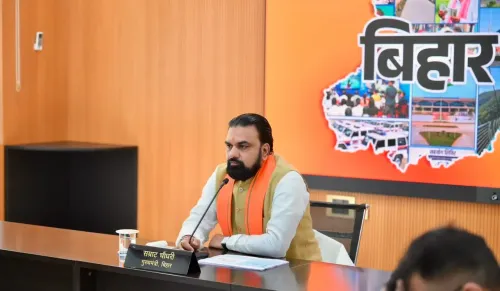
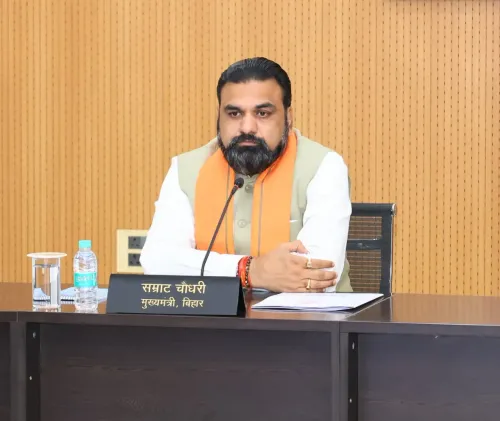
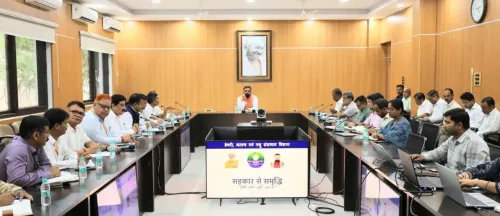
Bihar CM Samrat Choudhary chaired a review meeting of the Dairy, Fisheries, and Animal Resources Department at Lok Sevak Avas on 24 May 2026 .
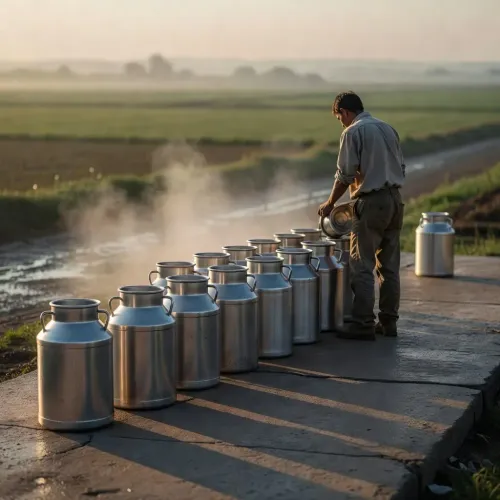
COMFED has been directed to supply improved-breed cows, buffaloes, and goats to animal rearers across the state.
Daily milk procurement through the Sudha brand is targeted to rise from 40 lakh litres to 1 crore 25 lakh litres .
Annual fish production target has been set at 25 lakh metric tonnes , up from the current 9 lakh metric tonnes .
Bihar fish produce is to be given market access in Nepal and neighbouring border states.
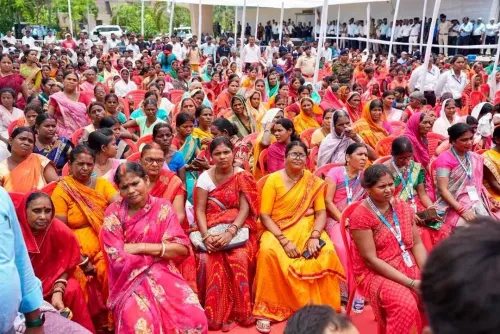
Women animal rearers are to be given priority in all departmental schemes.
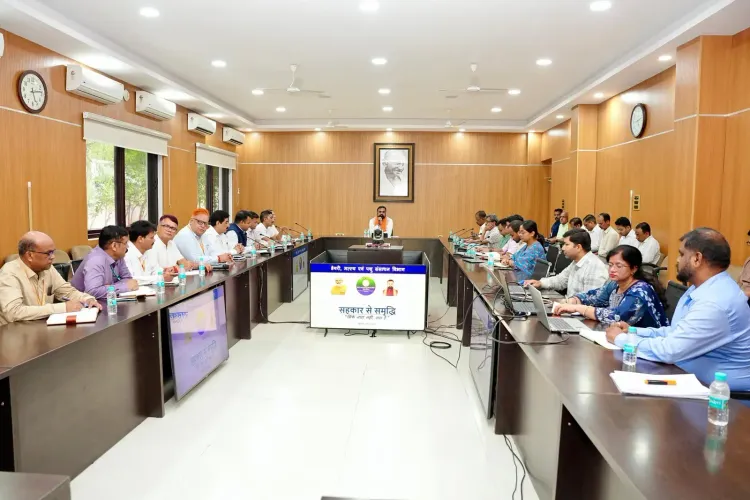
Bihar Chief Minister Samrat Choudhary chaired a review meeting of the state's Dairy, Fisheries, and Animal Resources Department at Lok Sevak Avas on Sunday, 24 May 2026, issuing a series of directives aimed at sharply scaling up milk and fish production while expanding market access for small producers across the state.
Context
Posting on X after the meeting, CM Choudhary outlined key instructions in Hindi: 'राज्य सरकार किसानों, पशुपालकों एवं मत्स्य पालकों की आय बढ़ाने एवं स्वरोजगार को प्रोत्साहन देने हेतु निरंतर कार्यरत है' ('The state government is continuously working to increase the income of farmers, animal rearers, and fish farmers and to promote self-employment'). The meeting covered three interlocking sectors — dairy cooperatives, inland fisheries, and animal husbandry — that together employ a large share of Bihar's rural workforce.
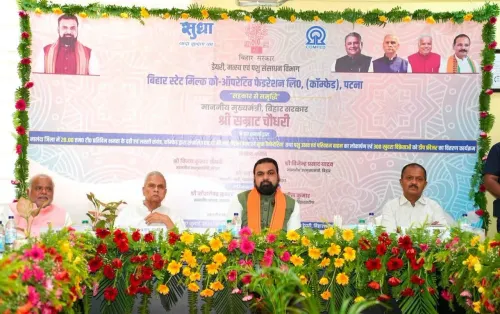
Among the directives issued, the government called for supplying improved-breed cows, buffaloes, and goats to animal rearers through COMFED (Bihar State Milk Co-operative Federation Ltd), the state body that manages dairy procurement and the Sudha brand. Special emphasis was placed on prioritising women animal rearers in all ongoing schemes.
Policy Backdrop
COMFED, established in 1983, has long served as Bihar's primary vehicle for organised milk marketing under the Sudha cooperative brand. The meeting set a target to raise daily milk procurement through Sudha from 40 lakh litres per day to 1 crore 25 lakh litres per day — more than a three-fold increase. On the fisheries side, annual fish production is targeted to grow from 9 lakh metric tonnes to 25 lakh metric tonnes per year.
Bihar has pursued livestock and inland fisheries development as routes to rural income diversification since the mid-2000s, complementing national programmes such as the National Dairy Plan. The scale of the revised targets signals a significant step-up in ambition compared to earlier state plans, and their achievement will be closely tracked in future state economic surveys and animal husbandry budget allocations.
Stakeholders and Impact
The directives carry direct implications for three groups: dairy cooperative members, inland fish farmers, and women engaged in animal husbandry. The explicit instruction to prioritise women animal rearers in scheme benefits mirrors a broader pattern seen across eastern Indian states that have sought to integrate women-led small producers into organised value chains.
On the trade front, the government directed that Bihar's fish produce be given market access in Nepal and border-state markets — a cross-border commerce push that could open new revenue streams for fish farmers concentrated in the state's riverine districts. Nepal, which shares a long open border with Bihar, represents a natural export corridor for perishable agricultural goods.
What's Next
The directives from Sunday's review meeting are expected to translate into revised operational targets for COMFED and the state's fisheries department in the coming weeks. Progress on the milk and fish production goals will serve as a key metric in the next state economic survey and in upcoming animal husbandry budget discussions.
For the ruling BJP government in Patna, meeting these targets would provide concrete data points for its #विकसित_भारत (Viksit Bharat) and #समृद्ध_बिहार (Prosperous Bihar) messaging ahead of future electoral cycles, while also aligning with the central government's broader rural income-doubling agenda.
Point of View
A state where livestock and fisheries remain critical livelihood anchors. The three-fold milk output target and near-tripling of fish production are ambitious by any measure, and their credibility will rest on COMFED's institutional capacity and budgetary follow-through. The push to route Bihar's fish into Nepali and border-state markets is a pragmatic trade play that sidesteps the congested domestic wholesale chain. Taken together, the directives position the Choudhary government's rural economy narrative well ahead of the next electoral cycle, but the gap between announced targets and ground-level delivery remains Bihar's perennial governance test.
NationPress
11 Oct 2026
Frequently Asked Questions
What targets did Bihar CM Samrat Choudhary set for milk production?
CM Samrat Choudhary directed that daily milk procurement through COMFED's Sudha brand be raised from 40 lakh litres to 1 crore 25 lakh litres per day — a more than three-fold increase.
What is COMFED and what role does it play in Bihar?
COMFED (Bihar State Milk Co-operative Federation Ltd) was established in 1983 to manage dairy cooperatives and organised milk marketing in Bihar under the Sudha brand. It is the primary vehicle for connecting dairy farmers to consumers in the state.
How will Bihar's fish farmers benefit from the new directives?
Fish farmers are set to benefit from a target to nearly triple annual fish production to 25 lakh metric tonnes , and from a directive to open market access in Nepal and border states, creating new export corridors for their produce.
What is the significance of prioritising women animal rearers in Bihar's schemes?
Prioritising women animal rearers ensures that women engaged in small-scale dairy and livestock activities receive preferential access to government schemes, improved breeds, and financial support — a policy approach that mirrors successful models in other eastern Indian states.
What are the hashtags used by CM Choudhary and what do they mean?
CM Choudhary used #विकसित_भारत (Viksit Bharat, meaning 'Developed India') and #समृद्ध_बिहार (Samridh Bihar, meaning 'Prosperous Bihar'), aligning the state's rural economy push with the central government's national development narrative.