CM Samrat Choudhary Orders COMFED Breed Supply to Bihar Farmers
Synopsis
Chief Minister Samrat Choudhary chaired a high-level review of Bihar's Dairy, Fisheries and Animal Resources Department on 25 May 2026 and directed COMFED to supply improved breeds of cows, buffaloes and goats to the state's livestock farmers, reinforcing Bihar's long-standing breed-improvement policy through the co-operative network.
Key Takeaways
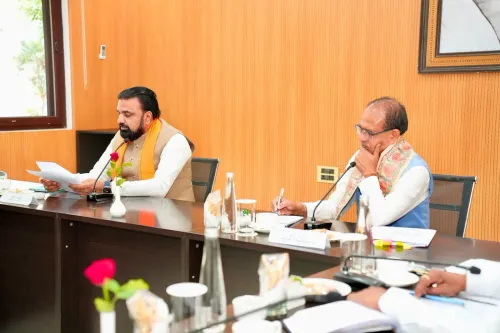
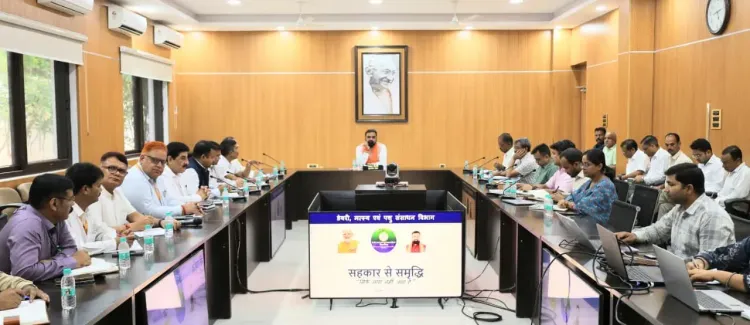
CM Samrat Choudhary chaired a high-level departmental review at Lok Sevak Awas, 1 Anne Marg, Patna on 25 May 2026 .
The review covered the Department of Dairy, Fisheries and Animal Resources .
The CM directed COMFED to supply improved breeds of cows, buffaloes and goats to Bihar's livestock farmers.
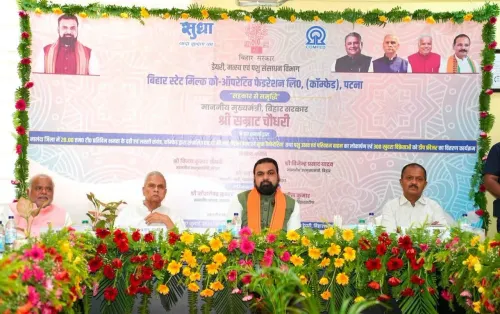
COMFED , established in 1983 under Operation Flood, is Bihar's apex milk co-operative federation and the primary delivery channel for the directive.
The move aligns with the national Rashtriya Gokul Mission (launched 2014 ) framework for indigenous breed improvement.
Roll-out timelines and any supplementary budget allocations are the key developments to watch in the coming weeks.
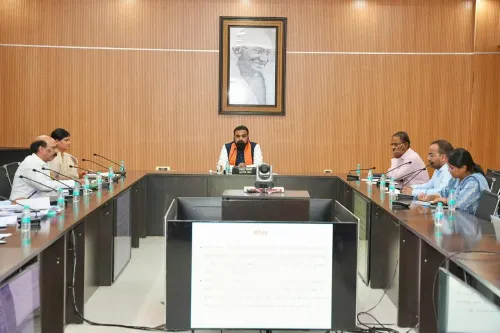
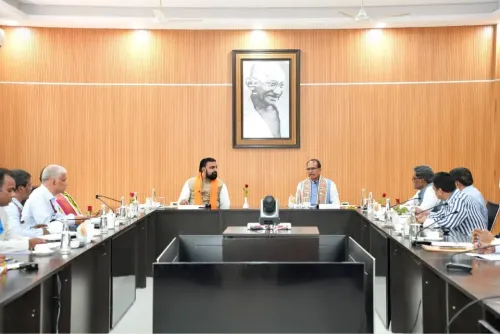
The Chief Minister's Office of Bihar announced on Sunday, 25 May 2026 that Chief Minister Samrat Choudhary chaired a high-level review meeting of the Department of Dairy, Fisheries and Animal Resources at his official residence, Lok Sevak Awas, 1 Anne Marg, Patna. The CM directed that improved breeds of cows, buffaloes and goats be made available to the state's livestock farmers through COMFED, the Bihar State Milk Co-operative Federation.
Context
The post states that 'माननीय मुख्यमंत्री जी ने कॉम्फेड के माध्यम से राज्य के पशुपालकों को उन्नत नस्ल की गाय, भैंस एवं बकरी उपलब्ध कराने का निर्देश दिया' ['the Chief Minister directed that improved-breed cattle, buffaloes and goats be provided to the state's livestock farmers through COMFED']. The directive was issued at a departmental review meeting convened by CM Choudhary at 1 Anne Marg, the official CM residence in Patna that routinely serves as the venue for cabinet-level departmental reviews.
Policy Backdrop
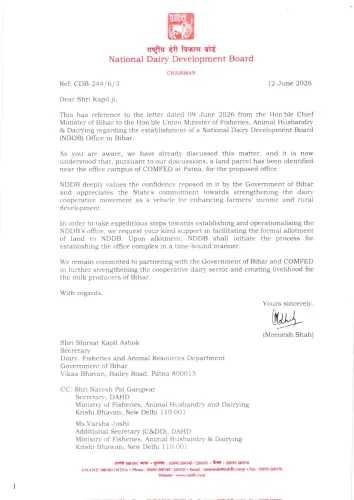
COMFED, established in 1983 under the national Operation Flood programme, is Bihar's apex milk co-operative body responsible for procurement, processing and marketing of milk, as well as breed-improvement support for cooperative members. The Bihar government has issued similar breed-supply directives periodically since 2015, using the COMFED network to channel state and central resources for genetic upgradation rather than direct cash transfers.
At the national level, the Rashtriya Gokul Mission, launched in 2014, provides a policy and funding framework for indigenous breed improvement through high-genetic-merit animal distribution and semen stations. Bihar's latest directive aligns with that broader architecture, channelling improved genetics through the existing co-operative infrastructure.
Stakeholders and Impact
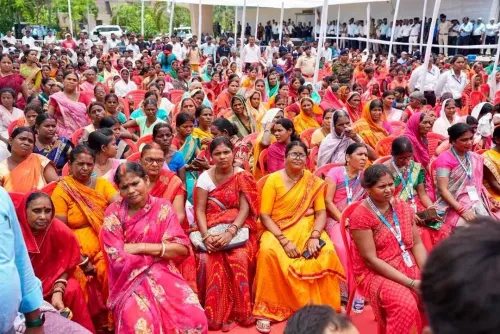
The primary beneficiaries of the directive are Bihar's livestock farmers and members of village-level dairy co-operatives affiliated with COMFED. Access to improved breeds of cows and buffaloes is directly linked to higher per-animal milk yields, which translates into better incomes for rural households that depend on dairying as a secondary or primary livelihood. Goat farmers, a segment often overlooked in mainstream dairy policy, are also explicitly included in the directive.
Bihar has consistently treated dairy and animal husbandry as key levers for rural income diversification beyond cereal farming. The COMFED network, spanning village-level co-operatives across the state, is the principal delivery mechanism for such breed-improvement programmes.
What's Next
The immediate focus will be on roll-out timelines for the distribution of improved breeds through COMFED's co-operative network and any supplementary budgetary allocations that may accompany the initiative in the next state budget session. Departmental targets emerging from the 25 May 2026 review meeting are expected to shape procurement and logistics planning for the scheme. The scale and pace of implementation will determine whether the directive translates into measurable gains in average milk yield and farmer income across Bihar.
Point of View
The government is betting on institutional reach over speed. The explicit inclusion of goats alongside cattle and buffaloes signals an attempt to broaden the programme's social reach to smaller and more marginalised livestock holders. Whether this directive produces measurable outcomes will depend on COMFED's procurement capacity and the state's willingness to back the meeting-room mandate with adequate budgetary support.
NationPress
10 Oct 2026
Frequently Asked Questions
What did Bihar CM Samrat Choudhary announce for livestock farmers?
CM Samrat Choudhary directed COMFED, Bihar's apex dairy co-operative, to supply improved breeds of cows, buffaloes and goats to the state's livestock farmers, a directive issued at a high-level departmental review on 25 May 2026.
What is COMFED and what role does it play in Bihar?
COMFED, or Bihar State Milk Co-operative Federation Ltd., was established in 1983 under the national Operation Flood programme. It procures, processes and markets milk and serves as the primary channel for breed-improvement support to dairy farmers across Bihar's village-level co-operatives.
Where did CM Samrat Choudhary hold the departmental review meeting?
The review meeting was held at Lok Sevak Awas, 1 Anne Marg, Patna, the official residence of the Bihar Chief Minister, which is routinely used for cabinet and departmental review meetings.
How does Bihar's breed-improvement directive connect to central government schemes?
Bihar's directive aligns with the Rashtriya Gokul Mission, launched by the Government of India in 2014, which provides a policy and funding framework for indigenous breed improvement through distribution of high-genetic-merit animals and semen stations.
Which animals are covered under the new Bihar COMFED breed supply directive?
The directive covers three categories: improved breeds of cows, buffaloes and goats, with the inclusion of goats broadening the programme's reach to smaller livestock holders beyond conventional dairy farmers.