Child marriage-free Maharashtra: Minister Tatkare on 1,450 marriages stopped
Synopsis
Maharashtra has stopped 1,450 child marriages this year alone — and the state is going further than ever, filing cases against priests, middlemen, and wedding guests. Minister Aditi Tatkare's zero-tolerance drive, backed by Bal Gruh shelters and a digital migrant-child tracker, is rewriting how India's states fight one of its most stubborn social problems.
Key Takeaways
Maharashtra WCD Minister Aditi Tatkare declared a 'child marriage-free Maharashtra' as the state's ultimate goal on 30 May .
Authorities prevented 1,450 child marriages in the current year and 1,400 in the previous year.
34 child marriages were stopped on Akshay Tritiya alone in a single day.
The Ahilyanagar District Child Protection Unit stopped 155 marriages and filed 15 FIRs between April 2025 and March 2026.
Cases are now filed against priests, middlemen, and guests — not just parents — at child marriages.
Children of migrant workers are tracked via a digital portal to ensure continuous anganwadi enrolment; Bal Gruh shelters provide safe housing for at-risk girls.
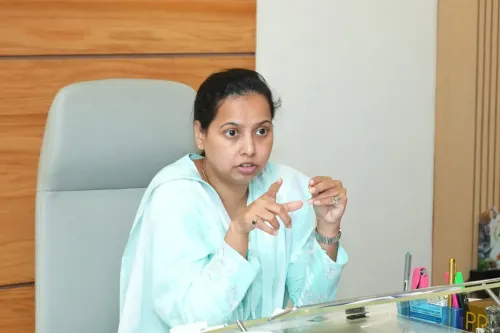
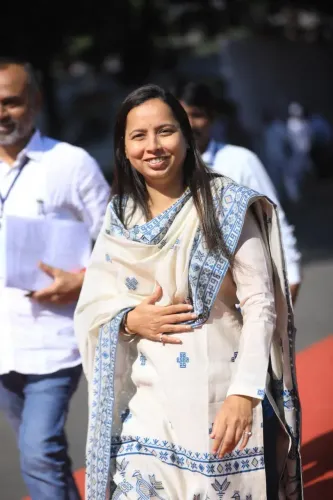
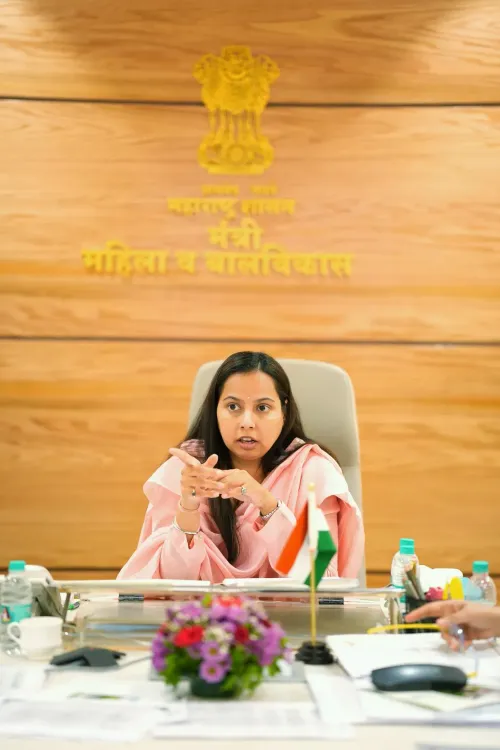
Maharashtra Women and Child Development (WCD) Minister Aditi Tatkare on Saturday, 30 May declared that a 'child marriage-free Maharashtra' is the state government's ultimate goal, announcing that her department has built a modern, community-backed enforcement system that stopped 1,450 child marriages in the current year alone — up from 1,400 prevented in the previous year.
A Community-Driven Campaign
The initiative moves well beyond conventional law enforcement. According to Minister Tatkare, ordinary citizens have been mobilised at every level, creating a collective, ground-up approach to eradication. The results, she said, speak for themselves: thousands of young girls have been pulled back from the brink of early marriage through a combination of public vigilance, administrative action, and social outreach.
On the auspicious occasion of Akshay Tritiya — historically a peak period for child marriages — authorities intercepted and stopped 34 child marriages in a single day. The minister noted that citizens are increasingly coming forward independently to report cases, a sign that the campaign is gaining social traction.
Tackling Root Causes: Migrant Labour and Safety Gaps
Minister Tatkare identified migrant labour as a critical demographic driver of child marriages, particularly in the Marathwada region. When parents are engaged in daily wage work throughout the day, leaving a 12-to-14-year-old daughter home alone creates acute safety anxieties — anxieties that, she said, often push families toward early marriage as a perceived solution.
To address this vulnerability directly, the WCD department has established dedicated 'Bal Gruh' shelters where young girls can live safely and continue their education uninterrupted. A modern digital tracking portal has also been launched specifically for children of migrant workers. The system ensures that when families move across districts for work, their children are seamlessly enrolled at the nearest local anganwadi — preventing any child from falling off the welfare grid.
Zero-Tolerance Enforcement
The department has adopted an aggressive legal posture under Minister Tatkare's direct supervision. Cases are now filed not only against parents who arrange child marriages, but also against priests who conduct them, middlemen who facilitate them, and guests who attend. This broad net of accountability, she said, has sent a powerful deterrent signal through society.
The District Child Protection Unit of Ahilyanagar exemplified this enforcement intensity between 1 April 2025 and 31 March 2026: 155 child marriages were stopped, 15 FIRs were registered against families attempting or encouraging child marriages, and not a single underage mother was identified among the prevented cases.
POCSO Provisions and Reporting Channels
Minister Tatkare reiterated that if an underage mother is identified anywhere in the state, offences will be registered directly under the Protection of Children from Sexual Offences (POCSO) Act. She urged citizens to report child marriages or underage mothers immediately via the Child Helpline at 1098. Complaints can also be directed to the District Women and Child Development Officer, the District Child Protection Unit, or the local District Child Helpline office.
With institutional infrastructure now in place and citizen participation rising, the state is expected to intensify its push ahead of the next peak marriage season.
Point of View
Middlemen, and guests is legally bold and socially significant, but its deterrent value will depend entirely on consistent prosecution, which is where similar initiatives have historically stalled. The Ahilyanagar unit's zero underage-mother outcome is a credible metric, but state-wide data on FIR-to-conviction rates is conspicuously absent from the official narrative. Without conviction data, the numbers risk becoming a headline rather than a benchmark.
NationPress
16 Oct 2026
Frequently Asked Questions
How many child marriages has Maharashtra prevented in 2025?
Maharashtra authorities have prevented 1,450 child marriages in the current year, according to WCD Minister Aditi Tatkare. This follows 1,400 prevented in the previous year, indicating a rising enforcement trend.
What is the 'Bal Gruh' shelter programme for girls in Maharashtra?
'Bal Gruh' are dedicated shelters established by the Maharashtra Women and Child Development department where young girls — particularly daughters of migrant labourers — can live safely and continue their education. They are designed to remove the safety anxiety that often drives families toward early marriage.
Who can be prosecuted under Maharashtra's child marriage crackdown?
Under the zero-tolerance policy announced by Minister Tatkare, FIRs can be filed against parents who arrange the marriage, priests who conduct it, middlemen who facilitate it, and guests who attend. Offences involving underage mothers are also registered under the POCSO Act.
How does Maharashtra track children of migrant workers?
The WCD department has launched a digital tracking portal that monitors children of migrant workers. When families move across districts for work, the system ensures their children are automatically enrolled at the nearest local anganwadi, preventing them from losing access to welfare services.
How can citizens report a child marriage in Maharashtra?
Citizens can report child marriages or underage mothers by calling the Child Helpline at 1098 . Complaints can also be filed with the District Women and Child Development Officer, the District Child Protection Unit, or the local District Child Helpline office.