Maharashtra targets child marriage rate below 10% in five years
Synopsis
Maharashtra has recorded a near-eightfold rise in child marriages prevented over six years — from 187 in 2018-19 to 1,495 in 2024-25 — and is now targeting a sub-10 per cent rate within five years. The shift from awareness campaigns to criminal prosecution of entire village communities marks a structural change in how the state is approaching this entrenched social problem.
Key Takeaways
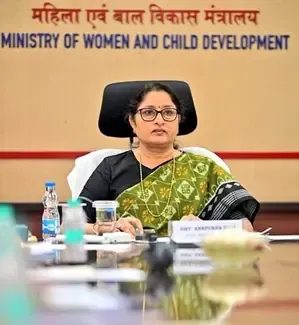
Maharashtra has set a target to reduce child marriage to below 10 per cent within the next five years , Minister Aditi Tatkare told the State Assembly on 23 June .
The state's child marriage rate stood at 21.9 per cent (2019-21, NFHS) and declined to 19.7 per cent in a 2023-24 district survey.
Child marriages prevented rose from 187 in 2018-19 to 1,495 in 2024-25 ; 1,434 have been prevented in the current year so far.
81 FIRs were registered in 2022-23 ; cases are now filed against families, individuals, and participating villagers.
The state is studying a Rajasthan model requiring birth dates of bride and groom on wedding invitation cards for possible adoption.
Special outreach is being prioritised for migrant worker communities, with childcare centres and children's homes for their children.
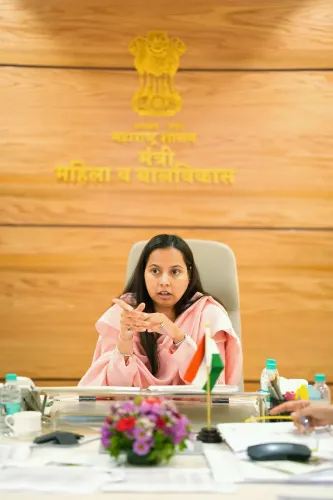
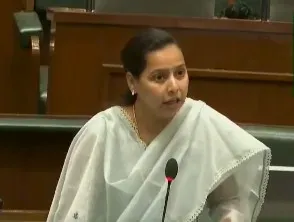
Maharashtra Women and Child Development Minister Aditi Tatkare told the State Assembly on Wednesday, 23 June that the state government has set a firm target to bring the child marriage rate below 10 per cent within the next five years, backed by a sharply rising trend in prevention and prosecution. The disclosure came in response to a query raised by Bharatiya Janata Party (BJP) MLA Atul Bhatkhalkar, with Congress member Nana Patole also participating in the discussion.
Where Maharashtra Stands Today
According to the National Family Health Survey (NFHS), the child marriage rate across India stood at 23.3 per cent between 2019 and 2021, while Maharashtra recorded 21.9 per cent during the same period. A subsequent survey of selected districts in 2023-24 showed the national average declining to 20.1 per cent, with Maharashtra improving to 19.7 per cent — marginally ahead of the national trend but still far from the government's stated goal.
A Steep Rise in Preventions and FIRs
Minister Tatkare placed a detailed year-on-year record before the Assembly. Child marriages prevented rose from 187 in 2018-19 to 240 in 2019-20, 519 in 2020-21, 831 in 2021-22, and 930 in 2022-23. The figure climbed further to 1,253 in 2023-24 and 1,495 in 2024-25. In the current year, 1,434 child marriages have already been prevented, with cases registered against perpetrators. In 2022-23 alone, 81 First Information Reports (FIRs) were filed, reflecting a deliberate shift toward criminal accountability.
Ground-Level Enforcement Machinery
The state has operationalised a multi-tier enforcement structure: a District Action Task Force under each District Collector, a Village Protection Cell, and dedicated units at the Taluka and Gram Panchayat levels. Crucially, cases are now being filed not just against the families of the bride and groom, but also against other participating villagers — a deterrent approach that, according to Minister Tatkare, has made preventive action 'highly effective.'
Rajasthan Model and Migrant Worker Focus
The Minister said the state will study a Rajasthan government initiative that mandates printing the birth dates of the bride and groom on wedding invitation cards. A decision on adopting a similar provision in Maharashtra will be taken in coordination with the Rural Development Department, the Law Department, and other relevant agencies. Separately, priority is being given to reaching migrant worker communities, with childcare centres and children's homes being extended to their children as a preventive measure.
What Comes Next
The government has indicated plans to further strengthen the existing enforcement machinery at the district, taluka, and village levels. The combination of rising FIR rates, expanded community accountability, and potential new legislative guardrails suggests the state is moving from awareness-led to enforcement-led prevention — a shift that will be tested against the ambitious sub-10 per cent target over the coming years.
Point of View
But the distance between 19.7 per cent and the sub-10 per cent target is not a linear extrapolation problem — it is a structural one. The easy interventions, stopping marriages that come to official notice, are already being done. The harder challenge is the unreported majority, concentrated in migrant communities, remote talukas, and districts where social sanction still overrides legal deterrence. Filing FIRs against participating villagers is a bold enforcement signal, but it also risks pushing the practice underground rather than eliminating it. The Rajasthan invitation-card model is worth watching, but it is a process intervention, not a root-cause one. Maharashtra's real test will be whether it can close the gap in the districts where NFHS data is most alarming, not just improve the state average.
NationPress
23 Sept 2026
Frequently Asked Questions
What is Maharashtra's target for reducing child marriage?
The Maharashtra government has set a target to bring the child marriage rate below 10 per cent within the next five years, as stated by Women and Child Development Minister Aditi Tatkare in the State Assembly on 23 June.
What is the current child marriage rate in Maharashtra?
According to the National Family Health Survey, Maharashtra's child marriage rate was 21.9 per cent between 2019 and 2021. A 2023-24 survey of selected districts showed it had declined to 19.7 per cent, slightly better than the national average of 20.1 per cent.
How many child marriages has Maharashtra prevented in recent years?
Preventions have risen sharply — from 187 in 2018-19 to 1,495 in 2024-25. In the current year, 1,434 child marriages have been prevented so far. In 2022-23, 81 FIRs were also registered against those involved.
What enforcement mechanisms are in place to stop child marriage in Maharashtra?
Maharashtra operates a District Action Task Force under each District Collector, a Village Protection Cell, and units at the Taluka and Gram Panchayat levels. Cases are now filed against both families, the individuals directly involved, and participating villagers, broadening criminal accountability.
What is the Rajasthan model that Maharashtra is considering?
The Rajasthan government requires the birth dates of the bride and groom to be printed on wedding invitation cards as a preventive check. Maharashtra is studying whether a similar provision can be adopted in coordination with its Rural Development Department, Law Department, and other agencies.