MP govt empowers Patwaris to stop child marriages at village level
Synopsis
Madhya Pradesh has quietly handed one of its most powerful child-marriage prevention tools to the most local government official possible — the Patwari. By embedding legal intervention authority within the revenue machinery that already knows every village household, the state is betting that proximity beats bureaucracy. A recent case where a 13-year-old was married off despite advance warnings made the status quo untenable.
Key Takeaways
Madhya Pradesh has legally empowered every Patwari to intervene and prevent child marriages in rural areas under the Prohibition of Child Marriage Act, 2006 .
In urban areas, Zonal Officers , Revenue Officers , Assistant Revenue Officers , and Health Officers of Municipal Corporations have been given the same authority.
District Collectors , Additional Collectors , and CEOs of District Panchayats will supervise district-level implementation.
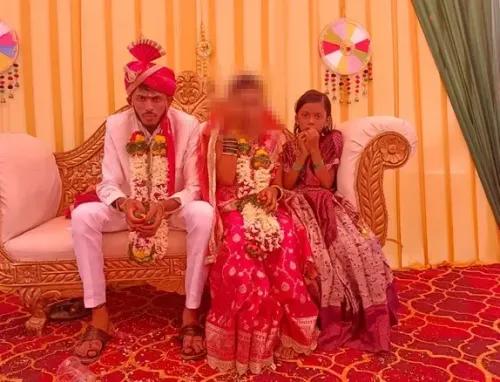
The reform was accelerated after 13 people were booked in a case where a 13-year-old girl was allegedly married off despite prior warnings.
Anganwadi workers , school teachers , and local informers will feed intelligence to the new network to identify at-risk families early.
The Madhya Pradesh government has legally empowered every Patwari in the state to intervene and prevent child marriages before they take place, marking the most far-reaching grassroots enforcement reform undertaken under the Prohibition of Child Marriage Act, 2006. The move transforms the state's anti-child marriage apparatus from a reactive, complaint-driven system into a rapid local response network — with the village revenue official now at its centre.
What the New System Covers
In rural areas, Patwaris — traditionally responsible for recording land disputes, crop losses, and inheritance claims — have now been vested with the legal authority to act the moment credible information about an underage marriage surfaces within their jurisdiction. In urban areas, the same powers have been extended to Zonal Officers, Revenue Officers, Assistant Revenue Officers, and Health Officers of Municipal Corporations.
At the supervisory level, District Collectors, Additional Collectors, and CEOs of District Panchayats will oversee implementation, while Sub-Divisional Officers (Revenue) will monitor action at the sub-division level. The architecture runs from district headquarters down to the revenue village.
Why Patwaris Are the Key Bet
A Patwari is often the first government functionary to learn when a family is preparing for a wedding. Officials argue that this local familiarity — built over years of working in the same villages — could become the most effective tool against hidden or hurried child marriages, particularly in remote pockets where social pressure routinely silences formal complaints.
A senior officer in the Women and Child Development (WCD) department said the earlier system was too narrow in its reach. 'Until now, preventive action was largely limited to police, magistrates, and Women and Child Development staff. The new system creates a multi-layered network that runs from the district headquarters down to the revenue village,' the official said.
The Incidents That Forced the Overhaul
The urgency behind the reform follows recent incidents that exposed serious enforcement gaps. In one case, 13 people were booked after a 13-year-old girl was allegedly married off despite prior warnings to authorities. Investigators said the marriage was linked to a barter-style arrangement between two families — a practice that officials acknowledge is difficult to detect without on-the-ground intelligence.
This is not an isolated failure. Child marriage remains entrenched in several districts of Madhya Pradesh, with the state historically ranking among the higher-prevalence states in national surveys. The new structure is designed to close the gap between reported incidents and timely intervention.
How Intelligence Will Flow
The government plans to rely heavily on inputs from Anganwadi workers, school teachers, and local informers to identify vulnerable families before wedding preparations escalate into criminal cases. 'Now, if information regarding a child marriage is received from any source, the local Patwari or Sector Supervisor will be legally empowered to intervene directly,' the WCD official said.
The emphasis on multi-source intelligence reflects a broader shift: officials recognise that formal complaints are rarely filed in communities where child marriages are socially normalised. Embedding enforcement within the existing revenue and health infrastructure is intended to bypass that barrier.
What Comes Next
The effectiveness of the reform will depend on how consistently Patwaris and urban officers exercise their new powers — and whether they face accountability for inaction. Observers note that empowering officials is only the first step; training, monitoring, and community awareness will determine whether the network delivers results on the ground.
Frequently Asked Questions
What new powers have Patwaris been given in Madhya Pradesh?
Patwaris in rural Madhya Pradesh have been legally empowered to directly intervene and prevent child marriages the moment credible information surfaces within their jurisdiction, under the Prohibition of Child Marriage Act, 2006. Previously, preventive action was largely limited to police, magistrates, and Women and Child Development staff.
Why did Madhya Pradesh introduce this child marriage reform?
The reform was accelerated after a case in which 13 people were booked following the alleged marriage of a 13-year-old girl despite prior warnings to authorities. Officials said the incident exposed serious gaps in the existing complaint-driven enforcement model, particularly for barter-style family arrangements that are hard to detect without local intelligence.
Who oversees the new child marriage prevention network in MP?
District Collectors, Additional Collectors, and CEOs of District Panchayats supervise implementation at the district level, while Sub-Divisional Officers (Revenue) monitor action in sub-divisions. At the grassroots, Patwaris and Sector Supervisors are the first line of intervention.
Does the new system apply to urban areas in Madhya Pradesh?
Yes. In urban areas, Zonal Officers, Revenue Officers, Assistant Revenue Officers, and Health Officers of Municipal Corporations have been given the same legal authority to intervene in child marriage cases as Patwaris have in rural areas.
How will the government identify child marriages before they happen?
The government plans to rely on inputs from Anganwadi workers, school teachers, and local informers to flag vulnerable families before wedding preparations escalate. The multi-source intelligence model is designed to bypass the social pressure that typically prevents formal complaints in communities where child marriages are normalised.