Has Maharashtra Stopped Receiving Jal Jeevan Mission Funds from the Centre Since October 2024?
Synopsis
Maharashtra's water supply initiatives are stalling as Minister Gulabrao Patil reveals the state has not received Jal Jeevan Mission funds from the Centre since October 2024. This funding shortfall is affecting the progress of numerous projects, raising concerns over adequate water supply to rural households. What does this mean for the future of these essential services?
Key Takeaways
Maharashtra has not received JJM funds since October 2024.
51,560 schemes have been approved under JJM.
Lack of funds is slowing project progress.
67 contractors have been penalized for lapses.
State government is using its resources to fund projects.
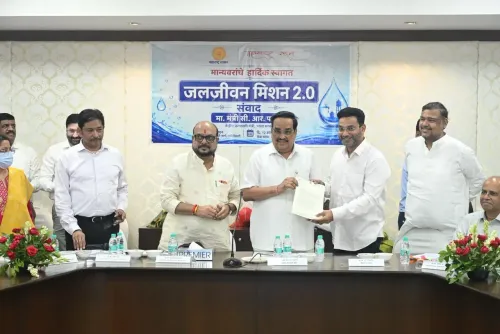
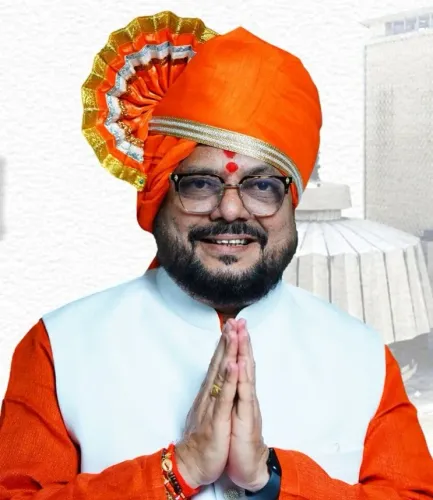
Nagpur, Dec 12 (NationPress) Maharashtra's Minister of Water Supply and Sanitation, Gulabrao Patil, disclosed to the Assembly on Friday that the state has not received any central funding for the Jal Jeevan Mission (JJM) since October 2024.
In a formal written response, he stated that the state government has been relying on its own financial resources to advance ongoing water supply initiatives.
The government indicated that the lack of funds has hindered the progress of JJM projects.
Patil highlighted that 51,560 initiatives have been approved under JJM, with 25,429 still in progress. He mentioned in a written statement to the legislative council that the state has allocated Rs 2,483.58 crore in 2024–25 and Rs 2,103.25 crore thus far in the current fiscal year to assist incomplete projects.
The state government explained that the advancement of JJM has been affected by various challenges, including land shortages, local opposition, delays in obtaining necessary permissions, contractor setbacks, water source failures, and funding shortages.
Notably, 67 contractors have been blacklisted and penalized Rs 12.80 crore for failures in projects executed through several Zilla Parishads. Moreover, work orders for 188 contractors have been revoked. Show-cause notices were sent to 76 project management consultants and 17 third-party inspection agencies.
Similar notices have been issued to 70 junior engineers, 149 deputy engineers, and 12 executive engineers, while seven engineers face suspension. For projects overseen by the Maharashtra Jeevan Pradhikaran, 233 contractors have been fined a cumulative amount of Rs 55.84 crore.
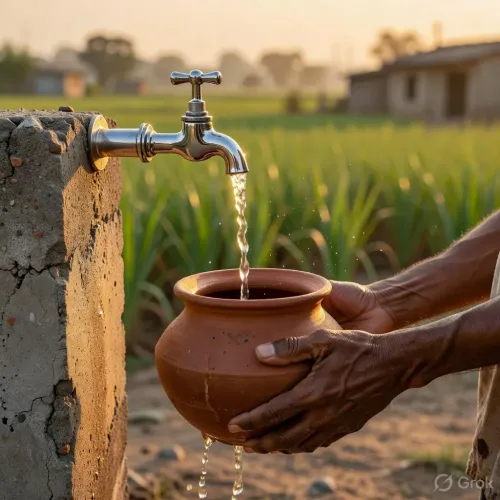
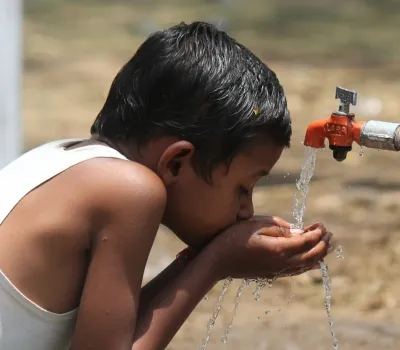
The Jal Jeevan Mission is designed to ensure safe and sufficient drinking water for every rural household through individual tap connections, integrating multiple components to secure reliable drinking water across villages.
In related news, Minister of Public Health Prakash Abitkar informed the legislative council that the nursing staff is essential to the healthcare system, and the state aims to enhance nursing services further. He announced plans for a joint meeting involving the Health, Medical Education, and Urban Development Departments to decide on establishing a Directorate of Nursing.
Member Uma Khapre proposed that this meeting be chaired by the Legislative Council Chairman. Chairman Ram Shinde instructed the Health Department to conduct the meeting under his supervision.
Abitkar detailed that medical services are delivered through three branches of government: the Public Health Department for rural areas, the Urban Development Department for cities, and the Medical Education Department for hospitals connected to medical colleges. He also mentioned that the Public Health Department has conducted a specific review of the nursing staff and is progressing with appointing a director for the cadre.
Point of View
The ongoing funding issues related to the Jal Jeevan Mission in Maharashtra highlight a pressing concern for rural infrastructure development. The lack of financial support from the central government could have long-lasting implications for water security in the region, necessitating urgent attention and resolution.
NationPress
25 Sept 2026
Frequently Asked Questions
What is the Jal Jeevan Mission?
The Jal Jeevan Mission aims to provide safe and adequate drinking water to every rural household through individual tap connections, ensuring reliable water access across villages.
Why has Maharashtra not received funds since October 2024?
Maharashtra has not received central funds for the Jal Jeevan Mission due to unspecified reasons, leading the state to rely on its own resources to fund ongoing projects.
What impact does the lack of funds have on JJM projects?
The funding shortfall has slowed the pace of Jal Jeevan Mission works, affecting the timely completion of various water supply schemes.
How many projects are currently underway under JJM?
Out of the 51,560 schemes sanctioned under the Jal Jeevan Mission, 25,429 are still ongoing.
What measures are being taken against contractors with deficiencies?
67 contractors have been blacklisted and fined for lapses, while work orders for 188 contractors have been canceled due to inefficiencies.