Is Mahayuti’s ‘unopposed pattern’ Influencing Maharashtra ZP and Panchayat Samiti Elections?
Synopsis
The BJP-led Mahayuti alliance is making headlines as it maintains its ‘unopposed pattern’ in Maharashtra’s Zilla Parishad and Panchayat Samiti elections, following a strong showing in municipal elections. With key victories secured unopposed, the political landscape is shifting, raising questions about the opposition's strategy and the ruling alliance's influence.
Key Takeaways
The Mahayuti alliance is experiencing significant unopposed victories in Maharashtra's elections.
Strategic negotiations have led to many candidates withdrawing their nominations.
Key victories include both Zilla Parishad and Panchayat Samiti positions.
The upcoming elections will test the opposition's ability to counter Mahayuti’s influence.
Allegations of pressure tactics by the ruling alliance have emerged.
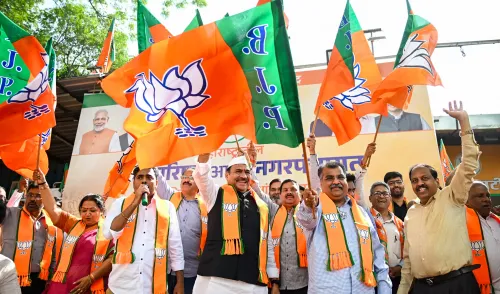
Mumbai, Jan 24 (NationPress) After a remarkable performance in the recent Municipal Corporation, Municipal Council, and Nagar Panchayat elections, the BJP-led Mahayuti alliance is maintaining its so-called “unopposed pattern” during the Zilla Parishad (ZP) and Panchayat Samiti elections across Maharashtra.
With the conclusion of nomination paper scrutiny, the opposition has faced a significant setback as 11 candidates from Mahayuti — including 10 from the BJP and one from the Eknath Shinde-led Shiv Sena — have been elected unopposed.
Among these unopposed victories are five seats in the Zilla Parishad and six in the Panchayat Samiti from the coastal regions of Sindhudurg and Ratnagiri.
The approach of convincing opposing candidates to withdraw — a strategy that previously led to 68 Mahayuti candidates winning unopposed in municipal elections earlier this month — is now being applied to rural local bodies.
Dr. Padmaja Kambale of the Shinde-led Shiv Sena was the first candidate to be elected unopposed in the current cycle, representing the Nanij Panchayat Samiti in Ratnagiri, a recognized stronghold of Industries Minister Uday Samant.
Key victories in Sindhudurg included BJP candidates Prachi Isvalkar (Kharepatan ZP) and Pramod Kamat (Banda ZP), who secured their positions after opposing candidates from Shiv Sena (UBT) and independents withdrew their nominations.
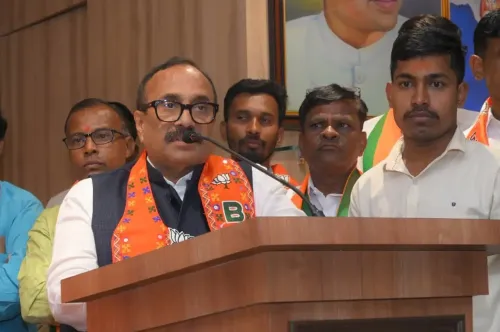
Sindhudurg is viewed as a crucial battleground, being the home district of BJP state president Ravindra Chavan. The success is largely attributed to the strategic planning and grassroots efforts of BJP MP Narayan Rane and party minister Nitesh Rane.
By consolidating local support and negotiating withdrawals from rival candidates, Mahayuti has neutralized competition in nearly 20 percent of the seats in specific areas ahead of polling.
Its influence, particularly in the Kankavli Assembly constituency, has reportedly led several opposition and independent candidates to withdraw from the contest. Political analysts suggest that the “Rane factor” has effectively diminished opposition challenges in these regions prior to polling.
The Maha Vikas Aghadi (MVA) has accused the ruling coalition of employing pressure tactics to compel candidates to withdraw.
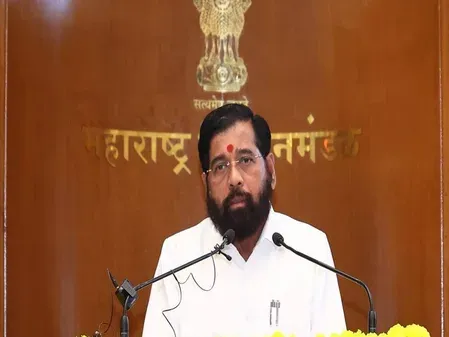
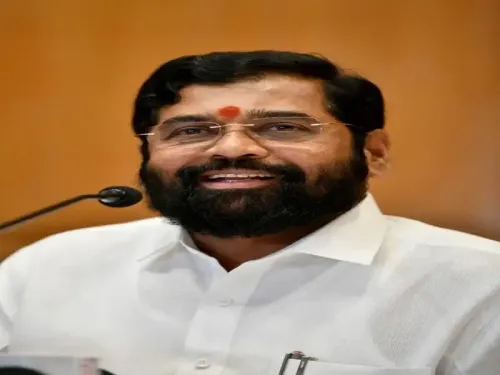
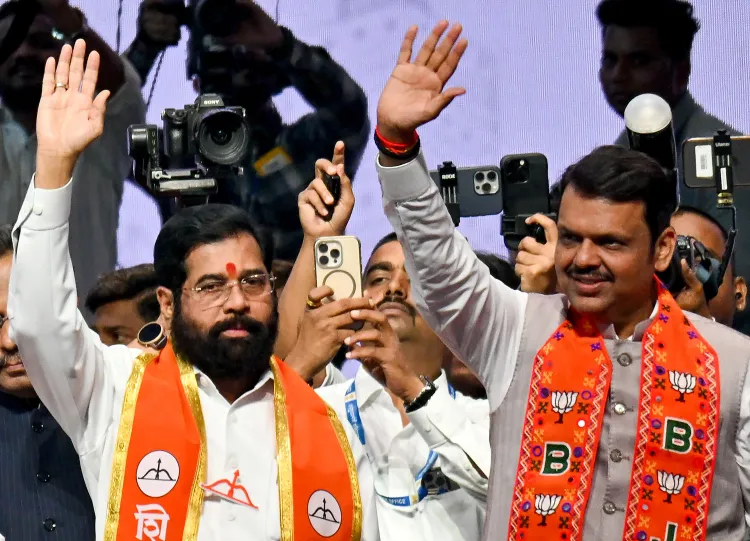
Nonetheless, Mahayuti leaders have dismissed these claims, interpreting the unopposed victories as a “certificate of public trust” in the leadership of Chief Minister Eknath Shinde and Deputy Chief Ministers Devendra Fadnavis and Ajit Pawar.
The “unopposed pattern” is seen as an indication of the organizational strength of Mahayuti and its efforts to create a psychological advantage over the opposition.
As the opposition appears to be on the defensive in this coastal area, the Mahayuti alliance is entering the final stages of the elections with a distinct psychological and numerical edge.
With a record number of nominations submitted — over 7,600 for Zilla Parishads and around 13,000 for Panchayat Samitis — the elections set for February 5 will determine if the opposition can halt the Mahayuti’s momentum in rural Maharashtra.
Point of View
It's crucial to analyze the unfolding political dynamics in Maharashtra. The Mahayuti’s strategic approach to securing unopposed victories raises significant questions about the opposition's capacity to challenge the ruling alliance. While allegations of pressure tactics are being floated, the underlying issue centers around public trust and political strategy. The upcoming elections will be pivotal in shaping Maharashtra’s political landscape.
NationPress
26 Oct 2026
Frequently Asked Questions
What is the ‘unopposed pattern’ in elections?
The ‘unopposed pattern’ refers to the phenomenon where candidates are elected without contest due to rival candidates withdrawing their nominations, often influenced by strategic negotiations.
What impact does the Mahayuti alliance have on local politics?
The Mahayuti alliance's influence in local politics has led to significant unopposed victories, suggesting a strong organizational presence and public trust in their leadership.
Who are the key figures in the Mahayuti alliance?
Key figures in the Mahayuti alliance include Chief Minister Eknath Shinde and Deputy Chief Ministers Devendra Fadnavis and Ajit Pawar.
How does the opposition view the Mahayuti’s tactics?
The opposition, particularly the Maha Vikas Aghadi (MVA), has accused the Mahayuti alliance of using pressure tactics to force candidates to withdraw from elections.
What are the upcoming election dates for Zilla Parishad and Panchayat Samiti?
The elections for Zilla Parishads and Panchayat Samitis are scheduled for February 5.