Is ISI Orchestrating a Major Attack from Bangladesh?
Synopsis
Intelligence agencies warn of a significant threat as explosive experts from Pakistan-occupied Kashmir are set to infiltrate Bangladesh. With plans for a coordinated attack on India, the situation raises alarms and calls for heightened vigilance in border regions. This escalating scenario poses serious implications for national security.
Key Takeaways
ISI's Involvement: Pakistani intelligence is orchestrating terror activities in Bangladesh.
Collaborative Operations: Jaish-e-Mohammed and Lashkar-e-Taiba are working together.
Explosive Experts: A nine-member team is being dispatched for training local operatives.
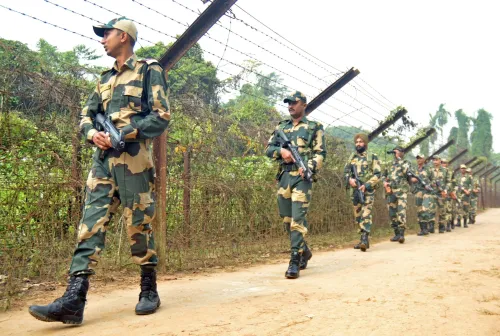
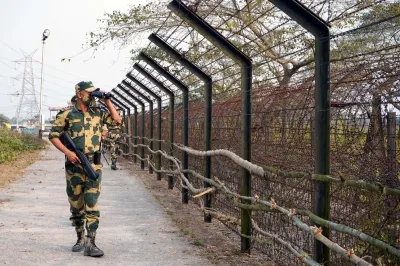
High Alert Status: Border areas are on high alert for potential attacks.
Madrasas Closed: Many madrasas linked to radicalization have been temporarily shut down.
New Delhi, Dec 11 (NationPress) Intelligence agencies have gathered intelligence indicating that a faction of terrorists from Pakistan-occupied Kashmir (PoK) is preparing to infiltrate Bangladesh following orders from the leadership of Lashkar-e-Taiba. This team specializes in explosives and is reportedly en route to Bangladesh to provide training to local operatives, as stated by an official from the Intelligence Bureau.
This development comes at a time when intelligence agencies have detected efforts by both Jaish-e-Mohammed and Lashkar-e-Taiba to revive their operations in West Bengal and the northeastern regions. An official noted that the dispatch of explosive experts to Bangladesh signifies that a significant event is imminent. Consequently, a high alert has been issued in the border regions due to anticipated infiltration attempts into India aimed at executing bomb blasts, according to another official.
Indian intelligence has uncovered extensive activities backed by the ISI occurring in Bangladesh. Historically, West Bengal and the northeastern states have faced threats from Bangladesh-based terror factions, but the current situation is markedly different. Pakistan, benefiting from a supportive regime in Bangladesh, appears to be orchestrating a substantial plot, with recent movements of terrorists and intercepted communications indicating that the ISI is gearing up for a major operation targeting India.
According to agency reports, Jaish-e-Mohammed and Lashkar-e-Taiba plan to collaborate in this endeavor. A strategic decision to conduct joint operations was made under ISI directives. Subsequently, leaders from both terror organizations convened in Pakistan to strategize their unified approach. It was resolved to deploy explosive specialists to Bangladesh, culminating in the formation of a nine-member team tasked with training operatives for a series of bombings in India.
Multiple teams from both Jaish-e-Mohammed and Lashkar-e-Taiba have repeatedly traveled to Bangladesh to liaise with local terror factions. Recently, a close associate of Hafiz Saeed visited Bangladesh to encourage local terrorists. Intelligence reports also indicate that Hafiz Saeed, the leader of Lashkar-e-Taiba, is expected to visit Dhaka this month to engage with members of his group and other affiliated terrorists.
The planning stages of the attack are nearing completion, and officials speculate that these groups may attempt to execute their plans shortly after Saeed's visit to Dhaka.
The fact that the ISI has started obscuring its tracks is a strong indication that an attack is on the horizon. The activation of sleeper cells in the northeastern states and West Bengal further suggests a major strike is being orchestrated. Moreover, several madrasas in Bangladesh have been temporarily shuttered, which were established specifically for indoctrination and radicalization purposes.
These madrasas are reportedly under the influence of ISI, with preachers affiliated with Lashkar-e-Taiba and Jaish-e-Mohammed. Some were created with the intent of executing serial blasts in India. With the planning phase nearing its end, these madrasas have now been closed.
An official remarked that this scenario illustrates a textbook operation by Pakistan. If these madrasas remained operational during the planning of a significant attack, the path of investigation would easily trace back to the ISI. Interrogating madrasa members could reveal the individuals responsible for radicalizing youth who subsequently joined these terror groups.
Experts assert that this exemplifies a classic ISI initiative. This time, Bangladesh serves as a convenient scapegoat. Even if an attack occurs, the blame would shift to operatives in Bangladesh, allowing Pakistan to maintain plausible deniability while international scrutiny would fall on Bangladesh.
Point of View
It is crucial to remain vigilant against the resurgence of terrorist activities in our neighboring regions. The collaboration between Jaish-e-Mohammed and Lashkar-e-Taiba, under ISI's directive, poses a significant threat. It is imperative that our intelligence agencies and security forces work collaboratively to thwart any potential attacks, ensuring the safety of our citizens.
NationPress
7 Oct 2026
Frequently Asked Questions
What is the current threat level regarding terrorist activities in India?
Intelligence agencies have raised alarms about a significant threat due to the infiltration of explosive experts from Pakistan-occupied Kashmir into Bangladesh, potentially planning attacks on India.
How are the Jaish-e-Mohammed and Lashkar-e-Taiba involved?
Both groups are reportedly collaborating under ISI directives to execute coordinated operations, including sending experts to train local operatives in Bangladesh.
What actions are being taken to counter this threat?
Indian authorities have declared a high alert in border areas, focusing on monitoring infiltration attempts and enhancing security measures.