Are Intelligence Agencies Warning of an ISI Scheme to Flood India with Infiltrators via Bangladesh?
Synopsis
Amid escalating unrest in Bangladesh, Indian intelligence warns of a potential ISI-driven scheme to flood India with infiltrators. As the country braces for elections, security agencies fear a coordinated influx of illegal immigrants, alongside terrorists, could exploit the situation. What measures will be taken to counteract this looming threat?
Key Takeaways
Intelligence agencies are on high alert due to potential infiltrations.
The upcoming West Bengal elections may serve as a backdrop for increased illegal immigration.
Pro-ISI groups are actively planning infiltration efforts.
Strategic measures are required to address the dual threat of demographic change and terrorism.
The political landscape in Bangladesh has shifted, aiding ISI's plans.
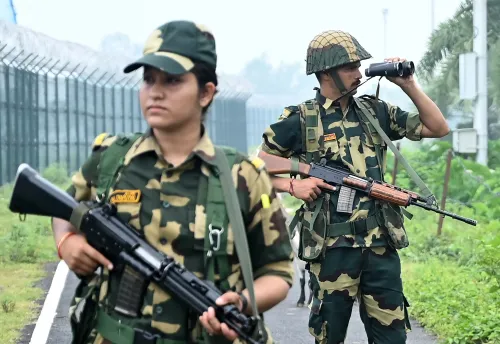
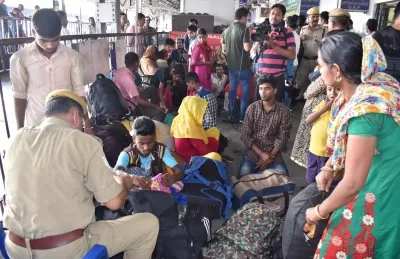
New Delhi, Dec 22 (NationPress) Amid the turmoil in Bangladesh, Indian intelligence agencies have issued an urgent alert along the border, anticipating a significant influx of illegal immigrants. Officials are concerned that while local security forces are preoccupied with internal strife, numerous pro-ISI organizations are plotting a substantial infiltration into India.
The strategy involves sending lakhs of individuals towards the Indian border with the explicit aim of overwhelming the immigration system. Intelligence analysts suggest this push will intensify as elections approach in West Bengal, marking a critical time for vigilance.
The upcoming elections in West Bengal are expected to be fiercely contested, and security agencies anticipate potential violence. The ISI may exploit this volatile situation to facilitate the entry of large numbers of illegal immigrants.
This is a deeply concerning scheme being devised in Bangladesh, according to officials. Indian security agencies must navigate this situation with utmost care. In addition to flooding the system with illegal migrants, the ISI also seeks to introduce a significant number of terrorists concurrently.
The operation aims to introduce both Bangladeshis and Rohingyas simultaneously. While one component of the ISI’s plan seeks to alter the demographic composition in West Bengal and the northeastern states, another aims to infiltrate terrorists into these regions.
Since the ISI bolstered its influence in Bangladesh following the removal of Sheikh Hasina, it has reportedly trained numerous terrorists specifically for infiltration into India.
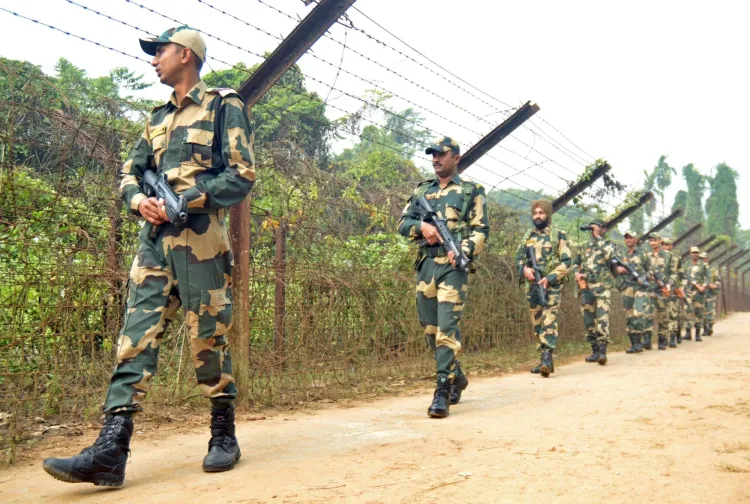
An officer from the Intelligence Bureau warns that the highest risks for infiltration exist along low-visibility routes and riverine gaps in Assam, Tripura, and West Bengal. These infiltrators may also capitalize on the forested areas in these regions.
Pro-ISI groups in Bangladesh have over time identified many Rohingyas facing financial hardships, luring them into clandestine camps. Most of these individuals undergo training for terrorist activities. Security officials indicate that these camps, established over the past year, house thousands of impoverished Bangladeshis and Rohingyas, who are enticed with financial incentives and then coerced into joining terrorist factions.
The camps are categorized into two groups: one designed for individuals focused solely on infiltration and demographic alteration, while the other comprises trained terrorists.
Another official emphasizes that this scheme is not limited to West Bengal and the northeastern states. As infiltrations occur, operatives may also be dispatched to other regions of India, including Jammu and Kashmir, the southern states, and Maharashtra.
This plan has been in development since Pakistan's defeat in the 1971 war with India. Pakistan recognized that traditional warfare against India would be ineffective, prompting the need for alternative strategies to stress the Indian system. In 1973, the Research and Analysis Wing discovered that the Jamaat-e-Islami and ISI had devised a plan to carry out mass infiltrations of illegal immigrants into India with the aim of enforcing demographic changes, ultimately leading to insecurity among the majority and potential communal clashes.
While this plan faced challenges due to various Indian-friendly administrations in Bangladesh, the current landscape has shifted dramatically. With the ISI-backed Jamaat now fully in control following Hasina’s ousting, officials assert that there is no more favorable time than now for the ISI to implement this strategy. The current pro-Pakistan regime in Bangladesh is unlikely to obstruct the ISI and Jamaat’s ambitions.
Point of View
The situation demands a careful and strategic response. While the threat of infiltration is serious, it's crucial that our response remains measured and informed, upholding our commitment to national security while ensuring the protection of our borders and communities.
NationPress
14 Sept 2026
Frequently Asked Questions
What is the current situation regarding illegal immigration from Bangladesh?
Indian intelligence agencies have issued warnings about a potential influx of illegal immigrants due to unrest in Bangladesh, particularly from pro-ISI groups looking to exploit the situation.
How is the upcoming election in West Bengal relevant to this situation?
The elections are expected to be contentious, providing an opportunity for ISI to push more illegal immigrants into India during a time of potential unrest.
What role does the ISI play in this infiltration plan?
The ISI is allegedly orchestrating this infiltration strategy to alter demographics in West Bengal and the northeastern states while simultaneously introducing terrorists.
What measures are being taken to prevent this infiltration?
Indian security agencies are on high alert and monitoring potential infiltration routes, particularly low-visibility areas and forested regions.
How has the political climate in Bangladesh changed to facilitate this plan?
With the ISI-backed Jamaat now in control following Sheikh Hasina’s ouster, the political environment is seen as more conducive to executing infiltration strategies against India.