How Did the Death of Rights Activist Mama Qadeer Baloch Leave a Lasting Impact on Resistance Against Atrocities in Balochistan?
Synopsis
The recent death of Mama Qadeer Baloch, a pivotal human rights activist, marks a significant loss for the Balochistan resistance movement. His relentless fight against state atrocities and his role in advocating for the disappeared has left an indelible mark on the struggle for justice in the region. Discover the legacy he leaves behind.
Key Takeaways
Mama Qadeer Baloch was a pivotal figure in the fight for human rights in Balochistan.
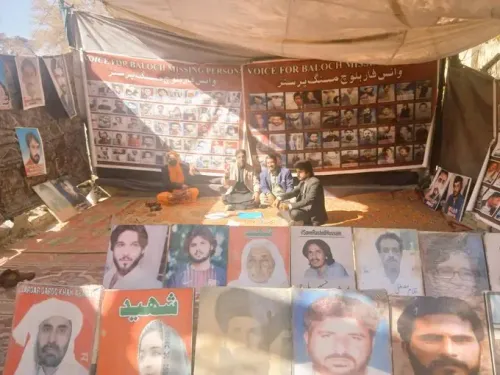
He co-founded the Voice for Baloch Missing Persons in 2009.
His son, Jalil Reki, was among the victims of enforced disappearances.
Mama Qadeer led historic marches to bring global attention to human rights violations.
Despite threats and personal loss, he remained a symbol of hope and resilience.
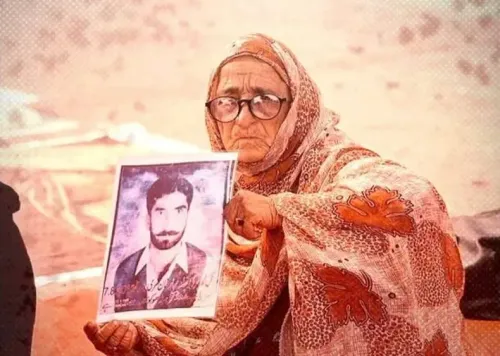
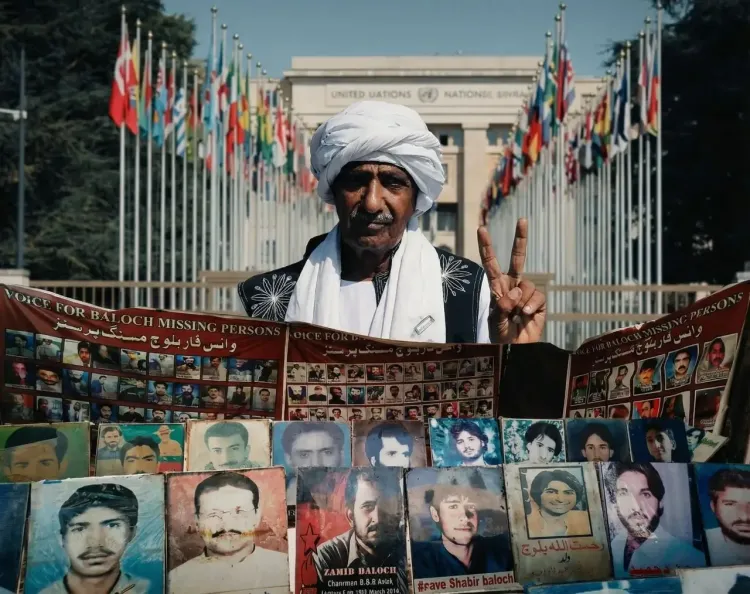
Quetta, Dec 25 (NationPress) The demise of human rights advocate Mama Qadeer Baloch, who served as the Vice Chairman of Voice for Baloch Missing Persons, on December 20, signifies the conclusion of a significant chapter. His non-violent protests, extensive marches, and unwavering resolve against Pakistan's human rights abuses in Balochistan will forever be etched in the annals of Baloch history, a recent report detailed.
The Balochistan Post reported that 15 years ago, Mama Qadeer and his associates initiated a peaceful movement in response to rampant enforced disappearances and extrajudicial killings of political activists in Balochistan, marking the beginning of a historic campaign against human rights violations by Pakistani authorities.
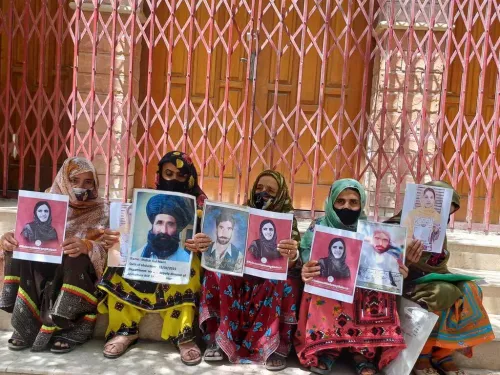
“When Mama Qadeer, Farzana Majeed, Nasrullah Baloch, and their allies established the Voice for Baloch Missing Persons in 2009, state oppression in Balochistan was at an all-time high. An unending wave of enforced disappearances of political activists had commenced, with Mama Qadeer’s own son, Jalil Reki, falling victim. In the aftermath of these disappearances, extrajudicial killings and the discovery of dismembered bodies began—practices that persist today as fake encounters,” the report elaborated.
The report noted that on November 24, 2011, the bullet-ridden body of Mama Qadeer’s son, Jalil Reki, was discovered in the Mand area of Kech district in Balochistan. Following his son’s tragic death, Mama Qadeer did not retreat from the fight; instead, he became a beacon of hope and took a prominent role in rallying for the recovery of the forcibly disappeared.
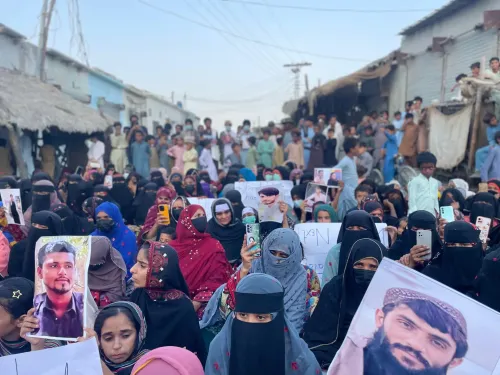
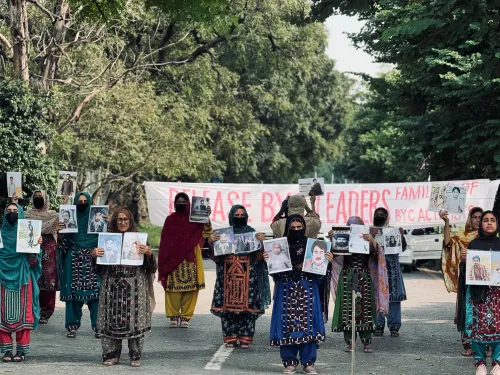
“Amid the harsh realities of Balochistan, Mama Qadeer and the families of the forcibly disappeared, undeterred by state threats and repression, embarked on a historic two-thousand-kilometer pilgrimage on foot in 2013, traversing from Quetta to Karachi and onward to Islamabad. This peaceful movement captured global attention regarding the severe human rights crisis in Balochistan,” the report highlighted.
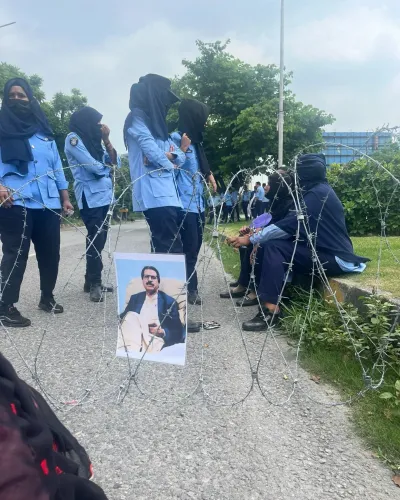
“This series of marches, sit-ins, and protests for justice spanned years. The protest camp of the families of the forcibly disappeared outside the Quetta Press Club faced repeated arson; Mama Qadeer received death threats; his residence was attacked, and close relatives were subjected to enforced disappearance. In spite of these challenges, Mama Qadeer never wavered, and even in his advanced age and declining health, he sustained the hope for the recovery of the disappeared for fifteen years,” it added.
Paank, the Human Rights Department of the Baloch National Movement, expressed profound sorrow over Mama Qadeer Baloch’s passing, hailing him as “a monumental figure of resilience, dignity, and relentless resistance against injustice.”
“His lifelong commitment to the victims of enforced disappearances transformed personal sorrow into a mighty movement advocating for truth and accountability,” the rights organization remarked.
Point of View
It's crucial to recognize the profound impact Mama Qadeer Baloch had on human rights advocacy. His relentless pursuit of justice for the disappeared and his ability to mobilize communities against state repression reflect an unwavering commitment to truth and accountability. The legacy he leaves behind is a reminder of the ongoing struggle for human rights in Balochistan and the importance of amplifying these voices in our coverage.
NationPress
30 Sept 2026
Frequently Asked Questions
Who was Mama Qadeer Baloch?
Mama Qadeer Baloch was a prominent human rights activist and Vice Chairman of the Voice for Baloch Missing Persons, known for his tireless efforts to advocate for the rights of the disappeared in Balochistan.
What impact did Mama Qadeer have on human rights in Balochistan?
Mama Qadeer played a critical role in mobilizing public awareness and resistance against enforced disappearances and state atrocities in Balochistan, inspiring many to join the fight for justice.
What were some of Mama Qadeer's significant contributions?
He led numerous long marches, organized protests, and established the Voice for Baloch Missing Persons, drawing international attention to the human rights crisis in Balochistan.
What does Mama Qadeer's death mean for the movement?
His passing marks a significant loss for the movement, but his legacy will continue to inspire future generations to fight for justice and human rights.
How can people continue to support the cause?
Individuals can support the cause by raising awareness, participating in peaceful protests, and advocating for the rights of the forcibly disappeared in Balochistan.