Why Does Mamata Banerjee Condemn the Targeting of Bangla Speakers as 'Ghuspaithiya'?
Synopsis
Mamata Banerjee's powerful condemnation of the targeting of Bangla speakers sheds light on the ongoing cultural and political tensions in West Bengal. Her remarks highlight the importance of linguistic diversity and the fight against intolerance.
Key Takeaways
Mamata Banerjee condemns the targeting of Bangla speakers.
She emphasizes the significance of Bengal's culture and identity .
The Chief Minister advocates for respect for all languages.
Her remarks challenge the divisive politics in the region.
Unity in diversity is highlighted as a strength of India.
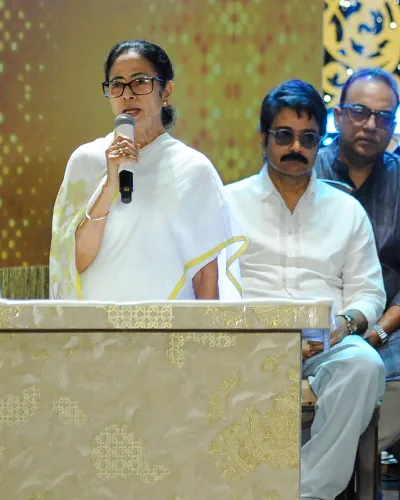
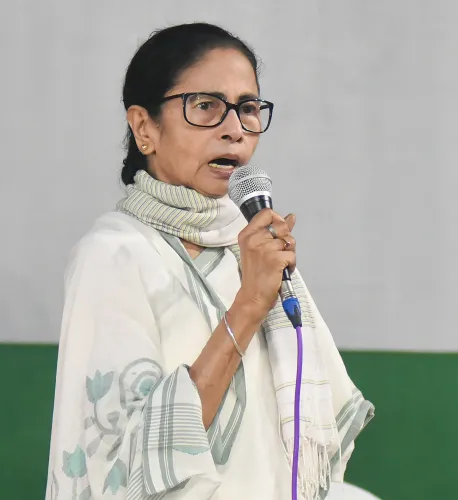
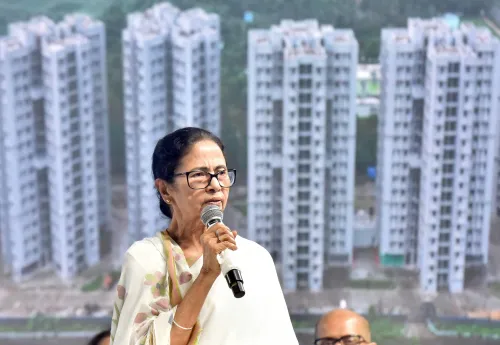
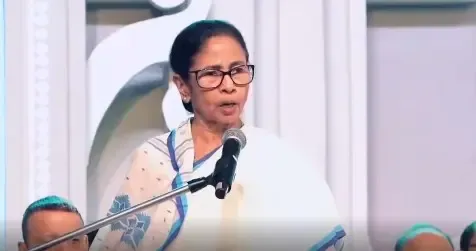
Kolkata, Feb 22 (NationPress) Following the vibrant celebrations of International Mother Language Day in West Bengal, Chief Minister Mamata Banerjee expressed profound sorrow on Sunday over the attempts by divisive forces to tarnish the image of those who communicate in Bangla, branding them as “ghuspaithiya” (illegal infiltrators) and subjecting them to humiliation and persecution.
She vowed to persist in her unwavering fight against any efforts aimed at undermining Bengal’s culture, heritage, or identity through intolerance or narrow-minded politics.
While she refrained from naming any individuals, her remarks were clearly aimed at the Bharatiya Janata Party (BJP), given the party's vocal stance regarding illegal Bangladeshi and Rohingya migrants in West Bengal and their supposed presence on the state's electoral rolls over the years.
“It pains me deeply that divisive forces are maligning and targeting those who speak Bangla, labelling them as ghuspaithiya, leading to their humiliation and persecution. Such actions attack the very essence of constitutional values. We shall never permit Bengal’s culture, heritage, or identity to be compromised by intolerance or narrow-minded politics,” the Chief Minister stated in a message shared on X this morning.
She emphasized that West Bengal, and indeed India, is a land rich in diverse languages and cultures, deserving equal affection for Bangla just as for other languages spoken across the nation.
“Bengal and India are bastions of myriad languages and cultures. As we cherish Bangla with devotion, we also respect Hindi, Urdu, Nepali, Kurukh, Kurmali, Rajbanshi, Santali, Kamtapuri, Sadri, and every other language spoken on our soil. Each language embodies the history, memory, and aspirations of its people. This unity in diversity is our greatest strength,” the Chief Minister remarked.
Consequently, she reiterated her deep distress over the attempts by divisive groups to malign and target Bengali speakers by dubbing them as illegal infiltrators, thus leading to their humiliation and persecution.
“Such actions strike at the very heart of constitutional values. We shall never allow Bengal’s culture, heritage, or identity to be undermined by intolerance or narrow-minded politics,” the Chief Minister concluded.
Point of View
I believe that Mamata Banerjee's remarks are a crucial reminder of the need to protect our cultural identities amid rising divisive politics. Her call for respect towards all languages emphasizes the importance of unity in diversity, a fundamental aspect of our national identity.
NationPress
29 Sept 2026
Frequently Asked Questions
What did Mamata Banerjee say regarding Bangla speakers?
She condemned the attempts to label Bangla speakers as 'ghuspaithiya' and emphasized the importance of protecting Bengal's culture and identity.
Who was Mamata Banerjee likely addressing in her comments?
Her comments were aimed at the Bharatiya Janata Party (BJP), which has been vocal about illegal migrants in West Bengal.
What is the significance of International Mother Language Day?
It celebrates linguistic and cultural diversity worldwide, emphasizing the importance of understanding and respecting all languages.
What does 'ghuspaithiya' mean?
'Ghuspaithiya' translates to 'illegal infiltrators' in English.
What does Mamata Banerjee believe about linguistic diversity?
She believes that every language, including Bangla, deserves equal love and respect as part of India's diverse cultural landscape.