Manipur CM, BSF chief review law and order amid ethnic unrest
Synopsis
With over 50 dead in fresh Naga-Kuki-Zo clashes since February and a longer Meitei-Kuki-Zo conflict still unresolved, Manipur's security establishment held simultaneous high-level reviews on 13 October — the BSF chief at the Secretariat in Imphal and the state DGP on the ground in Jiribam. The convergence of visits signals mounting pressure on both the Centre and state to contain a multi-front ethnic crisis.
Key Takeaways
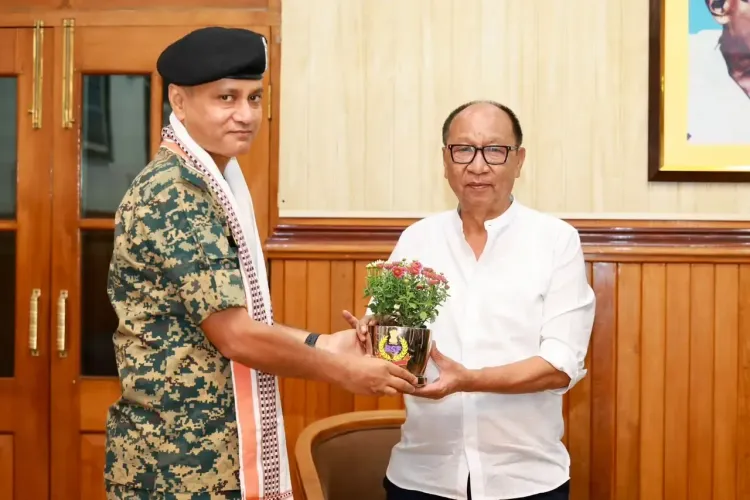
Manipur CM Yumnam Khemchand Singh and BSF DG Praveen Kumar met on 13 October in Imphal to review the state's law and order situation.
More than 50 people have reportedly been killed in Naga-Kuki-Zo ethnic clashes since February 2026 , with violence spanning Ukhrul, Kamjong, Kangpokpi, Tamenglong, Noney and parts of Senapati district.
The earlier Meitei-Kuki-Zo conflict claimed more than 300 lives , left 49 missing and displaced thousands.
DGP Mukesh Singh undertook a two-day visit to Jiribam , inspecting resettlement sites and reviewing deployments of Manipur Police, Assam Rifles, CRPF and other forces.
The DGP stressed Jiribam's role as the eastern gateway to Manipur and ordered stronger action against illicit drug trafficking in the district.
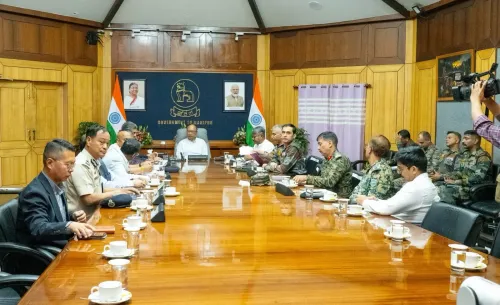
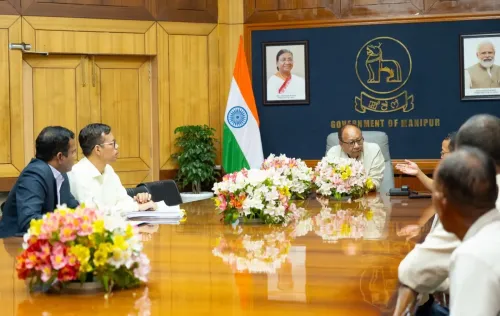
Manipur Chief Minister Yumnam Khemchand Singh and Border Security Force (BSF) Director General Praveen Kumar on Tuesday, 13 October held a high-level meeting at the Secretariat in Babupara, Imphal, to review the prevailing law and order situation in the state. Simultaneously, Director General of Police Mukesh Singh undertook a two-day ground assessment of security arrangements and rehabilitation measures in the violence-affected Jiribam district, officials said.
BSF Chief's Meeting with the Chief Minister
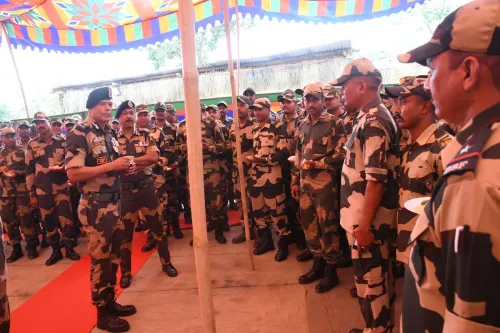
During the Imphal meeting, Chief Minister Khemchand Singh and BSF DG Praveen Kumar deliberated on the ongoing security situation across Manipur's conflict-hit districts. The two officials also discussed preparations for the upcoming BSF Raising Day celebrations on 1 December. According to a senior official of the Chief Minister's Office (CMO), the Chief Minister 'appreciated the BSF for its dedicated service and invaluable role in maintaining peace, security and border management.'
BSF DG Kumar was accompanied by Sumit Sharan, Additional Director General of BSF, Eastern Command, and Ravi Kant, Inspector General of BSF, Mizoram and Cachar Frontier headquarters. The visit underscores the Centre's engagement with state authorities as ethnic tensions continue to simmer.
Backdrop: Ethnic Violence Across Hill Districts
The meeting carries added weight against the backdrop of fresh ethnic clashes. More than 50 people have reportedly been killed and dozens of houses torched in clashes between the Naga and Kuki-Zo communities since February 2026. The violence has been concentrated in Ukhrul, Kamjong, Kangpokpi, Tamenglong, Noney, and parts of Senapati district.
This comes on top of the longer-running conflict between the Imphal Valley-based Meitei community and the hill-based Kuki-Zo tribal communities, which has left more than 300 people dead, with 49 still missing and thousands displaced from their homes. Manipur's multi-front ethnic crisis is now among the most protracted internal security challenges in Northeast India.
DGP's Jiribam Visit: Security and Rehabilitation Review
DGP Mukesh Singh travelled to Jiribam via National Highway-37 and inspected resettlement localities for those displaced by ethnic violence in Jiribam and Borobekra. He reviewed security deployments with senior officers and personnel from the Manipur Police, Manipur Rifles, Assam Rifles, Central Reserve Police Force (CRPF), and other security formations.
The DGP emphasised Jiribam's strategic importance as the eastern gateway to Manipur and issued directions to intensify measures against illicit drug trafficking through the region. He also inspected the Superintendent of Police's office, the headquarters of the 7th Indian Reserve Battalion, Jiribam Police Station, and Borobekra Police Station.
Civil Society Outreach and the Road Ahead
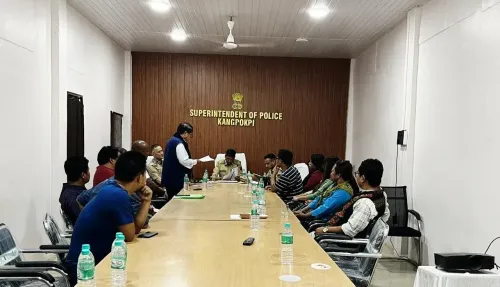
During the Jiribam visit, DGP Singh met leaders of civil society organisations representing the Meitei, Hmar, Naga, Kuki, and Paite communities at the District Police Headquarters. He commended their efforts to sustain inter-community dialogue and maintain local peace. The outreach signals an acknowledgement that security operations alone are insufficient without community buy-in in ethnically mixed districts like Jiribam.
With senior officials from the Centre and the state now conducting concurrent reviews, the focus will shift to whether rehabilitation measures gain traction on the ground and whether the security deployments can prevent a further escalation of hostilities ahead of the winter months.
Point of View
DGP on the ground in Jiribam — reveal the depth of the Centre's anxiety about Manipur's compounding ethnic crises. What is striking is that officials are now managing two overlapping conflicts: the older Meitei-Kuki-Zo fault line with over 300 dead, and a newer Naga-Kuki-Zo eruption that has already claimed more than 50 lives since February. The security-heavy response — more inspections, more deployments — has been the default for over three years, yet displacement and fatalities continue to mount. The DGP's engagement with civil society in Jiribam is a rare acknowledgement that force alone cannot restore normalcy; whether it translates into a credible rehabilitation and dialogue framework remains the unanswered question.
NationPress
14 Oct 2026
Frequently Asked Questions
Why did the BSF chief visit Manipur on 13 October 2026?
BSF Director General Praveen Kumar met Manipur Chief Minister Yumnam Khemchand Singh in Imphal on 13 October to review the state's law and order situation and discuss preparations for BSF Raising Day on 1 December. The visit comes amid ongoing ethnic violence between Naga and Kuki-Zo communities in Manipur's hill districts.
What is the current security situation in Manipur?
Manipur is dealing with two overlapping ethnic conflicts. More than 50 people have reportedly been killed in clashes between Naga and Kuki-Zo communities since February 2026. Separately, the earlier Meitei-Kuki-Zo conflict has left over 300 dead and thousands displaced, with 49 people still missing.
Why is Jiribam district significant in the Manipur crisis?
Jiribam is described by the DGP as the eastern gateway to Manipur and has an ethnically mixed population including Meitei, Hmar, Naga, Kuki and Paite communities. The district has been affected by ethnic violence, and it also serves as a route for illicit drug trafficking, making it a key security focal point.
What did the Manipur DGP do during the Jiribam visit?
DGP Mukesh Singh inspected resettlement localities for displaced persons in Jiribam and Borobekra, reviewed security deployments with Manipur Police, Assam Rifles, CRPF and other forces, and met civil society leaders from multiple communities. He also issued orders to step up anti-drug trafficking measures in the district.
Which districts have been most affected by the Naga-Kuki-Zo clashes?
The Naga-Kuki-Zo violence since February 2026 has been concentrated in Ukhrul, Kamjong, Kangpokpi, Tamenglong, Noney, and parts of Senapati district, according to officials.