Is There a Mass Exodus from Tirah Valley as Pakistan Military Prepares to Target TTP?
Synopsis
As tensions rise, tens of thousands flee from Tirah Valley in Pakistan to escape an imminent military assault against TTP militants. With freezing temperatures and perilous journeys, families leave everything behind, facing chaos and uncertainty. Will this mass exodus bring about lasting change or further suffering?
Key Takeaways
Mass displacement of residents from Tirah Valley due to military operations.
Significant hardships faced by families during their escape.
Historical context reveals a cycle of military actions and TTP resurgence.
Urgent need for humanitarian assistance for displaced families.
Continued instability in Pakistan's northwest region.
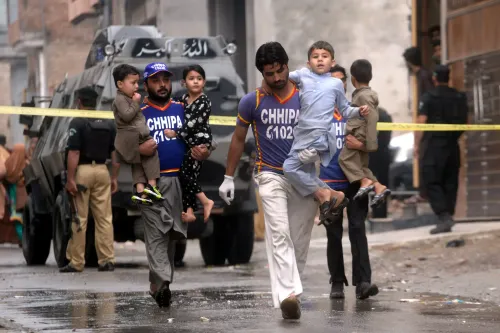
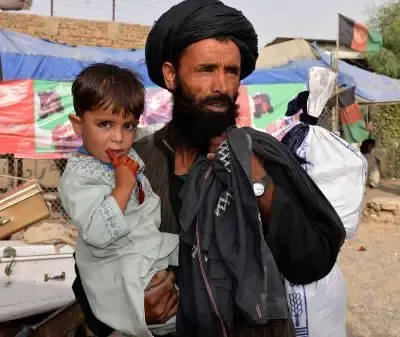
New Delhi, Jan 25 (NationPress) Tens of thousands of residents have fled the Tirah Valley in northwestern Pakistan in recent days, crowding into overloaded vehicles and facing arduous journeys in freezing temperatures, all in a bid to escape an impending military operation against the Tehrik-e-Taliban Pakistan (TTP) militants who control this strategically important border area near Afghanistan, according to media reports.
As reported by Radio Free Europe/Radio Liberty, the Pakistani military set a January 25 deadline for the evacuation of the valley, which houses around 150,000 people, mainly from the Pashtun ethnic group.
By late January 2026, approximately 80,000 individuals had already moved to Peshawar, the capital of Khyber Pakhtunkhwa province, and nearby regions, often abandoning their livelihoods, homes, and belongings.
The TTP, commonly referred to as the Pakistani Taliban, is a Deobandi jihadist militant group primarily active along the Afghanistan-Pakistan border. It is classified as a terrorist organization by both the United Nations and the Pakistani government.
In a poignant account, Saeed Khan, a shopkeeper who rented a truck for his extended family of 22, lamented the loss of his business, which was his only source of income, now left deserted. 'That shop is gone now, and so are my earnings. What should I do now?' he expressed.
Many others share similar tales of loss and uncertainty.
The exodus has been characterized by chaos and hardship.
Travelers are contending with congested roads filled with numerous security checkpoints, transforming what is usually a three-hour journey to Peshawar into a multi-day struggle.
Freezing nighttime temperatures below zero, coupled with shortages of food, water, and adequate sanitation, have exacerbated the suffering, particularly for families with women and children, the report noted.
In another instance, Ihsanullah, who traveled with relatives, recounted how one of his children fell ill during the journey. Despite urgent requests to security forces to clear the way for medical assistance, he was informed that it was not allowed. Tragically, the child later succumbed.
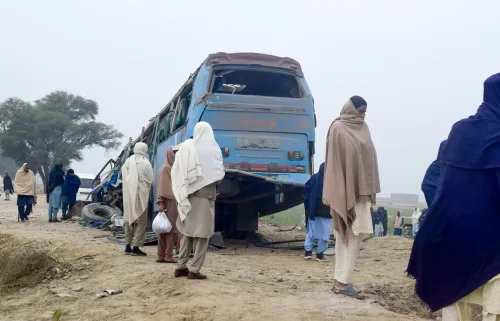
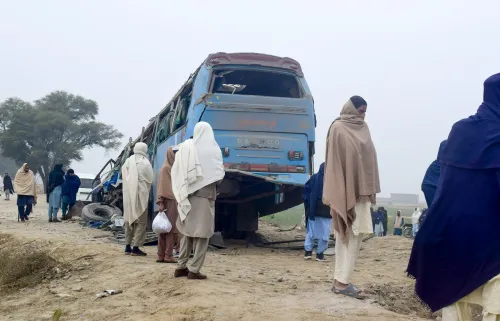
Separately, on January 22, two children lost their lives when their vehicle skidded off a snow-covered road and fell into a ravine due to heavy snowfall, according to the report.
Upon reaching locations like Bara near Peshawar, displaced families must register with authorities to secure financial aid of (Pakistani) Rs 250,000 (about $900) per family, intended to cover rent and essentials for the expected two-month duration of the operation.
For many in Tirah, this displacement is a painfully familiar occurrence. The valley has faced repeated military actions since the early 2000s, following the US-led invasion of Afghanistan.
Gulalai, a 25-year-old woman, recalled her family's first forced departure in 2010 during an anti-militant operation. They returned in 2019, only to discover their homes in ruins, with no compensation provided.
'Now, once again, they issued a deadline asking us to vacate our houses,' she said. There is strong opposition to the operation among locals, provincial government officials, and political leaders.
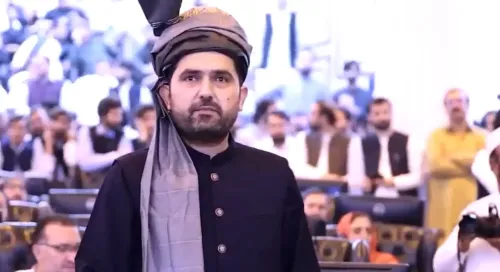
Opposition lawmaker Mahmood Khan Achakzai condemned the forced relocations in parliament, labeling it a form of 'terrorism' to displace people from their ancestral lands under such brutal conditions.
Khyber Pakhtunkhwa Chief Minister Sohail Afridi, from the Pakistan Tehrik-e-Insaf party, stated he had 'never supported the operation,' describing it as imposed 'by the barrel of a gun.'
Analysts are pointing to a pattern of futility in these military offensives.
Peshawar-based expert Riffatullah Orakzai informed the news outlet that over the past two decades, there have been 22 major army operations in the northwest, yet militants frequently retreat temporarily only to return when troops withdraw.
Tirah itself had previously been declared cleared of TTP presence, only to witness a resurgence. The urgency arises from a significant uptick in TTP-led insurgency.
According to the Pakistan Institute for Conflict and Security Studies (PICSS), 2025 recorded 3,387 combat-related deaths—a 73% increase from 1,950 in 2024—making it one of the deadliest years in recent memory for civilians, security forces, and militants alike.
The Taliban's 2021 takeover in Afghanistan has strengthened groups like the TTP through ideological links and alleged safe havens, contrary to Pakistan's expectations. Islamabad has accused Kabul of harboring militants and has conducted cross-border airstrikes in retaliation.
This latest wave of displacement underscores broader frustrations with repeated military interventions that disrupt lives without resulting in lasting peace. As families seek refuge in temporary shelters, the cycle of militancy, counter-operations, and civilian suffering continues in Pakistan's unstable northwest.
Point of View
It is our duty to provide an unflinching look at the humanitarian crisis unfolding in Tirah Valley. The plight of displaced families underscores the complexities surrounding military operations and their impact on civilians. We stand united with the affected communities, advocating for their rights and highlighting the urgent need for sustained peace and stability in the region.
NationPress
23 Sept 2026
Frequently Asked Questions
What is the current situation in Tirah Valley?
Tens of thousands are fleeing Tirah Valley due to an imminent military operation against TTP militants, facing severe hardships during their escape.
How many people have been displaced?
Approximately 80,000 individuals have relocated to Peshawar and surrounding areas as of late January 2026.
What challenges are the displaced families facing?
Displaced families are encountering freezing temperatures, food shortages, and congested travel routes, resulting in significant suffering, especially for women and children.
What is the historical context of this conflict?
The Tirah Valley has experienced multiple military campaigns since the early 2000s, with the TTP frequently resurfacing after temporary military actions.
What assistance is available for the displaced?
Displaced families can register for financial aid of Rs 250,000 (approximately $900) to cover basic needs during the anticipated military operation.