Mexican cartels turn rented homes into drug labs in India, NCB warns
Synopsis
Mexico's most violent cartel — CJNG — is no longer just shipping drugs into India; it is now manufacturing them here, inside rented homes in Greater Noida and Delhi, funded through crypto-to-hawala pipelines. A 380-kg meth bust worth ₹50 crore is the clearest evidence yet that India has shifted from a transit market to a production theatre for transnational narco networks.
Key Takeaways
The Cártel de Jalisco Nueva Generación (CJNG) is establishing clandestine drug production units inside rented homes in India , according to officials.
Funding is routed from Mexico to Dubai via cryptocurrency, then into India through hawala channels.
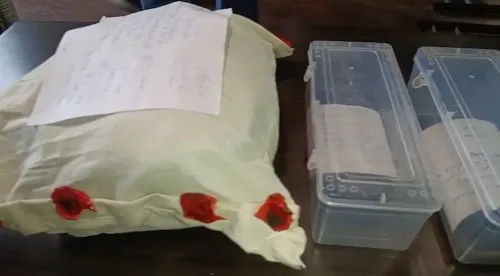
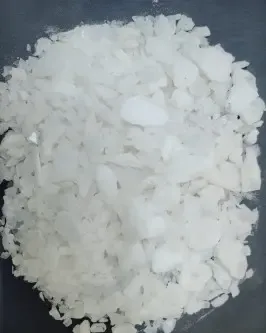
The NCB seized 380 kg of methamphetamine worth ₹50 crore from units in Greater Noida .
Operatives reportedly pose as students; Nigerian nationals and youth from northeastern India are preferentially recruited to avoid local suspicion.
Clandestine units are generating untreated chemical waste, contaminating drainage, water bodies, and soil.
The NCB has urged citizens to report suspicious activity to helpline MANAS at 1933 .
The Cártel de Jalisco Nueva Generación (CJNG), one of Mexico's most powerful and violent transnational criminal syndicates, is reportedly shifting from large cross-border drug shipments to local narcotics production inside India, using rented houses in densely populated neighbourhoods as clandestine manufacturing units, officials said on 20 October 2026. The strategy, which law enforcement officials describe as a direct response to tighter border security and multiple major seizures by Indian agencies, marks a significant escalation in the cartel's India operations.
How the Cartel Model Works
According to officials, cartel bosses abroad are instructing their India-based operatives to identify inconspicuous residential properties and convert them into narcotics production units. The funding for these units is routed directly from Mexico — transferred first to Dubai via cryptocurrency, and then channelled into India through hawala networks. The deliberate use of layered, low-profile financial routes indicates the operations are designed to evade detection at every stage.
Operatives reportedly prefer properties in densely populated areas where unusual activity is less likely to attract attention from neighbours or local authorities. An Intelligence Bureau official noted that the cartel deliberately avoids hiring locals for these units, since familiar faces raise suspicion. Instead, the preference is for Nigerian nationals or youth from northeastern India, who pose as students to secure accommodation. Landlords are reportedly less suspicious of student tenants, who also tend not to negotiate hard on rent.
Key NCB Seizure in Greater Noida
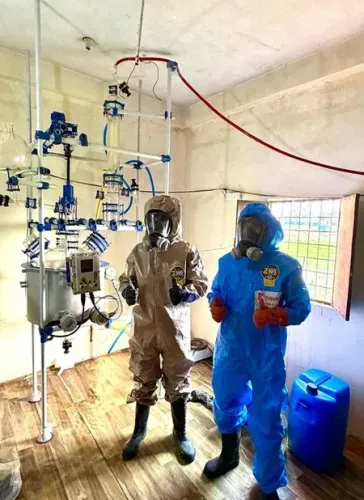
In its most recent operation, the Narcotics Control Bureau (NCB) seized 380 kg of methamphetamine worth ₹50 crore from production units in Greater Noida. The facility was equipped with glass reaction vessels, filtration machinery, large-capacity heating mantles, and laboratory apparatus — signalling an industrial-scale operation hidden within a residential neighbourhood. Officials say this is among the most significant domestic drug-lab busts in recent memory.
Environmental and Security Hazards
Beyond the narcotics threat, officials have flagged serious environmental consequences. These clandestine units generate large quantities of untreated chemical waste, leading to contamination of local drainage systems, water bodies, and soil. The hazard extends well beyond the immediate security concern, putting surrounding communities at risk even after a unit is dismantled.
NCB Advisory and What Citizens Can Do
The NCB has issued a public advisory urging homeowners and property dealers to stay vigilant. 'Citizens are encouraged to report suspicious indicators such as unusual chemical odors, unexplained storage of drums, or heavy lab equipment to the National Narcotics Helpline MANAS at 1933, reinforcing the nation's collective stride toward a Nasha Mukt Bharat,' the advisory stated. Officials say the primary areas of concern are currently New Delhi and Greater Noida, though the cartel reportedly has links in Mumbai as well, with plans to expand across more parts of the country.
Why India Is Now a Target
Officials explain that CJNG initially relied on China as its primary source for synthetic drug precursors. After Beijing tightened regulations on fentanyl and methamphetamine, the cartel's operations gradually shifted toward India. For the cartel, India represents both a large and growing consumer market and, now, a potential production base. Officials caution that the current operations are still relatively small-scale — the cartel is 'testing the waters' — but warn that local production units could multiply rapidly if left unchecked. The challenge for the NCB and other enforcement agencies is significant: clandestine residential labs are far harder to locate than large shipments at ports of entry.
Point of View
Hawala, and foreign student cover identities also signals a level of operational sophistication that India's enforcement architecture may not yet be calibrated to match. The ₹50 crore Greater Noida seizure is significant, but officials themselves acknowledge the cartel is still 'testing the waters' — meaning the harder challenge is still ahead, not behind.
NationPress
20 Oct 2026
Frequently Asked Questions
Which Mexican cartel is setting up drug labs in India?
The cartel is the Cártel de Jalisco Nueva Generación (CJNG), described by officials as one of the most powerful, influential, and violent transnational criminal syndicates operating globally. It is directing India-based operatives to rent houses and convert them into narcotics production units.
Why are Mexican cartels producing drugs inside India instead of smuggling them in?
Tighter border security and multiple large seizures by Indian agencies have made trafficking big consignments increasingly risky. Producing locally in small, rented residential units allows the cartel to serve India's demand while avoiding detection at ports of entry, according to officials.
What did the NCB seize in Greater Noida?
The NCB seized 380 kg of methamphetamine worth ₹50 crore from clandestine production units in Greater Noida. The facility contained glass reaction vessels, filtration machinery, heating mantles, and laboratory apparatus, indicating industrial-scale output from a residential setting.
How is the cartel funding its India operations?
According to officials, funds are transferred from Mexico to Dubai using cryptocurrency and then routed into India through hawala channels. This layered approach is designed to keep the financial trail low-profile and difficult to trace.
How can citizens report suspicious drug lab activity in their neighbourhood?
The NCB has advised citizens to report suspicious indicators — such as unusual chemical odours, unexplained drums, or heavy lab equipment — to the National Narcotics Helpline MANAS at 1933. Homeowners and property dealers have been specifically urged to remain vigilant when renting out properties.