Mexican cartels, Dawood syndicate, NE insurgents form narco nexus targeting India
Synopsis
Indian intelligence has uncovered a convergence no one wanted to see: Mexican cartel CJNG, the Dawood Ibrahim D-Syndicate, and northeast insurgent groups are reportedly teaming up to route drugs through India — using its porous borders for precursor smuggling and its coastline as a production base. Three massive at-sea seizures between 2024 and 2026, together worth over ₹40,000 crore, appear to have accelerated the alliance rather than broken it.
Key Takeaways
Indian intelligence agencies have uncovered a nexus between Mexican cartels , the Dawood Ibrahim syndicate , and insurgent groups in Myanmar and India's northeast .
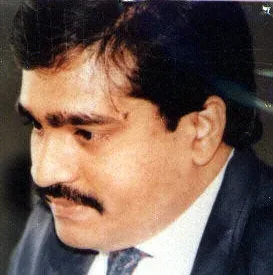
The Cartel Jalisco Nueva Generación (CJNG) has allegedly established direct links with Haji Salim , who manages the D-Syndicate's South India operations.
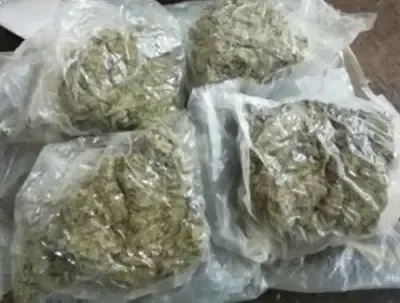
In November 2024 , 6,016.87 kg of methamphetamine worth ₹36,000 crore was seized in the Andaman Sea , linked to CJNG.
In September 2026 , 524 kg of methamphetamine worth ₹3,000 crore was seized in the Arabian Sea ; five Pakistani nationals linked to Haji Salim were arrested.
Officials warn that drug proceeds are allegedly being channelled to terror groups and northeast insurgents , raising national security concerns.
Cartels are reportedly seeking to source pseudoephedrine precursors through northeast India and Myanmar to manufacture methamphetamine for US and European markets.
Indian intelligence agencies have uncovered a transnational narcotics network linking Mexican drug cartels, the Dawood Ibrahim syndicate, and insurgent groups operating across Myanmar and India's northeast, with the alleged aim of using India as a production and transit hub for drugs destined for the United States and Europe. The development, flagged by senior Intelligence Bureau officials, marks a significant shift in the operational structure of international drug trafficking networks, according to intelligence assessments.
Why Cartels Are Converging
Intensified enforcement pressure — both in India and the United States — has reportedly pushed previously siloed criminal organisations toward a unified operating model. An Intelligence Bureau official said the traditional arrangement, whereby cartels maintained distinct geographic jurisdictions, is giving way to cross-network collaboration. 'These cartels realise that it would be best to work as one rather than independently. They feel that functioning together would make the job of the Indian agencies harder,' the official said.
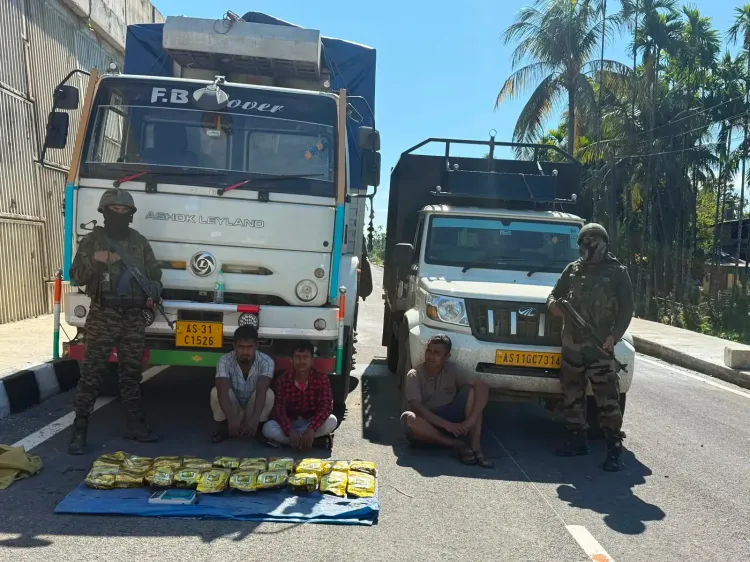
Mexican cartels, in particular, have faced mounting difficulty in procuring precursor chemicals such as pseudoephedrine — a key ingredient in methamphetamine production — following tightened enforcement by US agencies. According to officials, this shortage has driven them to seek alternative supply routes through insurgent-held territories in Myanmar and India's northeast, exploiting porous border stretches to smuggle precursors into the country.
The CJNG–Dawood Connection
Officials say recent intelligence intercepts have revealed direct communications between Cartel Jalisco Nueva Generación (CJNG), one of Mexico's most powerful drug trafficking organisations, and Haji Salim, who reportedly manages the D-Syndicate's South India operations. 'Recent chatter that the Indian intelligence agencies have intercepted points to the direct links between the Mexican Cartel Jalisco Nueva Generación (CJNG) and Haji Salim,' an official said. Salim has, according to officials, suffered significant operational setbacks owing to recent Indian law enforcement successes.
Officials indicate that the alliance between the D-Syndicate and Mexican cartels is partly a response to these losses — a consolidation strategy aimed at reducing exposure to interdiction. Notably, the proceeds from this narcotics network are also allegedly used to fund arms trafficking, with Pakistan-based elements of the cartel reportedly channelling revenue to terror groups operating against the Indian state.
Major Seizures Between 2024 and 2026
Indian agencies have recorded three significant at-sea drug busts between 2024 and 2026, with at least two directly linked to Mexican and South American cartels.
In November 2024, the Indian Coast Guard seized 6,016.87 kg of methamphetamine worth ₹36,000 crore in the Andaman Sea from a Myanmar-registered vessel. The consignment was linked to the CJNG. In May 2025, a joint operation by the Indian Coast Guard and the Gujarat Anti-Terrorism Squad (ATS) recovered 115 kg of cocaine valued at ₹1,150 crore off the Mundra Coast in Gujarat; the shipment was traced to South American origins. Most recently, in September 2026, 524 kg of methamphetamine worth ₹3,000 crore was seized in the Arabian Sea, approximately 160 nautical miles northwest of Lakshadweep. Five Pakistani nationals, all reportedly linked to Haji Salim, were arrested in the operation.
Northeast Insurgency and Terror Financing Concerns
Officials warn that the emerging narco-nexus carries national security implications beyond drug trafficking. In India's northeast, the proceeds of drug and arms smuggling are allegedly being funnelled to insurgent groups, sustaining local militancy. 'Both the insurgent groups in the Northeast and the Pakistan-based drug syndicates have a lot to gain from this association with the Mexican cartels. First, the operations would be unified, and this makes it harder for the Indian agencies. Secondly, the money that would be generated by working alongside the Mexican cartels is much bigger, and this helps in both fuelling terror and insurgency that would have an impact on India's national security,' officials said.
This comes amid a broader government push under Prime Minister Narendra Modi's administration toward a drug-free India, which officials say has directly contributed to the desperation driving these alliances. As enforcement tightens, security agencies are now recalibrating strategies to address the more complex, hydra-headed network that appears to be emerging.
Point of View
Not a failure of it — but it signals an inflection point. When disparate criminal networks merge under pressure, the resulting organisation is structurally harder to disrupt; taking down one node no longer guarantees breaking the chain. The terror-financing angle — with drug proceeds allegedly flowing to both Pakistani-linked groups and northeast insurgents — means this is no longer purely a narcotics enforcement problem; it is a national security architecture challenge. India's agencies have clearly landed blows, but the response from these networks suggests they are adapting faster than anticipated.
NationPress
4 Nov 2026
Frequently Asked Questions
What is the narco nexus uncovered by Indian intelligence agencies?
Indian intelligence agencies have identified a transnational network linking Mexican drug cartels, particularly CJNG, with the Dawood Ibrahim D-Syndicate and insurgent groups in Myanmar and India's northeast. The alliance reportedly aims to use India as a base to produce and transit narcotics — primarily methamphetamine and cocaine — destined for the US and European markets.
What is the role of CJNG in India's drug trafficking threat?
The Cartel Jalisco Nueva Generación (CJNG) is one of Mexico's most powerful drug cartels and has allegedly established direct communication links with Haji Salim of the Dawood syndicate. CJNG was linked to the November 2024 seizure of over 6,000 kg of methamphetamine in the Andaman Sea and is believed to be seeking precursor chemical supply routes through northeast India and Myanmar.
What major drug seizures have Indian agencies made in this context?
Between 2024 and 2026, Indian agencies recorded three major at-sea seizures: 6,016.87 kg of methamphetamine worth ₹36,000 crore in the Andaman Sea in November 2024 (linked to CJNG); 115 kg of cocaine worth ₹1,150 crore off Mundra coast in May 2025 (South American origin); and 524 kg of methamphetamine worth ₹3,000 crore in the Arabian Sea in September 2026 (five Pakistani nationals arrested, linked to Haji Salim).
How does this narcotics network threaten India's national security?
Officials say drug and arms trafficking proceeds are allegedly being channelled to terror groups operating against India and to insurgent outfits in the northeast. The unification of Mexican cartels, the D-Syndicate, and insurgent networks is considered a force-multiplier that makes interdiction significantly harder for Indian agencies.
Why are Mexican cartels targeting India specifically?
US enforcement agencies have severely restricted Mexican cartels' access to precursor chemicals like pseudoephedrine, needed to manufacture methamphetamine. India's northeastern borders and proximity to Myanmar — a major source of precursors — make it a strategically attractive transit and production base, according to intelligence officials.