Canadian PM: Middle East Conflict Highlights Global Order Failures
Synopsis
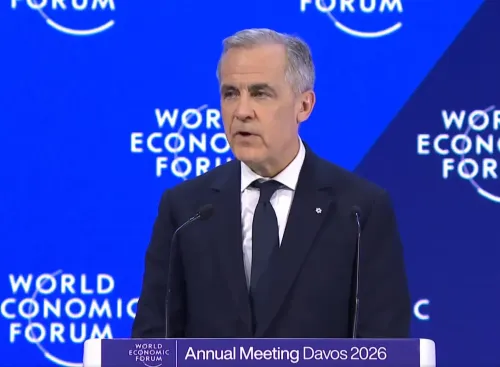
Canadian Prime Minister Mark Carney warns that the escalating Middle East conflict underscores the breakdown of the international rules-based order. He emphasizes that decades of diplomacy have failed to curtail Iran's nuclear ambitions, calling for urgent international action and adherence to diplomatic engagement.
Key Takeaways
Middle East conflict reflects failure of global order.
Decades of efforts have not curtailed Iran's nuclear ambitions .
Need for adherence to international law emphasized.
Call for urgent diplomacy to protect civilians.
International pressure on Iran has been ineffective.
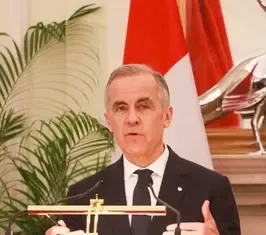
Washington, March 4 (NationPress) Canadian Prime Minister Mark Carney stated that the intensifying conflict in the Middle East mirrors the shortcomings of the global order based on international protocols. He cautioned that years of diplomatic efforts and sanctions have failed to curtail Iran’s aspirations for nuclear capabilities.
During a press briefing on Tuesday in Sydney, while abroad, Carney pointed out that the ongoing crisis illustrates the difficulties faced by global institutions in managing Iran, despite extensive negotiations and sustained international pressure.
“We express this standpoint with deep regret as the current turmoil serves as yet another illustration of the international order's ineffectiveness,” Carney remarked.
He emphasized that various international efforts have been in place for years attempting to restrict Iran's nuclear program but have not yielded success.
“In spite of decades of resolutions from the UN Security Council, relentless endeavors by the International Atomic Energy Agency, and numerous sanctions and diplomatic frameworks, the nuclear threat posed by Iran persists,” he noted.
Carney reaffirmed Canada’s long-held belief that Iran is a significant destabilizing factor in the region.
“Canada has long recognized Iran as the primary source of instability and terrorism in the Middle East,” he stated, adding that the regime and its affiliates have inflicted extensive suffering.
“The regime and its affiliates have claimed the lives of hundreds, including Canadian citizens, and have caused immeasurable distress to millions in the Middle East and beyond,” he added.
Canada remains committed to initiatives aimed at preventing Iran from achieving nuclear weapons capabilities, he mentioned.
“We advocate for measures to thwart Iran from acquiring nuclear arms and to stop its regime from further jeopardizing international peace and security,” Carney asserted.
He also recognized the implications of the recent escalation.
“Currently, the United States and Israel have taken action without involving the United Nations or consulting with allies, including Canada,” he said.
Carney emphasized the necessity of adhering to international law for all parties engaged in the conflict.
“Canada reaffirms that international law binds all combatants,” he stated.
He condemned Iranian attacks targeting civilians across the region.
“We denounce the assaults carried out by Iran on civilians and civilian infrastructure throughout the Middle East,” he remarked.
He also called for restraint from all involved.
“We urge all stakeholders, including the United States and Israel, to uphold the principles of international engagement,” he said.
Carney appealed for an immediate reduction in hostilities, cautioning that the rapidly escalating conflict could jeopardize civilian lives.
“Canada calls for swift de-escalation of hostilities and is ready to assist in achieving this objective,” he stated.
He reiterated that diplomatic efforts are the sole feasible route to resolving the crisis.
“Engagement through diplomacy is vital to prevent a broader and deeper conflict. Innocent civilians must be safeguarded, and all parties should commit to establishing lasting agreements to end both nuclear proliferation and terrorist extremism,” he concluded.
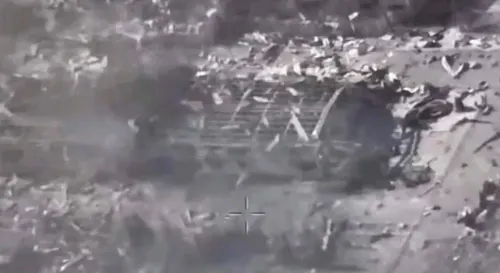
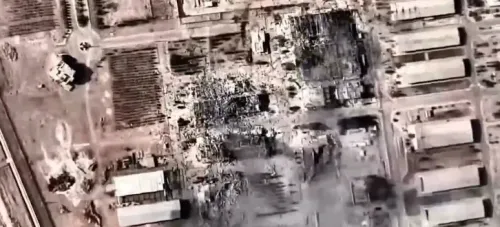
The crisis in the Middle East has intensified following military actions aimed at Iranian nuclear sites and escalating tensions across the region, raising alarms about global safety and energy markets.
Iran’s nuclear program has been a focal point of international diplomacy for over twenty years, with negotiations, sanctions, and monitoring efforts aimed at preventing Tehran from developing nuclear weapons.
Point of View
The statements made by Prime Minister Carney reflect a serious concern regarding the effectiveness of international diplomatic efforts. The ongoing crisis in the Middle East emphasizes the need for a robust and unified approach to global stability, highlighting the importance of adhering to international law and engaging in meaningful dialogue.
NationPress
29 Sept 2026
Frequently Asked Questions
What did the Canadian Prime Minister say about the Middle East conflict?
Mark Carney stated that the escalating Middle East conflict highlights the failure of the international rules-based order and that years of diplomacy and sanctions have not succeeded in curbing Iran's nuclear ambitions.
What is Canada's stance on Iran's nuclear program?
Canada views Iran as a major destabilizing force in the Middle East and supports efforts to prevent the country from developing nuclear weapons.
How does the Canadian PM view international diplomatic efforts?
Carney believes that international mechanisms have struggled to address Iran's nuclear program effectively, despite extensive negotiations and resolutions.
What does Carney call for regarding the conflict?
He calls for a rapid de-escalation of hostilities and emphasizes the importance of diplomacy to protect civilians and promote stability.
What are the implications of the Middle East crisis?
The crisis raises concerns about global security and energy markets, particularly in light of military actions targeting Iranian nuclear facilities.