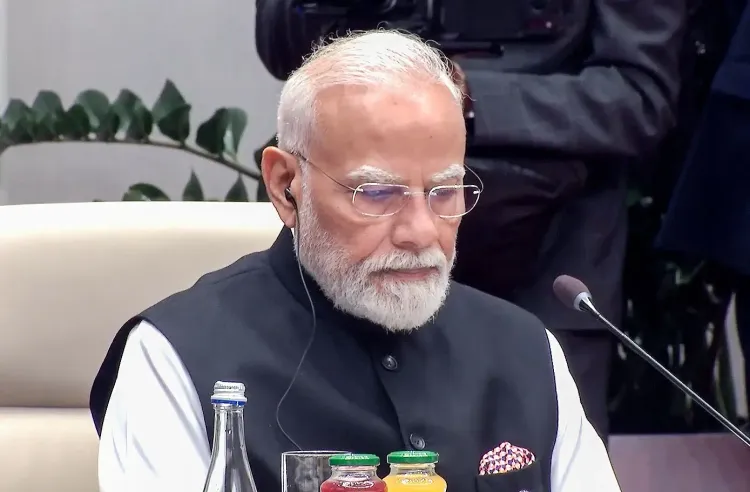
Modi completes 25 years in executive office, joins rare global club
Synopsis
On 7 October 2026, Narendra Modi crosses 25 uninterrupted years in executive office — a milestone no Indian leader has reached before. Achieved through successive electoral mandates in the world's largest democracy, it places him alongside Lee Kuan Yew and a handful of others who have governed continuously for a quarter-century or more.
Key Takeaways
PM Narendra Modi completes 25 uninterrupted years in executive office on 7 October 2026 , starting as Gujarat Chief Minister from 7 October 2001 .
He surpasses Pawan Kumar Chamling's Indian record of 24 years and 165 days as Chief Minister of Sikkim ( December 1994 – May 2019 ).
Other long-serving Indian CMs include Naveen Patnaik ( 24 years, 99 days ) and Jyoti Basu ( 23 years, 137 days ).
The global democratic benchmark is Singapore's Lee Kuan Yew , who served 31 continuous years from 1959 to 1990 .
Modi's milestone is considered distinctive for being achieved through repeated electoral mandates in a highly competitive multiparty democracy.
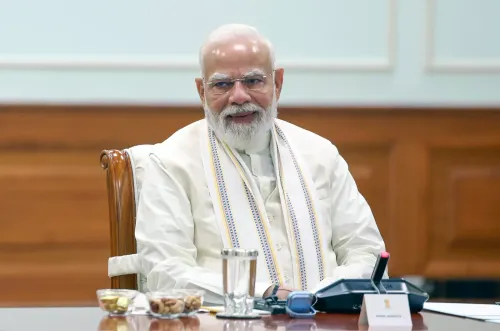
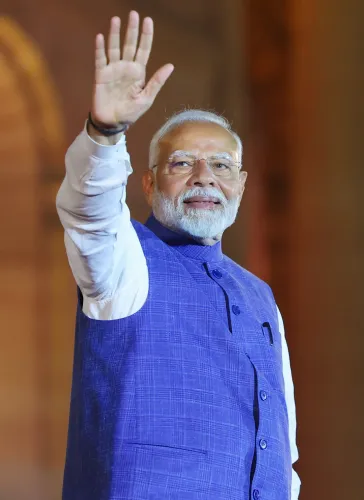
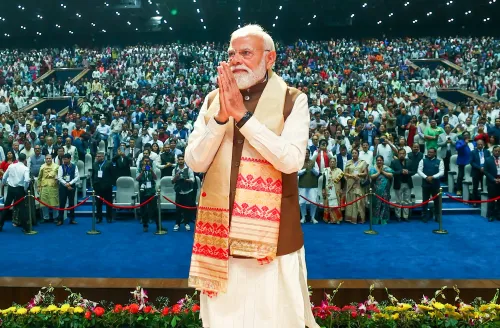
Prime Minister Narendra Modi on 7 October 2026 marks 25 uninterrupted years in executive office, a milestone that places him among a handful of democratic leaders worldwide who have held continuous governmental authority for a quarter-century or more. His tenure began when he was sworn in as Chief Minister of Gujarat on 7 October 2001, and has continued through three successive terms as Prime Minister.
A Record Within India
Within India, Modi has already surpassed the previous benchmark set by Pawan Kumar Chamling, the Sikkim Democratic Front leader who served as Chief Minister of Sikkim from December 1994 to May 2019 — a tenure of 24 years and 165 days, and the longest unbroken run as head of an elected government in the country's history until now.
Other long-serving Chief Ministers include Naveen Patnaik of Odisha, who led the state under the Biju Janata Dal (BJD) banner from March 2000 to June 2024, a span of 24 years and 99 days. Patnaik, now 79, earned wide recognition for his disaster management record and women's empowerment programmes. Jyoti Basu governed West Bengal between June 1977 and November 2000 — 23 years and 137 days — steering a Communist Party of India (Marxist)-led Left Front government that pursued land reforms and rural development.
The Global Benchmark
Internationally, Singapore's founding Prime Minister Lee Kuan Yew remains the modern reference point for democratic executive longevity, having governed continuously from 1959 to 1990 — a span of 31 years. Under his stewardship, Singapore transformed from a newly independent, resource-scarce island nation into one of the world's wealthiest economies per capita.
In Cambodia, Hun Sen served as Prime Minister from 1985 until 2023, making him one of the longest-serving heads of government in the contemporary world, though his record is widely regarded as controversial. Malaysia's Mahathir Mohamad accumulated a cumulative tenure of over 24 years across two stints — 1981 to 2003 and 2018 to 2020 — though his service was not continuous.
Other Long-Serving Leaders
Russia's Vladimir Putin, having served as both President and Prime Minister across multiple terms, has accumulated a cumulative period of 27 years in executive office and continues in power. In Germany, Helmut Kohl served as Chancellor from 1982 to 1998 — over 16 years — while Angela Merkel held the same office from 2005 to 2021, with Kohl's tenure exceeding Merkel's by a reported 10 days. In China, Xi Jinping has served as General Secretary of the Chinese Communist Party (CCP) and Chairman of the Party Central Military Commission since 2012, and as President of China since 2013.
What Makes Modi's Milestone Distinctive
Analysts note that what sets Modi's 25-year mark apart is not merely its duration but the context in which it was achieved — through repeated electoral mandates in a multiparty, competitive democracy that is also the world's largest by voter count. Several of the comparable global tenures occurred in single-party systems or under conditions where political competition was constrained. This is the first time in independent India's history that a single leader has held uninterrupted executive power across both a state and the Union government for such a sustained period.
Point of View
But the framing matters. Modi's tenure spans two distinct phases — state governance in Gujarat and national power in New Delhi — and conflating them, while technically valid, flattens a complex democratic journey into a longevity statistic. The more searching question is what those years have produced: Gujarat's growth model was once cited globally; the national record is contested and contested loudly. Longevity in a democracy is not self-validating — Lee Kuan Yew's 31 years are admired because Singapore's outcomes were transformative; the leaders who governed longest without transforming their countries are largely forgotten. The '25 years' framing will resonate with supporters as proof of continued public trust; critics will ask whether institutional checks have kept pace with executive concentration. Both readings deserve to be aired.
NationPress
6 Oct 2026
Frequently Asked Questions
When did PM Modi complete 25 years in executive office?
PM Narendra Modi completed 25 uninterrupted years in executive office on 7 October 2026, the anniversary of his swearing-in as Chief Minister of Gujarat on 7 October 2001. His tenure has continued through three terms as Prime Minister without a break.
Whose Indian record does Modi surpass with this milestone?
Modi surpasses the record previously held by Pawan Kumar Chamling, who served as Chief Minister of Sikkim from December 1994 to May 2019 — a tenure of 24 years and 165 days — making him the longest-serving head of an elected government in India until now.
Which global leaders have served longer in continuous executive office?
Singapore's founding Prime Minister Lee Kuan Yew is the most cited democratic benchmark, having served continuously for 31 years from 1959 to 1990. Cambodia's Hun Sen served from 1985 to 2023, though his record is widely regarded as controversial.
Why is Modi's 25-year milestone considered distinctive?
Analysts note that it was achieved through repeated electoral mandates in a highly competitive multiparty democracy — the world's largest by voter count. Many comparable global tenures occurred in single-party systems or under limited political competition.
Who are the other long-serving Chief Ministers in India?
Naveen Patnaik governed Odisha for 24 years and 99 days between March 2000 and June 2024 under the Biju Janata Dal. Jyoti Basu led West Bengal for 23 years and 137 days from June 1977 to November 2000, heading a Communist Party of India (Marxist)-led Left Front government.