PM Modi meets Gujarat BJP tribal leaders at Parliament as Monsoon Session opens
Synopsis
On the opening day of Parliament's Monsoon Session, PM Modi held a guidance meeting with Gujarat BJP's tribal leadership — but the day's bigger story was the opposition's aggressive disruption over NEET and the Ram temple donation row, leaving the Lok Sabha and Rajya Sabha adjourned repeatedly and only a Supreme Court judges' strength bill introduced before proceedings collapsed.
Key Takeaways
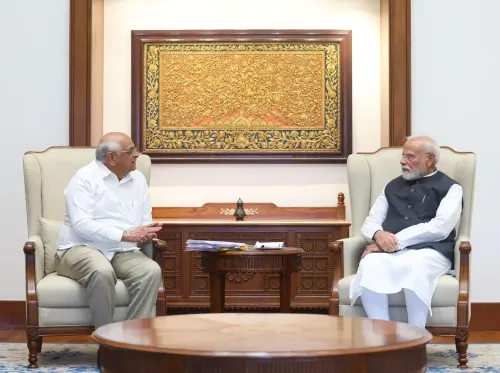
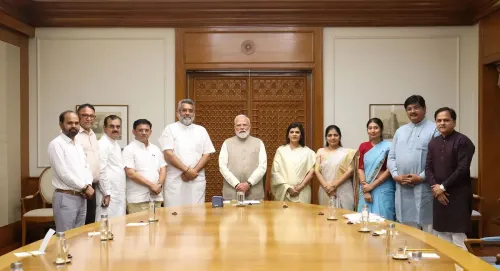
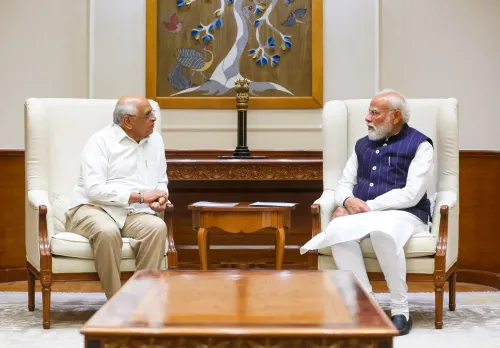
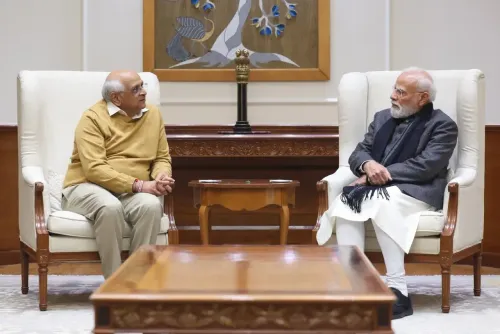
PM Narendra Modi met a Gujarat BJP tribal leaders' delegation at Parliament House on 20 July , the opening day of the Monsoon Session.
The delegation included Tribal Development Minister Naresh Patel , MoS P.C.
Baranda and Ramesh Katara , Lok Sabha Chief Whip Dhaval Patel , and Rajya Sabha MP Mukesh Rathwa .
The Monsoon Session runs from 20 July to 13 August 2024 across 19 sittings .
Opposition disruptions over the NEET paper leak and alleged Ram temple donation theft forced repeated adjournments in both Houses.
The government introduced a Bill to raise Supreme Court judge strength from 34 to 38 , but little other legislative business was completed on day one.
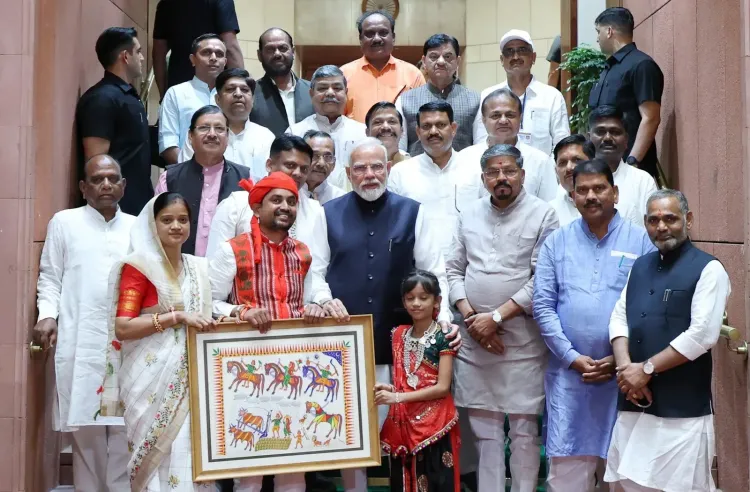
Prime Minister Narendra Modi on Monday, 20 July met a delegation of Gujarat Bharatiya Janata Party (BJP) leaders from the tribal community at Parliament House, New Delhi, on the opening day of the Monsoon Session of Parliament. The courtesy visit, described by the state BJP unit as an 'inspiring' interaction, saw the delegation seek the Prime Minister's guidance on matters of concern to tribal communities.
Who Was in the Delegation
The delegation was a high-profile representation of Gujarat's tribal political leadership. It included Naresh Patel, state Tribal Development Minister; Ministers of State P.C. Baranda and Ramesh Katara; Dhaval Patel, Lok Sabha Chief Whip and Member of Parliament; and newly appointed Rajya Sabha MP Mukesh Rathwa. Also present were Ganpat Vasava, BJP Tribal Morcha president and former state minister, along with BJP MLAs from tribal constituencies and other prominent tribal leaders from across Gujarat.
'The leaders met Prime Minister Modi and received his guidance during the interaction,' party leaders said.
Monsoon Session: Schedule and Government's Stance
The Monsoon Session is scheduled to run from 20 July to 13 August, spanning 19 sittings. Ahead of its commencement, the government had appealed to all political parties to ensure smooth functioning of Parliament and expressed readiness to take up important issues in line with parliamentary rules and procedures.
Opening Day Disruptions
The session's first day was, however, marked by repeated disruptions in both Houses. In the Lok Sabha, Speaker Om Birla opened proceedings with obituary references to former Members of Parliament before urging members to allow the House to function smoothly. Opposition MPs, however, raised slogans and displayed placards, demanding discussions on the NEET paper leak controversy and the alleged theft of donations at the Ram temple, forcing multiple adjournments.
Despite the turbulence, the government managed to introduce a Bill to replace an ordinance proposing an increase in the sanctioned strength of Supreme Court judges from 34 to 38, including the Chief Justice of India. Little other legislative business could be transacted on the day.
Rajya Sabha Also Disrupted
Parallel scenes unfolded in the Rajya Sabha, where protests similarly forced repeated adjournments before proceedings were called off entirely for the day. The contentious opening has set a combative tone for the remainder of what is expected to be a legislatively significant session.
With 19 sittings still ahead and several key bills in the pipeline, the government and the opposition are expected to negotiate the terms of engagement in the coming days.
Point of View
And maintaining direct access to the Prime Minister signals continued BJP investment in a constituency that proved decisive in the 2022 state elections. More telling, however, is the opening-day chaos in Parliament: the opposition's simultaneous push on NEET and the Ram temple donation row suggests a coordinated strategy to deny the government a clean legislative runway. With 19 sittings and a packed bill calendar, the ruling coalition will need to negotiate hard to avoid a session remembered more for adjournments than legislation.
NationPress
20 Oct 2026
Frequently Asked Questions
Why did PM Modi meet Gujarat BJP tribal leaders at Parliament?
Prime Minister Narendra Modi met the Gujarat BJP tribal delegation on 20 July for a courtesy visit on the opening day of the Monsoon Session. According to the state BJP unit, the leaders sought the Prime Minister's guidance in what was described as an 'inspiring' interaction.
Who were the members of the Gujarat BJP tribal delegation that met PM Modi?
The delegation included Tribal Development Minister Naresh Patel, Ministers of State P.C. Baranda and Ramesh Katara, Lok Sabha Chief Whip Dhaval Patel, newly appointed Rajya Sabha MP Mukesh Rathwa, BJP Tribal Morcha president Ganpat Vasava, and BJP MLAs from tribal constituencies across Gujarat.
What is the schedule for the 2024 Monsoon Session of Parliament?
The Monsoon Session of Parliament is scheduled to run from 20 July to 13 August 2024, covering 19 sittings. The government had urged all parties to ensure smooth functioning and expressed readiness to discuss key issues under parliamentary rules.
Why was the Monsoon Session's opening day disrupted?
Opposition MPs in both the Lok Sabha and Rajya Sabha raised slogans and displayed placards demanding discussions on the NEET paper leak controversy and the alleged theft of donations at the Ram temple, leading to multiple adjournments in both Houses.
What legislation was introduced on the first day of the Monsoon Session?
The government introduced a Bill to replace an ordinance that increases the sanctioned strength of Supreme Court judges from 34 to 38, including the Chief Justice of India. However, repeated disruptions meant little other legislative business could be completed on the opening day.