How Did PM Modi Reflect on M.L. Mittal's Legacy?

Synopsis
The recent passing of industrialist M.L. Mittal has stirred emotions in business and political landscapes alike, especially due to his shared experiences with a youthful Narendra Modi. These anecdotes highlight Modi’s humble beginnings and unwavering dedication to service, making his legacy even more profound. Discover the remarkable bond formed between these two influential figures.
Key Takeaways
Mittal was a revered industrialist, leaving a lasting legacy.
His personal anecdotes about Modi illuminate the Prime Minister's humble beginnings.
Modi's commitment to service and simplicity was evident in his lifestyle.
The bond between Mittal and Modi reflects shared values of humility and dedication.
Mittal's passing highlights the importance of remembering leaders' roots.
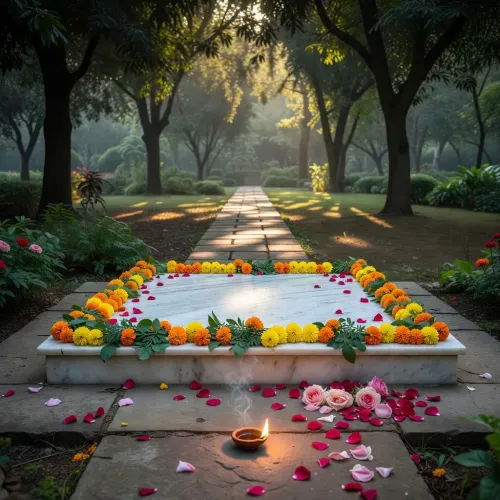
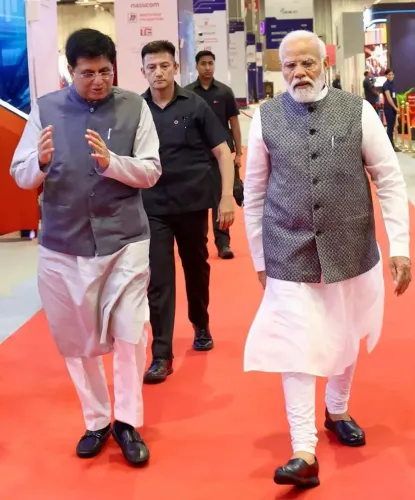
New Delhi, Jan 17 (NationPress) Renowned industrialist M.L. Mittal passed away on Friday, January 16, 2026, sparking profound grief throughout both business and political communities. His remarkable personal stories about a young Narendra Modi—then a humble RSS pracharak and burgeoning BJP leader—preceded his rise to power and have left a lasting impact.
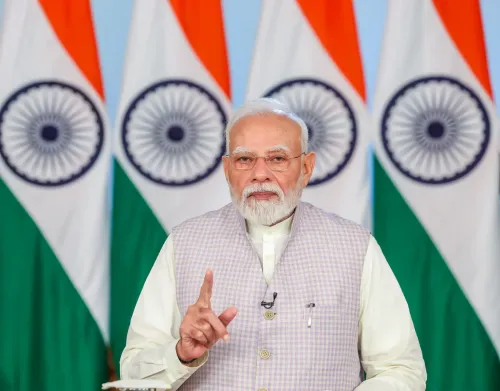
Prime Minister Narendra Modi took to social media to convey his sorrow, stating: “Shri Mohan Lal Mittal Ji made significant contributions to the industrial sector while passionately supporting Indian culture. His philanthropic initiatives mirrored his commitment to societal betterment. I am deeply saddened by his departure and will treasure our moments together. My condolences go out to his family and supporters.”
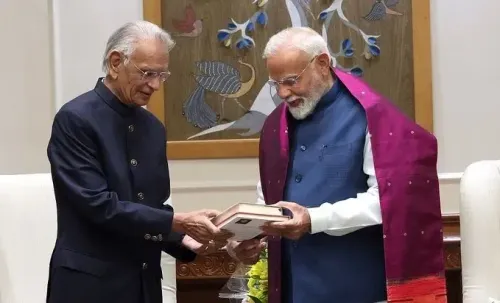
The paths of Mittal and Modi first intertwined in 1998 during a United Nations-affiliated program in New York that focused on poverty alleviation and the ancient Indian principle of “Vasudhaiva Kutumbakam”—conceptualizing the world as one family.
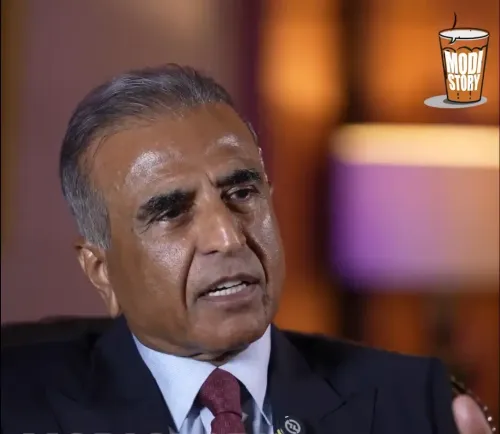
In a video shared on the popular social media account ‘Modi Story’ on X, Mittal reminisced about his enlightening encounters with the early days of PM Modi. Even then, he was impressed by Modi's vast knowledge and practical mindset. He confidently discussed global outreach through RSS branches and invited Mittal to collaborate on those initiatives internationally. What began as a professional relationship evolved into a deep camaraderie built on shared ideals of service and modesty.
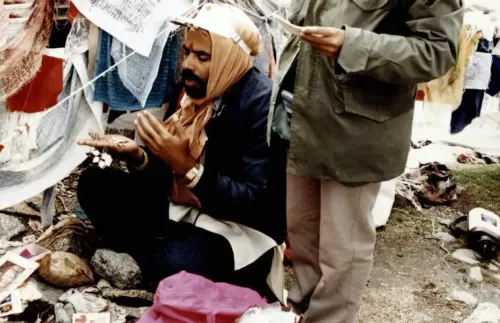
Throughout the years, Mittal welcomed him during overseas visits, particularly in Trinidad and Tobago about 25 years ago. Despite having only four bedrooms in his home, Mittal offered his air-conditioned room to Modi, but the Prime Minister graciously declined. Instead, he chose a small utility room intended for ironing clothes—without air-conditioning or an attached bathroom—explaining, “For me, this is suitable.”
“Every morning at 5 a.m., Modi ji would rise quietly,” prepare tea and breakfast for everyone—including senior karyakartas—before anyone else awoke. This level of self-discipline and quiet thoughtfulness left a profound impression on Mittal, who reminisced. Later, while serving as the BJP national general secretary in Delhi, Mittal visited Modi's modest MP quarters. Expecting some signs of his status, he found a basic servant room with no fan during the summer—only a hand fan—where “Modiji was writing under dim lighting.”
When Mittal playfully remarked on the perks of leadership, Modi smiled and responded that while the office held authority, home remained a privilege granted by the MP. He fetched water himself, adhered to a strict routine, and during travels, he saved from his modest $25 daily allowance to return unused funds to party headquarters for public projects.
“Food was equally simple: fruits when fasting or just jaggery and peanuts. This is my lifestyle,” he explained to Mittal. Mittal often recounted these instances with respectful admiration, emphasizing that “Modi ji's humility was genuine and not superficial”—a dedication to serving the common person without any show. Despite rising responsibilities, his core values remained unaltered; he avoided hotels, preferred staying with swayamsevaks, and maintained a monk-like detachment from luxury.
In a time of rapid transformation, Mittal's stories provide a poignant reminder of the values and roots that shaped one of India's most significant leaders. His passing not only leaves a gap in the industrial sector but also cherished memories of a friendship grounded in simplicity.
Point of View
It is essential to recognize the significance of personal narratives in shaping public perception of influential figures. The bond between M.L. Mittal and Prime Minister Modi illustrates how humility and service can transcend power dynamics. Such stories enrich our understanding of leaders and remind us of their roots, making them relatable to the common man.
NationPress
2 Oct 2026
Frequently Asked Questions
Who was M.L. Mittal?
M.L. Mittal was a prominent industrialist known for his contributions to various sectors and philanthropy, deeply respected in both business and political circles.
What was Narendra Modi's relationship with M.L. Mittal?
M.L. Mittal shared a close relationship with Narendra Modi, recounting personal anecdotes that highlighted Modi's humility and dedication to public service during his early years.
What impact did Mittal have on Modi's life?
Mittal's insights and shared experiences provided a unique perspective on Modi's character and values, emphasizing the significance of humility and service in leadership.
How did PM Modi commemorate M.L. Mittal's legacy?
Prime Minister Modi expressed his condolences on social media, reflecting on Mittal's contributions to industry and culture while cherishing their interactions.
What can be learned from M.L. Mittal's stories?
Mittal's narratives serve as a reminder of the values and simplicity that shaped one of India's most influential leaders, showcasing the importance of humility in leadership.