PM Modi's Mann Ki Baat mention puts Purnia makhana on global map, youth flock to cultivation
Synopsis
A single mention in 'Mann Ki Baat' has sent ripples through Purnia's makhana economy. PM Modi's shoutout — highlighting Bihar fox nuts reaching Greece — has energised traders, attracted youth entrepreneurs, and renewed calls for a dedicated makhana board. It is a striking illustration of how prime ministerial airtime can move an agri-value chain.
Key Takeaways
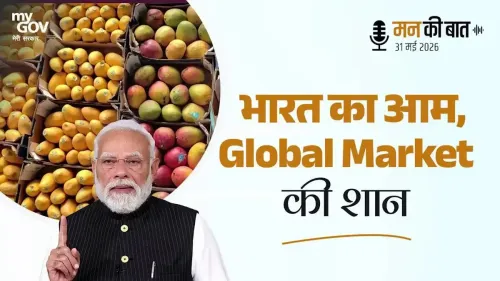
PM Modi highlighted Purnia makhana reaching Greece during the 139th episode of Mann Ki Baat on 25 October 2026 .
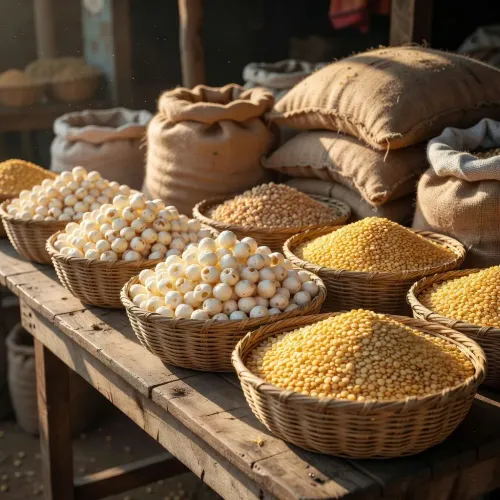
Traders and cultivators in Bihar's Purnia district say the mention has boosted trade inquiries and global market interest.
Aditya Kejriwal , President of Chamber of Commerce, Purnia , said thousands of young people are now entering makhana cultivation and trade.
Product diversification is underway — makhana is now sold as flavoured chips in addition to its traditional form.
Local traders have called for a dedicated 'makhana board' for efficient and optimum production of the superfood.
The government is reportedly providing subsidies for makhana cultivation and modern farming techniques are being adopted.
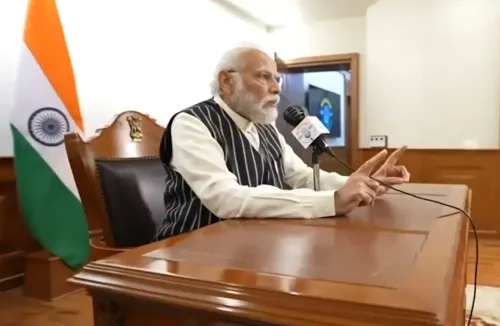
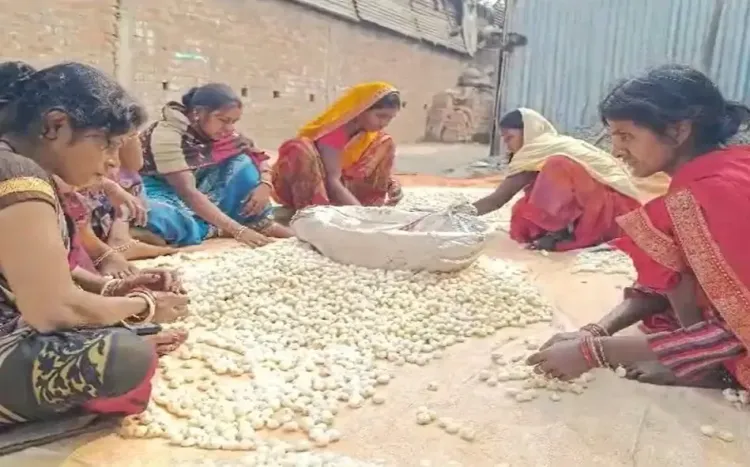
Makhana cultivators and traders in Bihar's Purnia district are riding a wave of enthusiasm after Prime Minister Narendra Modi specifically highlighted the region's fox nut crop during the 139th episode of 'Mann Ki Baat' on Sunday, 25 October 2026. The Prime Minister's remarks — noting that Purnia makhana was now reaching as far as Greece — have reportedly accelerated exports and drawn local youth toward the cultivation and trade of the superfood.
What Modi Said
During 'Mann Ki Baat', Prime Minister Modi cited Purnia makhana reaching Greece and arhar dal from Kalaburagi, Karnataka being exported to the Maldives as examples of new global markets opening for Indian farmers. He framed both as evidence of the 'Vocal for Local' initiative taking root, creating fresh opportunities for farmers and local producers across the country. The mention was brief but, according to traders, its impact on sentiment and trade inquiries has been immediate.
Traders and Commerce Body Welcome the Recognition
Aditya Kejriwal, President of the Chamber of Commerce, Purnia, described the Prime Minister's reference as a matter of regional pride. 'Prime Minister's mention of makhana is a matter of pride for people of Purnia. Prime Minister spoke extensively about the development of makhana trade and has taken several initiatives to support it. There has been a significant transformation in the makhana business over the last decade,' Kejriwal said.
He added that government encouragement had already begun reshaping the workforce: 'Thanks to the encouragement from PM Modi, thousands of young people are now engaging in makhana cultivation and trade. Today, makhana has a global market; it is an excellent food product in every respect. PM Modi has done a great deal for the growth of the makhana industry.'
Kejriwal also pointed to structural improvements in farm economics. 'Makhana is being embraced as a superfood. Previously, farmers did not earn a good income from makhana, but now their earnings from its cultivation have increased. Modern techniques are being employed in makhana farming, and the government is also providing subsidies for its cultivation,' he noted.
Product Innovation and New Entrepreneurs
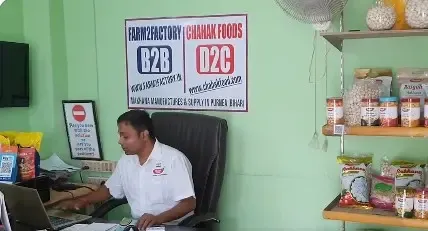
Beyond raw cultivation, the makhana industry in Purnia is witnessing product diversification. A local trader noted that makhana is now available as chips in a variety of flavours, expanding its consumer appeal well beyond traditional use. 'The market for makhana is set to expand significantly in the coming days,' the trader said, adding that many young people are being drawn toward the industry and trade.
Notably, new entrepreneurs — many stepping outside conventional farming — are also entering the makhana value chain, signalling a broader economic shift in the region. The same trader called for the establishment of a dedicated 'makhana board' to ensure efficient and optimum production of the crop.
Background: Makhana's Growing Economic Footprint
Purnia and the broader Mithila belt of Bihar account for a significant share of India's makhana output. The crop has gained international recognition as a high-protein, low-calorie superfood, boosting its export potential. This comes amid a broader Central government push to promote geographic-indicator-tagged agri products in global markets, with makhana from Bihar being one of the flagship examples. The Prime Minister's public endorsement adds a fresh layer of visibility to years of quieter policy support.
What Comes Next
Industry stakeholders are now calling for institutional support — including the proposed makhana board — to translate the current momentum into sustained growth. If export volumes to markets like Greece and beyond continue to rise, Purnia's makhana industry could emerge as a model for how targeted prime ministerial attention combined with ground-level entrepreneurship can accelerate agri-export chains. All eyes are now on whether the Centre translates the public endorsement into a formal institutional mechanism for the crop.
Point of View
Pricing, and export certification. Without that architecture, the current momentum risks remaining episodic, tied to media cycles rather than embedded in durable market infrastructure. The question for policymakers is whether 'Vocal for Local' will graduate from a narrative device into a measurable export strategy for Purnia's most distinctive crop.
NationPress
25 Oct 2026
Frequently Asked Questions
What did PM Modi say about makhana in Mann Ki Baat?
PM Modi, in the 139th episode of 'Mann Ki Baat' on 25 October 2026, highlighted that makhana from Bihar's Purnia district was reaching global markets including Greece. He cited it as an example of Indian farm produce finding new international destinations under the 'Vocal for Local' initiative.
Why is Purnia significant for makhana production?
Purnia and the broader Mithila belt of Bihar account for a major share of India's makhana (fox nut) output. The crop has gained global recognition as a high-protein, low-calorie superfood, making Bihar the country's primary hub for its cultivation and export.
How has the Mann Ki Baat mention affected makhana trade?
According to traders and the Chamber of Commerce in Purnia, PM Modi's mention has boosted trade sentiment, increased global market interest, and encouraged local youth to enter makhana cultivation and trade. Thousands of young entrepreneurs are reportedly now engaging with the sector.
What is the demand for a makhana board?
Local traders in Purnia have called for the establishment of a dedicated 'makhana board' to oversee efficient and optimum production, quality standards, and export coordination for the crop. No such board currently exists, and the demand reflects the industry's push for formal institutional support.
What new products are emerging from the makhana industry?
Beyond raw fox nuts, Purnia's makhana industry is diversifying into value-added products such as flavoured makhana chips, which are expanding the crop's consumer base domestically and internationally. New entrepreneurs are entering the value chain, moving beyond traditional farming practices.