Did a Group of Villagers Burn a Mother and Her Son Alive Over Witchcraft Accusations in Jharkhand?
Synopsis
A shocking incident in Jharkhand, where a mother and her minor son were brutally burnt alive over witchcraft suspicions, highlights the dark reality of witch-hunting in rural India. The community's baseless allegations led to this horrific crime, raising urgent questions about societal beliefs and justice.
Key Takeaways
Tragic incident of witchcraft-related violence in Jharkhand.
Victims: a mother and her minor son.
12 villagers involved, all have surrendered.
Ongoing investigation into the circumstances.
Continued issue of witch-hunting despite laws against it.
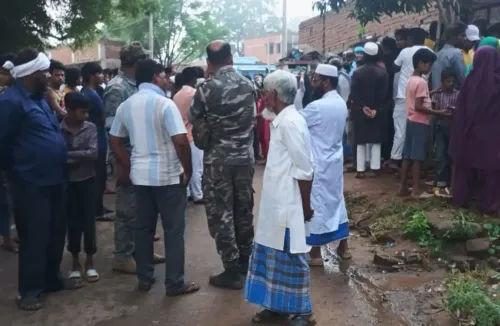
Chaibasa (Jharkhand), Feb 18 (NationPress) In a horrifying event that has shaken the entire state of Jharkhand, a mother and her young son were tragically set on fire by a group of villagers who suspected them of engaging in witchcraft in the West Singhbhum district, according to officials on Wednesday.
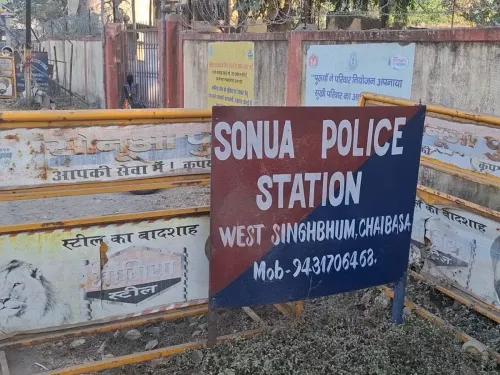
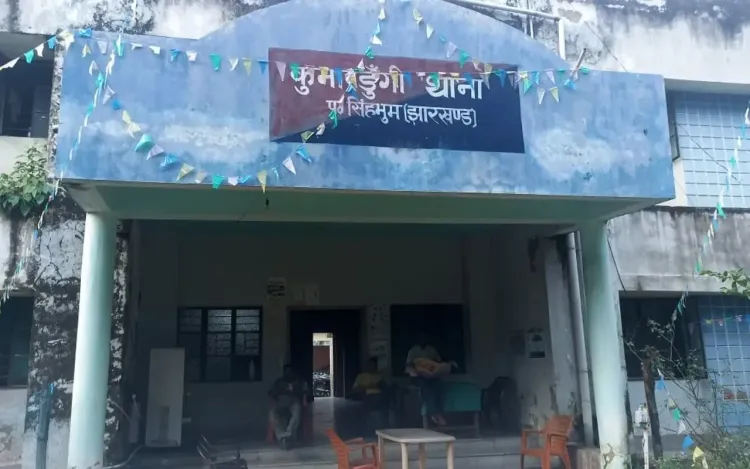
This brutal act took place late Tuesday night within the jurisdiction of the Kumardungi police station.
As per police reports, the suspects allegedly intruded into the family’s residence, doused the woman and her child with petrol, and ignited them. Both victims succumbed to their injuries immediately.
The woman’s husband suffered serious burn wounds while desperately trying to rescue them and has been taken to a nearby hospital, where he remains in critical condition.
Initial investigations indicate that the community had been rife with rumors for several days, associating the family with certain illnesses and other unfortunate events. The woman was wrongfully labeled a “witch” by several villagers, culminating in this horrific act.
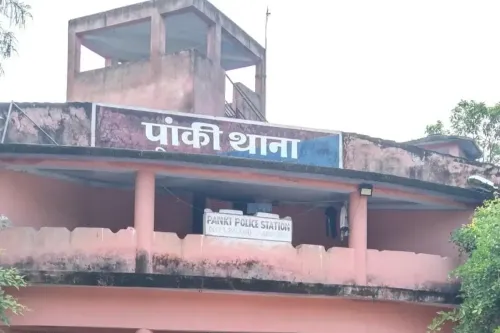
Authorities reported that approximately 12 villagers participated in planning this heinous crime. In a surprising turn of events, all 12 suspects surrendered at the Kumardungi police station on Wednesday morning. They have been taken into custody for questioning.
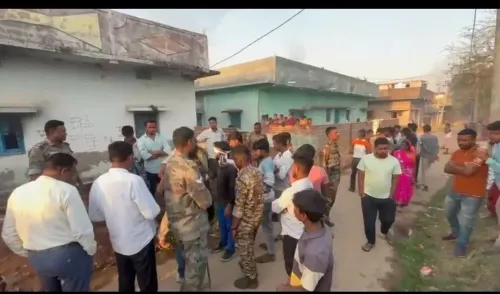
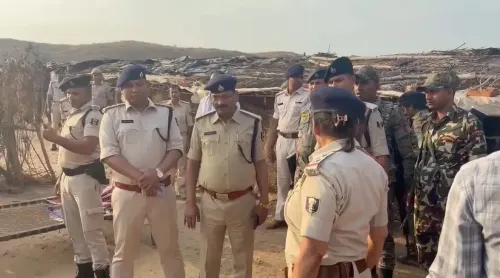
Senior police officials were dispatched to the scene to evaluate the situation, and additional law enforcement personnel have been deployed to the village to avert any further disturbances. A forensic team has also been assigned to gather evidence from the crime scene.
An FIR is being filed under pertinent sections related to murder, attempted murder, criminal conspiracy, and other serious charges.
Authorities stated that a comprehensive investigation is underway to clarify the exact events and identify any additional individuals involved.
This tragic incident underscores the ongoing threat of witch-hunting in certain rural areas, despite stringent legal measures against such practices.
Point of View
It is imperative to highlight the devastating consequences of superstition and the urgent need for awareness and education in rural communities. This tragic event is a reminder that despite legal frameworks prohibiting such acts, the menace of witch-hunting persists. We must advocate for justice and support victims' families while striving for a future free from such horrors.
NationPress
30 Sept 2026
Frequently Asked Questions
What happened in Jharkhand?
A mother and her minor son were burnt alive by villagers on suspicions of witchcraft.
Where did the incident occur?
The incident took place in West Singhbhum district of Jharkhand.
How many suspects have surrendered?
Twelve villagers have surrendered to the police.
What is the condition of the woman's husband?
He is in critical condition after trying to save his wife and son.
What actions are being taken by the authorities?
A detailed investigation is underway, and additional police forces have been deployed to prevent unrest.