MP HC Judge D.D. Bansal cycles 3 km to Jabalpur court, backs Modi's fuel-saving call
Synopsis
A sitting Madhya Pradesh High Court judge rode a bicycle to court in peak summer heat — security team pedalling alongside — in a direct endorsement of PM Modi's fuel-conservation appeal. On the same day, Energy Minister Pradyuman Singh Tomar swapped his official vehicle for an e-scooter in Bhopal, turning a public appeal into a rare moment of cross-institutional symbolism.
Key Takeaways
Bansal of the Madhya Pradesh High Court cycled 3 km from Civil Lines to the Jabalpur High Court on 12 May .
His security personnel also rode bicycles, replacing the standard official convoy and pilot vehicle escort.
Justice Bansal cited PM Narendra Modi's repeated appeal to reduce petrol and diesel consumption as his direct inspiration.
He noted a prior cycling outing within the city alongside Chief Justice Sanjeev Sachdeva of the MP High Court.
MP Energy Minister Pradyuman Singh Tomar also chose an e-scooter over an official vehicle while travelling to the state ministry in Bhopal on the same day.
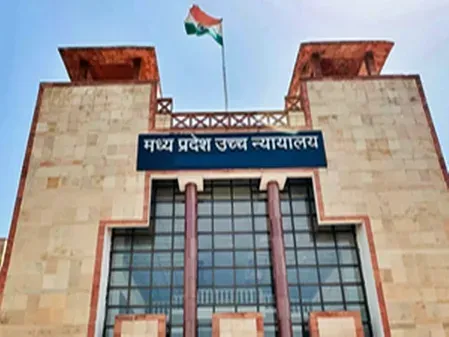
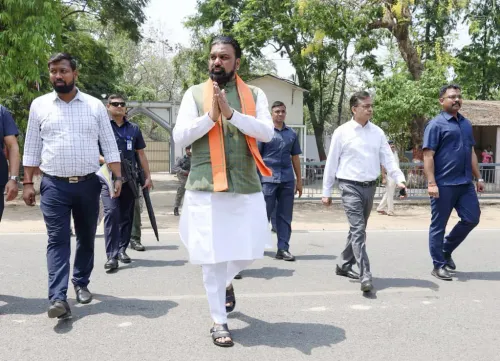
Madhya Pradesh High Court judge Justice D.D. Bansal rode a bicycle from his official residence in Civil Lines to the High Court in Jabalpur on Tuesday, 12 May, in a symbolic gesture backing Prime Minister Narendra Modi's appeal to citizens to reduce petrol and diesel consumption. Notably, his security personnel also accompanied him on bicycles, forgoing the usual official convoy and pilot vehicle.
The Unusual Morning Commute
Justice Bansal covered approximately three kilometres in the scorching summer heat — a striking departure from the standard protocol in which a pilot vehicle escorts a High Court judge's official car and traffic movement is regulated along the route. The sight drew wide attention among those who witnessed it on Tuesday morning in Jabalpur.
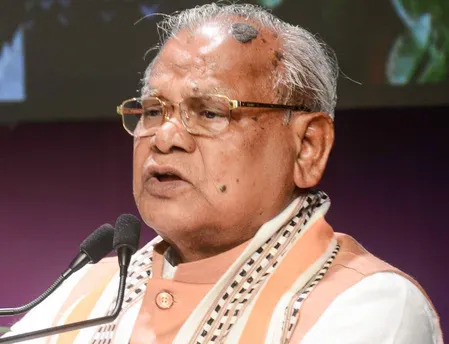
Speaking to reporters after arriving at court, Justice Bansal said he was directly inspired by the Prime Minister's repeated public appeal. "Prime Minister Narendra Modi has appealed to the public to reduce their consumption of petrol. Consequently, I decided to commute from my bungalow to the High Court on a bicycle," he said.
What Justice Bansal Said
Justice Bansal dismissed any suggestion that the commute was an inconvenience, noting that cycling has been a lifelong habit. "Cycling is nothing new to me. During my childhood, I used to cycle to school. Even now, I cycle regularly on Dumna Road. I have also cycled within the city with the Chief Justice of the Madhya Pradesh High Court, Justice Sanjeev Sachdeva," he added.
Rejecting the notion that judges cannot commute by bicycle, he remarked, "It is hot, so there may be some minor inconvenience, but cycling is beneficial. I experienced absolutely no discomfort while covering the distance from Civil Lines to the High Court."
Bhopal Echoes the Gesture
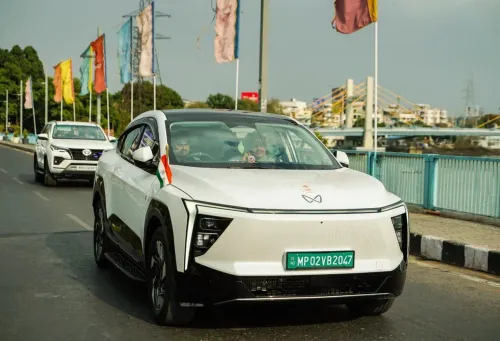
The same day in Bhopal, Madhya Pradesh Energy Minister Pradyuman Singh Tomar opted for an e-scooter instead of a large official vehicle while travelling to the state ministry — a parallel show of solidarity with the fuel-conservation appeal. The back-to-back gestures from a sitting judge and a cabinet minister on the same day lent the initiative unusual institutional weight.
Broader Significance
The gestures come at a time when large political convoys and VIP vehicle movements frequently attract public criticism over fuel wastage and the environmental cost of high-security motorcades. Prime Minister Modi has made repeated appeals to citizens to cut down on petrol and diesel use, framing fuel conservation as both an economic and environmental imperative. Tuesday's actions signal that the appeal is resonating beyond the general public and into the institutional establishment. Whether these symbolic acts translate into sustained behavioural change — or prompt formal policy shifts such as EV mandates for official fleets — remains to be seen.
Point of View
Which carries its own institutional optics. The gesture is symbolically powerful precisely because judges are among the last public officials expected to shed protocol. Yet symbolism has limits: India's VIP culture — with its convoys, fuel-heavy motorcades, and regulated traffic corridors — is structural, not individual. One bicycle ride and one e-scooter do not dismantle that system. The real question is whether these acts prompt formal policy: mandatory EV transitions for official fleets, smaller security footprints, or published fuel-consumption audits for government vehicles. Without that, Tuesday's images risk becoming viral moments rather than genuine inflection points.
NationPress
26 Sept 2026
Frequently Asked Questions
Why did Justice D.D. Bansal cycle to the Jabalpur High Court?
Justice Bansal cycled to court on 12 May as a symbolic gesture supporting Prime Minister Narendra Modi's public appeal to citizens to reduce petrol and diesel consumption. He covered approximately 3 km from his Civil Lines residence to the High Court, with his security team also riding bicycles in place of the usual official convoy.
Who is Justice D.D. Bansal?
Justice D.D. Bansal is a sitting judge of the Madhya Pradesh High Court based in Jabalpur. He has previously cycled within the city alongside Chief Justice Sanjeev Sachdeva of the MP High Court and says cycling has been a lifelong habit since his school days.
What did MP Energy Minister Pradyuman Singh Tomar do on the same day?
On 12 May, Madhya Pradesh Energy Minister Pradyuman Singh Tomar travelled to the state ministry in Bhopal on an e-scooter instead of a large official vehicle, echoing the fuel-conservation gesture made by Justice Bansal in Jabalpur.
What is PM Modi's fuel-saving appeal?
Prime Minister Narendra Modi has made repeated public appeals urging citizens to minimise their use of petrol and diesel, framing fuel conservation as both an economic necessity and an environmental responsibility.
Did Justice Bansal face any difficulty cycling in the summer heat?
Justice Bansal said he experienced no discomfort during the commute. While acknowledging that the heat could cause minor inconvenience, he said cycling is beneficial and that he faced no issues covering the Civil Lines to High Court route.