How Did MP Achieve a Remarkable Increase to 32 Cheetahs in Just Three Years?
Synopsis
Madhya Pradesh has successfully increased its cheetah population to 32 in just three years, a remarkable achievement celebrated on International Cheetah Day. This commitment to conservation and habitat protection reflects India’s dedication to safeguarding wildlife and restoring ecological balance.
Key Takeaways
Madhya Pradesh has achieved a cheetah population of 32 in three years.
International Cheetah Day promotes awareness and conservation.
The Cheetah Project aims to restore ecosystems for cheetahs.
Advanced tracking systems will enhance monitoring efforts.
Community involvement is crucial for long-term conservation.
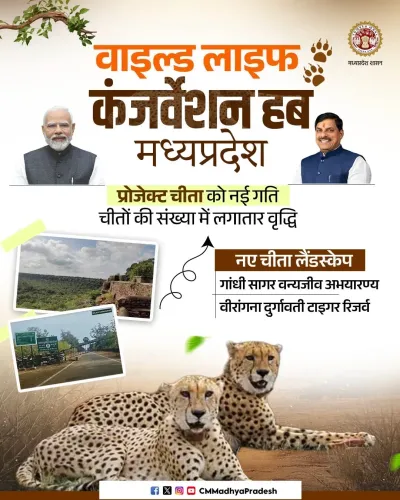
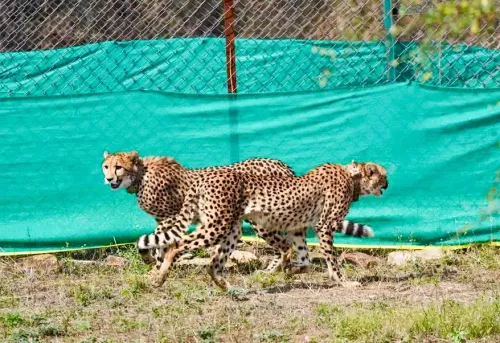
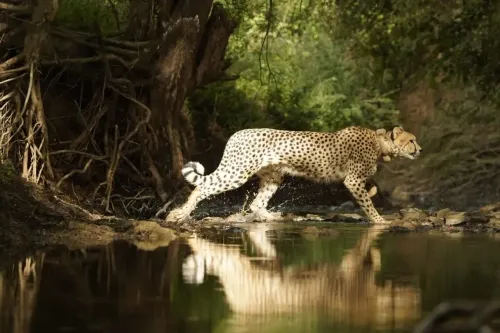
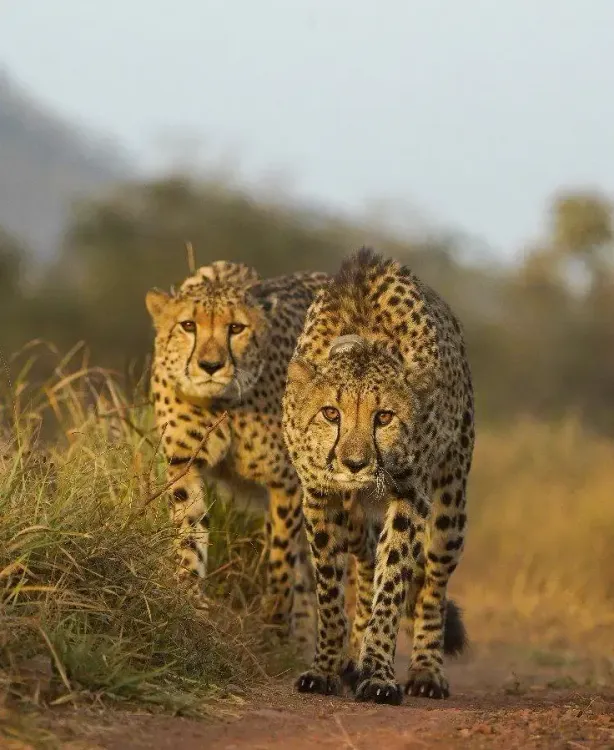
Bhopal, December 4 (NationPress) With a significant rise in the cheetah population to 32 over the past three years, Madhya Pradesh, India, marked International Cheetah Day with a renewed vow towards conservation, awareness, and habitat preservation for the world's fastest land animal.
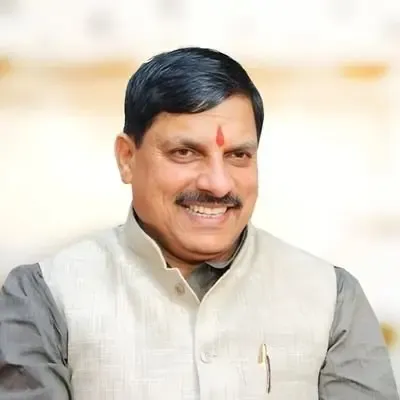
Madhya Pradesh's Chief Minister Dr. Mohan Yadav conveyed a message on X, extending congratulations to the public on this special day. He emphasized that the Cheetah Project, launched under the guidance of Prime Minister Narendra Modi, signifies a pivotal moment in India's wildlife conservation efforts.
The Chief Minister proudly announced that the cheetah population in Madhya Pradesh has reached 32, reiterating the state's dedication to safeguarding wildlife.
This day serves to bring attention to the global challenges that cheetahs face, including population decline, habitat destruction, and poaching, while fostering international collaboration to protect these magnificent creatures.
In Madhya Pradesh, continuous monitoring of cheetahs is underway, with plans to enhance these efforts through advanced radio tracking systems and specialized field teams.
These initiatives aim to ensure the safety and adaptability of the cheetah population living in their natural habitat.
Officials also confirmed that this year's International Cheetah Day celebrations will take place in the Parond Forest area of Kuno National Park, a recognized tourist zone. Authorities anticipate that the presence of cheetahs in this area will boost ecotourism and increase public interest in the Cheetah Project.
Prime Minister Modi commemorated the day with a message on X, sharing his wishes with wildlife enthusiasts and conservation advocates.
He stated that the Cheetah Project, initiated three years ago, was designed to safeguard the species and rejuvenate ecosystems conducive to their survival.
Furthermore, he expressed pride that several cheetahs in the nation were born on Indian soil, marking early success in the reintroduction program.
As India celebrates International Cheetah Day, conservationists stress that ongoing monitoring, community engagement, and habitat protection are vital for ensuring a sustainable future for the species.
Point of View
It is essential to recognize Madhya Pradesh's significant strides in wildlife conservation through the Cheetah Project. The increase in the cheetah population highlights the state's commitment to environmental stewardship and serves as a beacon of hope for global wildlife preservation efforts.
NationPress
30 Sept 2026
Frequently Asked Questions
What is the current cheetah population in Madhya Pradesh?
The current cheetah population in Madhya Pradesh has reached 32 .
What is the significance of International Cheetah Day?
International Cheetah Day aims to raise awareness about the challenges cheetahs face globally and promote conservation efforts.
Where will this year’s International Cheetah Day event be held?
The event will take place in the Parond Forest area of Kuno National Park.
Who initiated the Cheetah Project in India?
The Cheetah Project was initiated under the leadership of Prime Minister Narendra Modi.
What are the main threats to cheetah populations?
Main threats include population decline, habitat loss, and poaching.