MP rules out PPP model for state medical colleges amid Damoh row
Synopsis
A rare public split within the ruling BJP in Madhya Pradesh — with a sitting MLA directly pressuring the Chief Minister against privatising a ₹350 crore government medical college — has forced the state's Health Minister to issue an unusually explicit guarantee: no state-funded medical college will go the PPP route. The Damoh row signals how politically charged public health infrastructure has become ahead of future state polls.
Key Takeaways
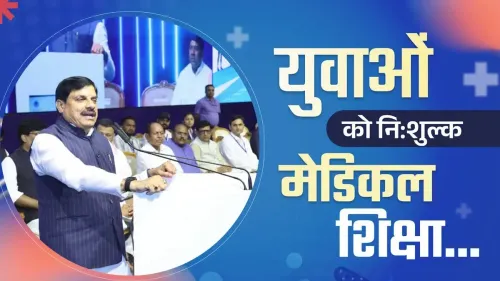
Madhya Pradesh Deputy CM Rajendra Shukla on 24 September 2026 ruled out the PPP model for any state-funded medical college.
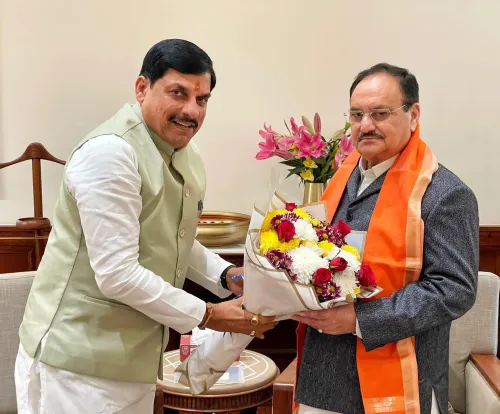
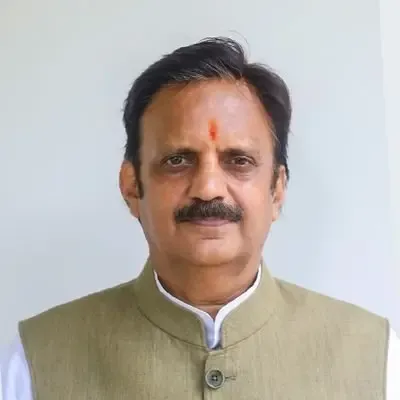
The clarification followed internal BJP opposition led by Damoh MLA Jayant Malaiya , who met CM Mohan Yadav over the issue.
The Damoh Medical College is nearly complete, with ₹350 crore already invested and tenders worth ₹45–46 crore for equipment finalised.
Malaiya warned a PPP arrangement could lead to exorbitant fees and costly treatment for residents of Damoh.
The college is part of MP's wider push to expand medical education in districts with limited access to specialised healthcare.
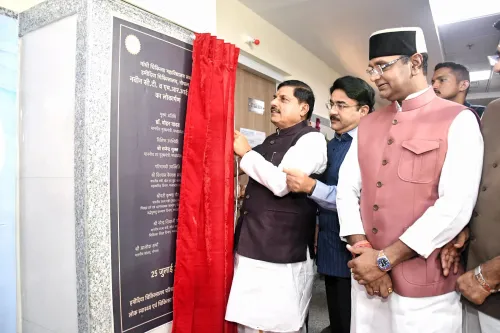
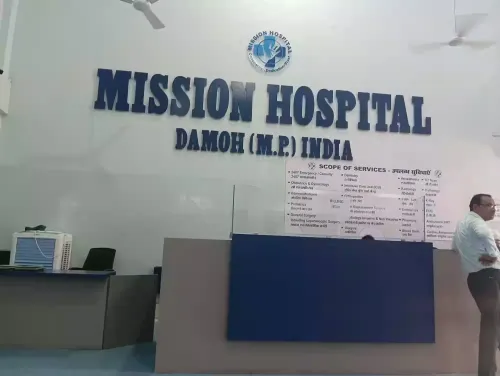
Madhya Pradesh Deputy Chief Minister Rajendra Shukla on Thursday, 24 September firmly ruled out transferring state-funded medical colleges to private entities under the Public-Private Partnership (PPP) model, as debate intensified over the proposed management of the newly established Damoh Medical College and Hospital.
The Government's Position
Shukla, who holds the Health and Medical Education portfolio, stated categorically that institutions built by the state government — or those currently under construction using state funds — would remain under full government operation and maintenance.
'Medical colleges constructed by the state government or those being constructed with state government funds will be operated and maintained by the state government. These medical colleges will not be given for operation under the PPP model,' he clarified.
BJP's Internal Opposition to the Damoh Proposal
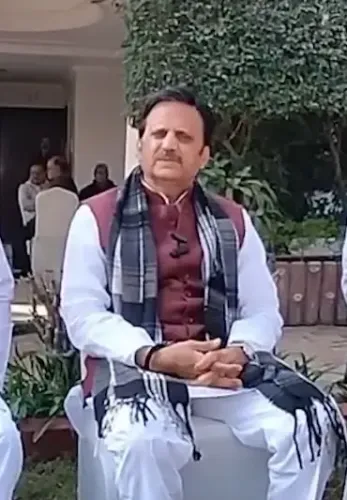
The deputy chief minister's statement came in direct response to opposition from within the ruling Bharatiya Janata Party (BJP) over a reported proposal to run the Damoh Medical College through the PPP route. Veteran BJP leader and Damoh MLA Jayant Malaiya said he recently met Chief Minister Mohan Yadav to press for government-led operation of the institution.
Malaiya pointed out that the Damoh Medical College was nearing completion, with ₹350 crore already spent, 30 acres of land secured, and tenders for equipment and furniture worth ₹45–46 crore already finalised. He questioned the rationale for private participation after such substantial public investment.
'Why should a college built with public funds become a hub for private profit? Why should the people of Damoh bear the burden of exorbitant fees and costly medical treatment?' Malaiya said.
Affordability and Access at Stake
Malaiya also raised concerns about whether a PPP arrangement could erode the affordability of both education and treatment at an institution created entirely from public resources. 'The Madhya Pradesh government must answer: in whose interest is the decision to hand over a government institution to private hands?' he asked.
The concerns are particularly pointed given that Damoh and surrounding areas currently have limited access to higher medical education and specialised healthcare — the very gap the college was designed to address.
Broader Context: MP's Medical College Expansion
The Damoh institution is part of Madhya Pradesh's wider drive to expand its medical college network across underserved districts. The state has been actively commissioning new government medical colleges to increase MBBS seats and improve specialist healthcare reach in smaller towns. The controversy highlights the ongoing tension between fiscal constraints that make PPP models attractive to governments and public expectations of affordable access at institutions built with taxpayer money.
With the Deputy Chief Minister's clarification now on record, the immediate question is whether the state will accelerate direct hiring and infrastructure commissioning at Damoh — or whether budgetary pressures will reopen the PPP debate in the months ahead.
Point of View
It signals that the PPP-in-healthcare narrative has become politically toxic at the grassroots. Shukla's blanket assurance is a political firebreak, but it leaves unanswered the harder question of how the state will fund ongoing operations at multiple new colleges without private capital. The deeper contradiction — building public institutions and then struggling to run them — will not be resolved by a press statement alone.
NationPress
24 Sept 2026
Frequently Asked Questions
What did Madhya Pradesh Deputy CM Rajendra Shukla say about the PPP model for medical colleges?
Shukla categorically stated that medical colleges built or being built with state government funds will be operated and maintained by the state government and will not be handed over under the PPP model. His clarification came amid a dispute over the proposed management of the Damoh Medical College.
Why is the Damoh Medical College at the centre of this controversy?
The Damoh Medical College, nearly complete with ₹350 crore already spent and ₹45–46 crore in equipment tenders finalised, was reportedly being considered for PPP-based operation. BJP MLA Jayant Malaiya opposed this, arguing that a publicly funded institution should not be run for private profit.
Who is Jayant Malaiya and what did he demand?
Jayant Malaiya is a veteran BJP leader and the sitting MLA from Damoh. He met Chief Minister Mohan Yadav to request that the state government directly operate the Damoh Medical College rather than hand it over to a private entity, citing concerns over fee affordability and access for local residents.
How does this controversy affect patients and students in Damoh?
If the college had gone the PPP route, critics argued it could have led to higher fees and costlier medical treatment for residents of Damoh and surrounding areas — districts where access to specialised healthcare and higher medical education is already limited. The government's ruling out of PPP addresses those affordability concerns, at least for now.
What is Madhya Pradesh's broader plan for medical college expansion?
The state has been commissioning new government medical colleges across underserved districts to increase MBBS seats and improve specialist healthcare reach. The Damoh institution is one such project, and the PPP row has highlighted the challenges of sustaining government-run healthcare infrastructure at scale.