MSRTC scraps 15% Diwali fare hike, relief for Maharashtra bus commuters
Synopsis
Maharashtra's MSRTC had a tradition of hiking bus fares 15% every Diwali — this year, Transport Minister Pratap Sarnaik broke it. Citing drought-hit farmers and inflation-strained households, he rejected the 1–15 November surcharge, marking the second festive rollback this year after a 30% Ganeshotsav hike was also withdrawn. Millions of rural commuters travelling home for Diwali will now pay standard fares — but MSRTC's financial gap stays wide open.
Key Takeaways
MSRTC officially withdrew its proposal for a 15 per cent seasonal fare hike on 15 October 2026 .
The hike was proposed for 1 to 15 November 2026 , covering the peak Diwali travel period.
Transport Minister Pratap Sarnaik rejected it, citing inflation, drought-affected farmers, and the financial burden on ordinary citizens.
MSRTC had already implemented a 13.56 per cent fare hike in July 2026 to address rising operational costs.
A 30 per cent Ganeshotsav surcharge was also rolled back earlier this year after commuter opposition, especially from the Konkan region.
The corporation's financial deficit remains unresolved; the Minister called for alternative solutions that do not burden passengers.
The Maharashtra State Road Transport Corporation (MSRTC) on Thursday, 15 October 2026, officially withdrew its proposal to impose a 15 per cent seasonal fare hike on bus tickets ahead of the Diwali festive season, providing direct relief to millions of commuters across Maharashtra. Transport Minister and MSRTC Chairman Pratap Sarnaik personally rejected the proposal, citing the financial hardship already facing ordinary citizens, drought-hit farmers, and inflation-burdened households.
What Was Proposed and Why It Was Rejected
The MSRTC had submitted a proposal to implement the 15 per cent fare increase between 1 November and 15 November 2026 — covering the peak Diwali travel window — as part of a traditional practice to offset rising operational costs during festive rushes. Minister Sarnaik rejected it outright, questioning the rationale of adding to the public's financial burden at a time of widespread economic stress.
'The common citizen, struggling with inflation and farming families dealing with drought conditions, are already enduring immense financial pressure. Why should an additional burden of a fare hike be placed on them at this time?' Sarnaik said.
Who Benefits and Why MSRTC's 'Laalpari' Matters
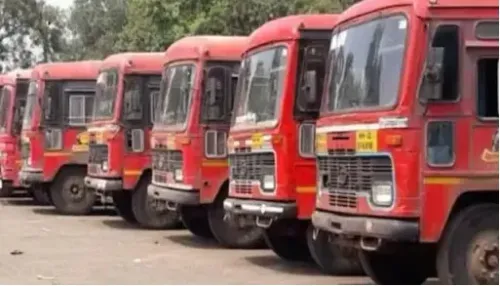
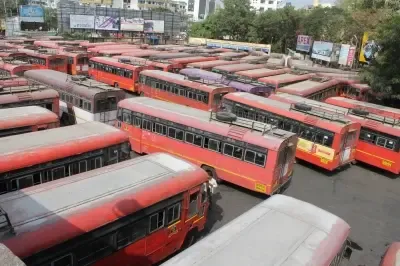
The MSRTC's iconic red buses — popularly known as 'Laalpari' — are the primary mode of transport for rural Maharashtra, serving farmers, daily wagers, students, office workers, and senior citizens across districts with limited connectivity. For many, these buses are not a convenience but a necessity. A fare hike during Diwali — when families travel long distances to reunite — would have disproportionately impacted lower-income travellers.
'A festive price hike would have added heavily to the daily expenses of commuters already grappling with high living costs. The state government is sensitive. In times of crisis, it will not leave farmers and the general public high and dry,' the Minister said.
MSRTC's Financial Pressures Remain Unresolved
The decision to roll back the fare hike does not erase the corporation's underlying financial difficulties. The MSRTC had already implemented a 13.56 per cent fare hike in July 2026 to address rising operational expenses. A proposed 30 per cent additional surcharge during the Ganeshotsav festival earlier this year was also withdrawn following strong opposition from commuters, particularly those from the Konkan region.
Minister Sarnaik acknowledged MSRTC must find alternative solutions to its financial deficit. 'Alternative measures must be found to overcome the financial difficulties of the State Transport Corporation. Providing safe, reliable, and affordable transport services from remote villages to cities is the fundamental duty of the corporation. Therefore, instead of placing the burden of financial losses directly on the passengers, there is a need to find solutions through other means,' he said.
What the Minister Said About Priorities
'During times of crisis, wiping tears from the eyes of the people is far more important than reaching into their pockets. We will find alternative ways to overcome the financial troubles of the State Transport Corporation; however, we will not forget our duty to provide relief to the people in distress,' Sarnaik said.
He emphasised that while financial logistics are important, it is equally necessary to consider the day-to-day survival struggles of the public.
What Happens Next
With the hike scrapped, passengers travelling home for Diwali this year will pay standard fares. However, the MSRTC's longer-term financial sustainability remains an open question — the corporation will need to identify credible alternatives to seasonal surcharges to cover operational costs without repeatedly burdening riders. How it balances fiscal viability with public welfare in the months ahead will be closely watched.
Point of View
Yet has no credible alternative revenue plan. MSRTC's July 2026 fare increase of 13.56 per cent was absorbed with minimal public pushback; it is the optics of a Diwali surcharge — a holiday framing — that triggers resistance. Until the corporation finds a sustainable funding model, it will keep swinging between fiscal necessity and populist rollbacks, with the balance sheet taking the hit each time.
NationPress
16 Oct 2026
Frequently Asked Questions
What fare hike did MSRTC propose for Diwali 2026?
MSRTC had proposed a 15 per cent seasonal increase in bus fares between 1 and 15 November 2026, covering the peak Diwali travel window. This was a routine practice the corporation had followed during major festive periods to offset higher operational costs.
Why was the MSRTC Diwali fare hike cancelled?
Transport Minister and MSRTC Chairman Pratap Sarnaik rejected the proposal on 15 October 2026, citing the financial stress already facing common citizens, inflation-hit households, and drought-affected farmers. He said the state government had a responsibility to provide relief rather than add to public burdens during difficult times.
Has MSRTC raised fares at all in 2026?
Yes. MSRTC implemented a 13.56 per cent fare hike in July 2026 to address rising operational expenses. A separate 30 per cent surcharge proposed during Ganeshotsav was also rolled back following strong opposition, particularly from commuters in the Konkan region.
Who are most affected by MSRTC fare changes?
MSRTC's 'Laalpari' buses are the primary mode of transport for rural Maharashtra, serving farmers, daily wage workers, students, office-goers, and senior citizens. Any fare hike during Diwali would have disproportionately impacted lower-income travellers making long-distance festive journeys.
What will MSRTC do to address its financial deficit if not through fare hikes?
Minister Sarnaik acknowledged the corporation's financial difficulties remain unresolved and called for alternative solutions that do not place the burden on passengers. However, specific alternative measures have not yet been announced publicly.